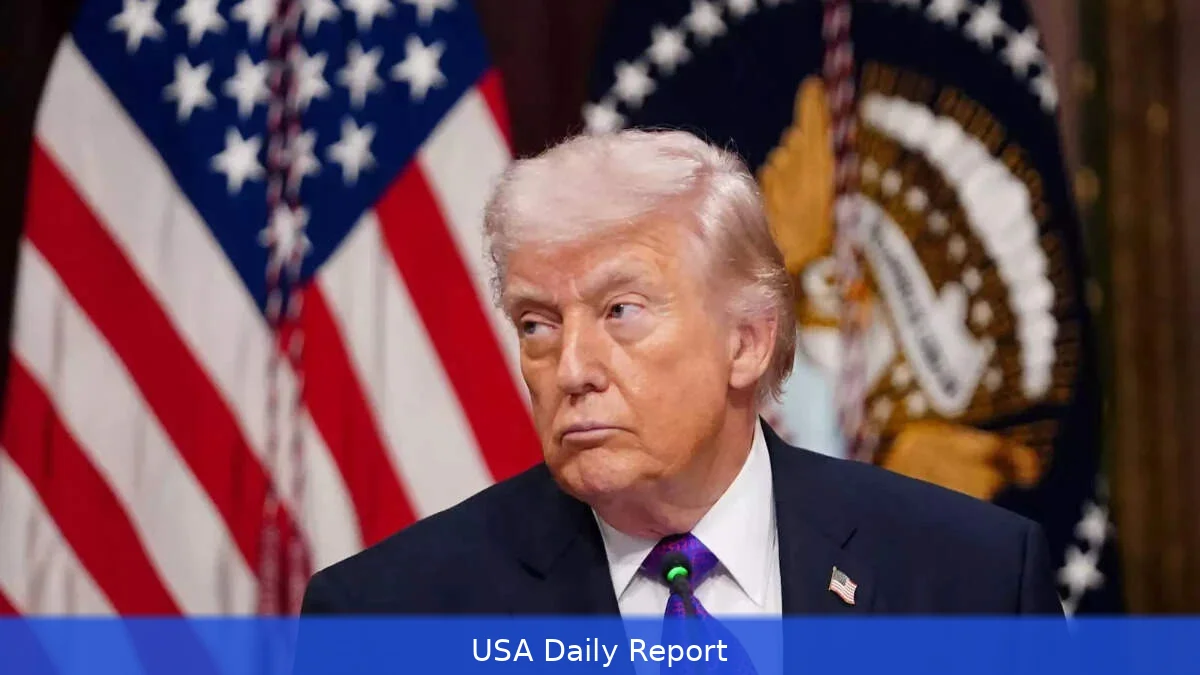
For years, Iran scoffed at President Trump’s threats, branding them as TACO — Trump Always Chickens Out. That’s no longer the case. His recent actions have altered the risk calculations in Tehran and sent ripples through global finance.
From Empty Threats to Military Strikes
Trump’s presidency was long viewed as all talk and no action, especially when it came to Iran. The TACO label stuck because of repeated threats that never materialized. In economic terms, he floated massive tariffs on everything from European alcohol to foreign films, only to back down repeatedly. Diplomatically, his warnings to groups like Hamas felt like rhetoric without teeth.
But that narrative began to crack in June when Trump authorized direct military strikes on Iran’s nuclear sites in Fordow, Natanz, and Isfahan. This wasn’t symbolic or indirect—it marked a sharp break from previous administrations who avoided crossing into Iranian territory.
Then came a stunning operation outside the Middle East. U.S. Forces captured Venezuelan leader Nicolás Maduro and swiftly moved him to New York for trial. This bold move sent a clear message: when Trump says he will act, he does.
Markets and the Middle East: Calculating New Risks
Iran’s leadership can no longer dismiss Trump’s threats as empty. The June strikes and the Maduro arrest have reshaped Tehran's perception of American resolve.
The question now is whether Trump’s unpredictability means more aggressive moves ahead or a return to cautious diplomacy.
For investors and global markets, this uncertainty weighs heavily. This Middle East is already a volatile region affecting oil prices and supply chains. Any escalation risks disrupting energy markets further, driving prices up and rattling global economies struggling with inflation and slow growth.
Trump’s earlier tariff wars slowed U.S. Economic growth to an estimated 1.4% this year, down from 2.8% last year, partly due to trade uncertainties. Now, geopolitical tensions add another layer of complexity to an already fragile economic outlook.
The Domestic Angle: Trump’s Presidency on the Line
Domestic politics also play a role. Before the Iran strike, Trump’s approval ratings were slipping. Polls showed 42% of Americans approved of his job performance, while 54% disapproved. Economic woes and immigration policies, including the deportation of hundreds of thousands of legal immigrants, dampened support.
Trump’s critics had long portrayed him as a wavering leader, prone to backing down on his own promises. The TACO label was a jab at his inconsistent tariff threats and mixed messages on foreign policy. His visible frustration when confronted with the term showed it hit a nerve.
But by taking decisive military action against Iran’s nuclear facilities and orchestrating the Maduro capture, Trump appears to be shedding the indecisive image. That could bolster his political standing if these moves are seen as strong leadership rather than reckless gambles.
Unpredictability: A Double-Edged Sword
Still, Trump’s unpredictability keeps everyone guessing. His first term featured a mix of aggressive sanctions and sudden military decisions, like the killing of Iranian General Qasem Soleimani in 2020. That move was risky but calculated, responding to attacks on U.S. Personnel and embassy threats.
Yet, Trump quickly stepped back after Iran retaliated with missile strikes that wounded American soldiers but caused no deaths. The pattern suggested a willingness to use force but a limit to escalation.
This makes it hard to forecast what comes next. Will Trump continue to press Iran militarily, or will he pivot back to negotiations? His recent actions suggest a tougher stance, but history warns of sudden reversals.
The markets and global leaders are watching closely. Western democracies largely agree that Iran's nuclear ambitions pose a threat, especially to Israel.
The G7 recently reaffirmed this stance, aligning with Trump’s hard line. But the price of confrontation could be high, both in human terms and economic fallout.
Iran’s leaders must now wrestle with a new reality: Trump’s threats can no longer be dismissed as empty. For investors and governments alike, that raises the stakes—and the questions—about what comes next.


