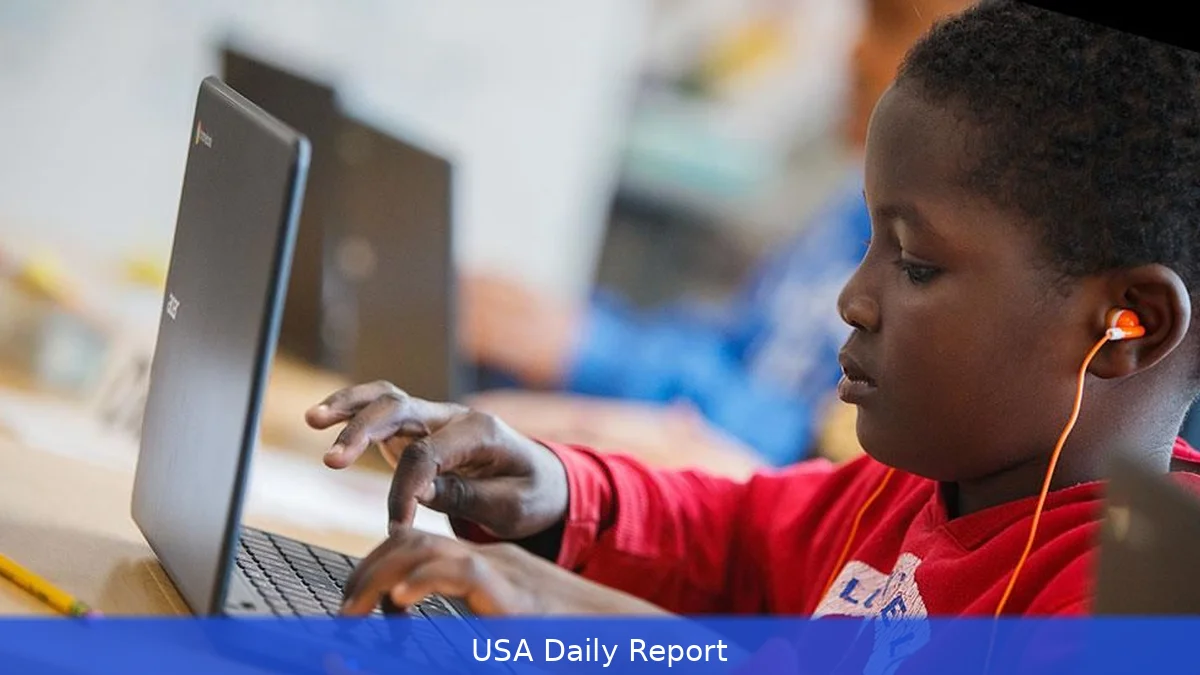
Schools across the U.S. Are facing a surprising challenge: students and parents aren't just frustrated with their phones — they're turning their ire on Chromebooks, the devices that have become staples in classrooms. The tech backlash is stretching beyond the smartphone realm, threatening how schools integrate technology into learning.
Chromebooks Under Fire in Classrooms
Chromebooks were once hailed as the affordable, easy-to-manage solution for schools trying to keep up with digital learning demands. They promised quick access to educational resources, cloud-based apps, and simple administration. But lately, many school districts are hearing a different story from students and parents.
Complaints range from sluggish performance and limited functionality to software restrictions that hamper creativity and learning. Some users say the devices feel more like a burden than a tool, especially compared to personal laptops or tablets. The frustration isn't just about the devices themselves — it's about how they shape the learning experience.
Administrators face tough questions. Are Chromebooks delivering the value they promised? Are schools investing in technology that truly supports student success? The answers aren't straightforward.
Financial Strain Amid Rising Costs
School budgets are tight, and tech spending often competes with other priorities. Chromebooks seemed like a cost-effective choice initially, but hidden costs have piled up. Repairs, replacements, and software licensing fees add up. Plus, training teachers to use these devices effectively demands time and money.
Some districts have had to rethink their tech plans midstream, diverting funds from other programs or delaying upgrades. The result: a financial strain that stretches far beyond the initial purchase price. For cash-strapped schools, this means tough decisions about where to allocate resources.
Parents also feel the pinch. Families sometimes end up buying additional devices or accessories to supplement what schools provide. That extra cost hits low-income households hardest, deepening the digital divide these devices were supposed to bridge.
Lessons from the Phone Backlash
The tech backlash at schools echoes the frustrations seen with smartphones, where issues like privacy, distraction, and equity sparked debates. Phones became lightning rods for broader concerns about technology’s role in education and youth culture.
Chromebooks may not have the same social cachet as phones, but they're now caught in a similar storm. The devices represent more than just tools — they symbolize how technology policy impacts students daily. When devices underperform or frustrate users, the fallout can be intense.
Schools must balance the need for digital access with the realities of hardware limitations and user experience. The lesson?
Technology adoption isn't just about buying devices but understanding how they fit into educational goals and community needs.
Looking Ahead: Rethinking School Tech Investments
Some districts are exploring alternatives—investing in higher-end laptops, tablets, or even hybrid models that offer more flexibility. Others are doubling down on software solutions to get more from existing hardware.
There’s also growing pressure on vendors to improve device quality and support. Schools want durable, fast, and user-friendly tools that justify their budgets. Deals that include comprehensive service plans or trade-in options are becoming more attractive.
At the same time, educators and policymakers are questioning whether digital devices should dominate the classroom or if a more balanced approach—including traditional teaching methods—serves students better.
The Chromebook controversy shows that technology in education isn't just a financial issue — it's a challenge of expectations and experience. As schools wrestle with these devices, the debate over how best to prepare students for a digital world is far from over.


