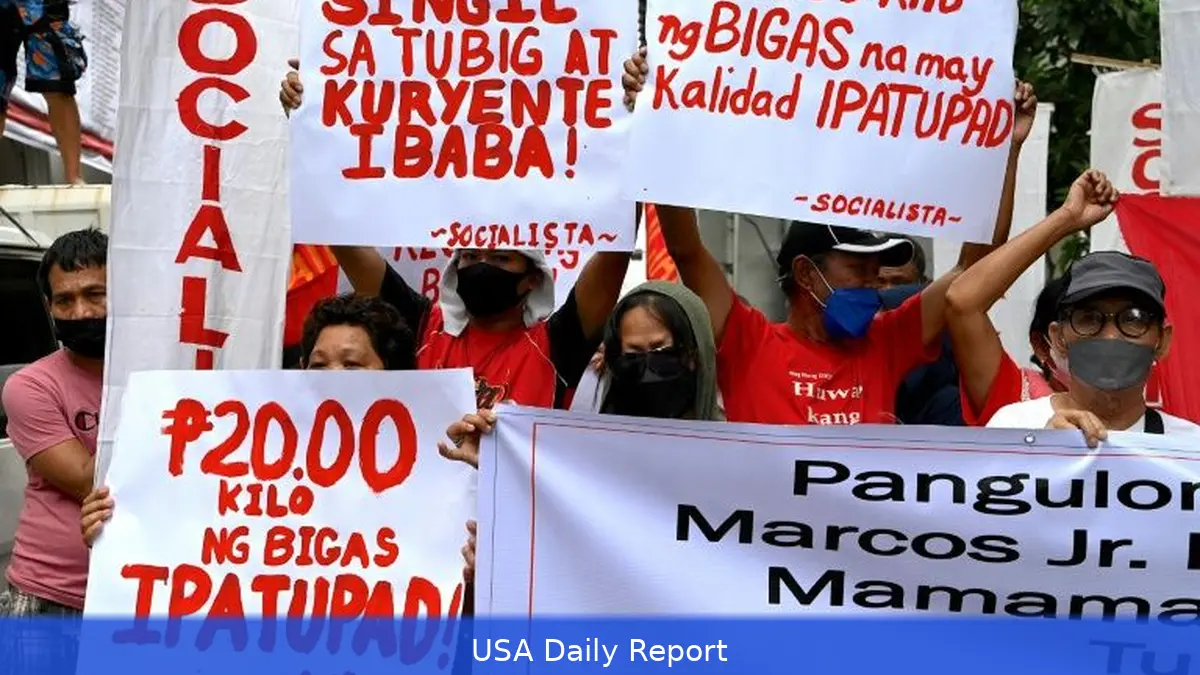
The Philippines put a temporary 30-day price cap on rice because fuel prices are rising, largely due to conflicts in the Middle East that are disrupting oil supplies worldwide. The move aims to shield consumers from inflationary pressures hitting the nation’s staple food and energy sectors.
Fuel Price Surge Hits Philippine Economy
Fuel prices across Asia have spiked sharply since the U.S. And Israel launched attacks on Iran’s energy infrastructure at the end of February. The Strait of Hormuz, a vital passage for global oil shipments, remains effectively closed, tightening energy supplies and sending prices soaring. The Philippines, which depends heavily on imported oil, has felt the squeeze profoundly.
President Ferdinand Marcos’s administration responded by ordering government agencies to reduce fuel and electricity use by 10 to 20 percent. Public workers shifted to a four-day workweek to cut energy demand. Yet, these measures alone weren’t enough to calm rising costs.
Rice Price Cap to Protect Consumers
Rice being a dietary cornerstone in the Philippines, soaring fuel prices have pushed transportation and production costs up, threatening to drive inflation in this key food staple. To prevent a price surge that could hit millions of households, the government imposed a 30-day ceiling on rice prices.
The government sees this price cap as a short-term fix to help with inflation while it looks for longer-term answers. Police have also warned against hoarding, as panic buying at fuel stations caused long lines and supply fears.
Regional Energy Moves Mirror Philippine Actions
Across Asia, countries are scrambling to safeguard their economies from energy supply shocks.
South Korea put a fuel price cap in place for the first time in nearly 30 years and is boosting coal and nuclear power generation to offset oil shortages. Vietnam cut import taxes on petroleum products to zero, aiming to stabilize its domestic fuel market.
Japan released strategic oil reserves equivalent to around 45 days of supply and asked Australia to increase liquefied natural gas exports. China banned refined fuel exports to prevent domestic shortages. India, meanwhile, has ramped up imports of Russian oil, helped by a temporary U.S.
Waiver, and is managing one of its worst gas crises in decades.
These different strategies highlight just how much the region still relies on oil shipments from the Gulf. Many countries are trying to stretch reserves, diversify energy sources, and shield consumers from high costs.
Why the Philippines Faces a Unique Challenge
While other countries have strategic reserves or alternative suppliers, the Philippines relies heavily on imports for both fuel and rice. Rice production costs rise directly with fuel prices, affecting everything from planting to transport. The government’s decision to cap rice prices reflects the urgency of protecting food security amid energy turmoil.
Still, the price cap is a temporary fix. Analysts warn that if fuel prices stay elevated, inflation could worsen, squeezing household budgets and slowing economic growth. The country faces the challenge of balancing energy affordability with supply stability.
Beyond immediate relief, there’s growing pressure for the Philippines to accelerate energy diversification and boost domestic food production to reduce vulnerability to global shocks. Policymakers may need to consider expanding renewable energy investments and strengthening strategic reserves over the longer term.
Right now, the Philippines’ 30-day rice price cap is a temporary measure amid a rapidly shifting energy situation. How the country adapts to persistent fuel price pressures will be critical for economic stability and consumer welfare in the months ahead.


