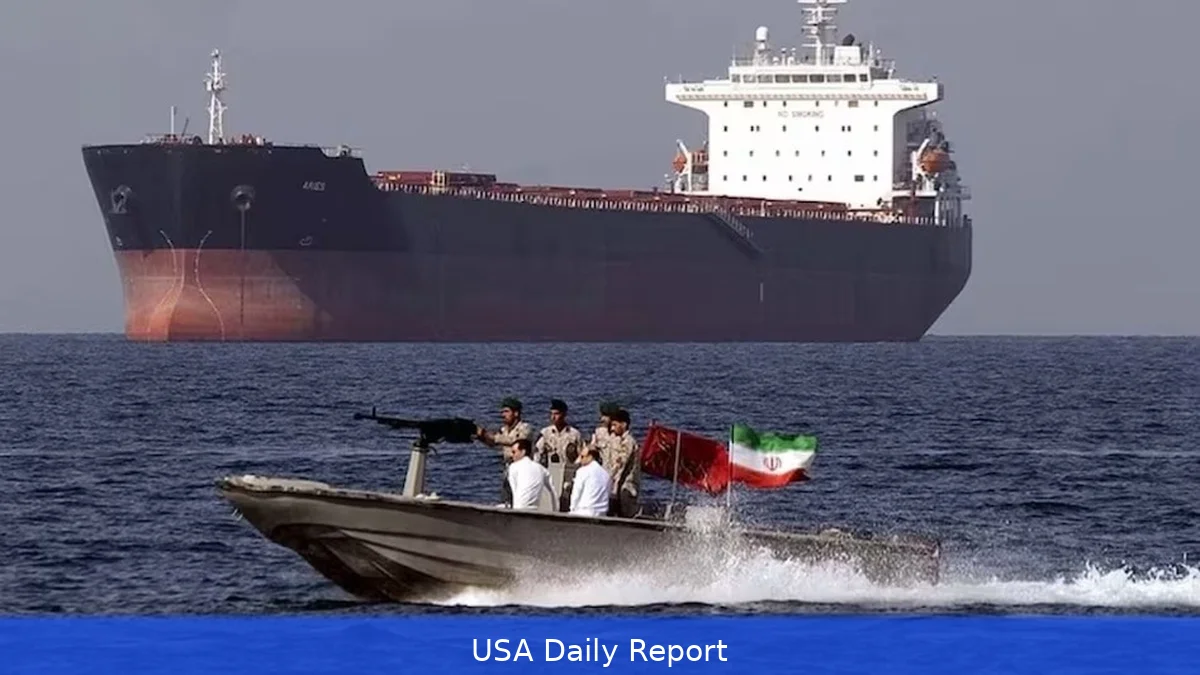
Oil prices have gone up lately, mostly because traders are worried about possible supply problems rather than actual ones. The Strait of Hormuz remains a flashpoint, with threats from the U.S. Raising stakes in global energy markets.
Fear Fuels Volatility in Oil Prices
Oil prices have climbed sharply in recent days amid rising tensions in the Middle East, particularly around the Strait of Hormuz, a critical chokepoint for global oil shipments. But the jump in prices is largely a reaction to risk sentiment rather than confirmed supply hiccups, according to former White House energy advisor Christof Ruehl.
Ruehl points out that despite heightened geopolitical tensions, oil inventories remain strong and supply sources are diversified enough to prevent immediate shortages. Investors are betting on the chance of disruptions instead of real outages, which is why prices are volatile even though supplies haven't dropped.
Threats Against Iran’s Energy Infrastructure
The situation escalated when former U.S. President Donald Trump threatened to "obliterate" key Iranian power plants if Tehran didn't reopen the Strait of Hormuz within 48 hours. The Strait is vital—it handles about a third of the world's seaborne oil trade. Any disruption there could ripple across global energy markets, pushing prices higher and rattling economies heavily dependent on oil imports.
Trump’s warning targeted Iran’s power infrastructure broadly, though he didn’t specify which plants. Analysts note Iran operates hundreds of power plants, including major thermal plants such as Damavand near Tehran and the nuclear Bushehr facility.
Striking these could cripple Iran’s industrial base and electricity supply, potentially provoking wider regional conflict.
Kharg Island, a key hub for Iran’s crude exports, has been spared in past U.S. Strikes, but Trump’s recent statements suggest that could change if tensions worsen. The threat of hitting energy sites has made people nervous, making the market more jumpy.
Global Markets Brace for Impact
While no major disruptions have materialized yet, the threat of action weighs heavily on traders. Oil futures have reacted to the risk premium, pushing prices up even as physical flows remain steady. That dynamic highlights a market priced for risk rather than confirmed disruption.
Investors and policymakers are watching closely. Any sustained closure or conflict around the Strait of Hormuz could choke off roughly 20% of global oil supply, triggering a sharp supply shock. But for now, inventories and alternative supply routes are cushioning the blow.
Still, experts warn that targeted attacks on power plants or oil facilities in Iran could escalate tensions quickly. The resulting uncertainty would likely keep prices volatile and could lead to sharper price jumps if regional retaliation or further closures occur.
Markets Eye Broader Risks Amid Shifting Narratives
Beyond the Middle East, other sectors are also feeling the heat from geopolitical and technological uncertainty. For example, in the tech space, some major firms have lowered stock price targets in response to shifting risk assessments, reflecting cautious investor sentiment amid evolving opportunities and threats.
This cautious mood reflects the wider market feeling—investors are weighing risks even if the facts don’t back big price swings. It’s a sign markets are sensitive to headlines and threats, especially when they involve critical energy infrastructure and global supply chains.
Right now, oil markets are tense, mostly because of fear rather than actual events. Whether that anxiety translates into real disruption will depend on how the situation around the Strait of Hormuz unfolds in the coming days.


