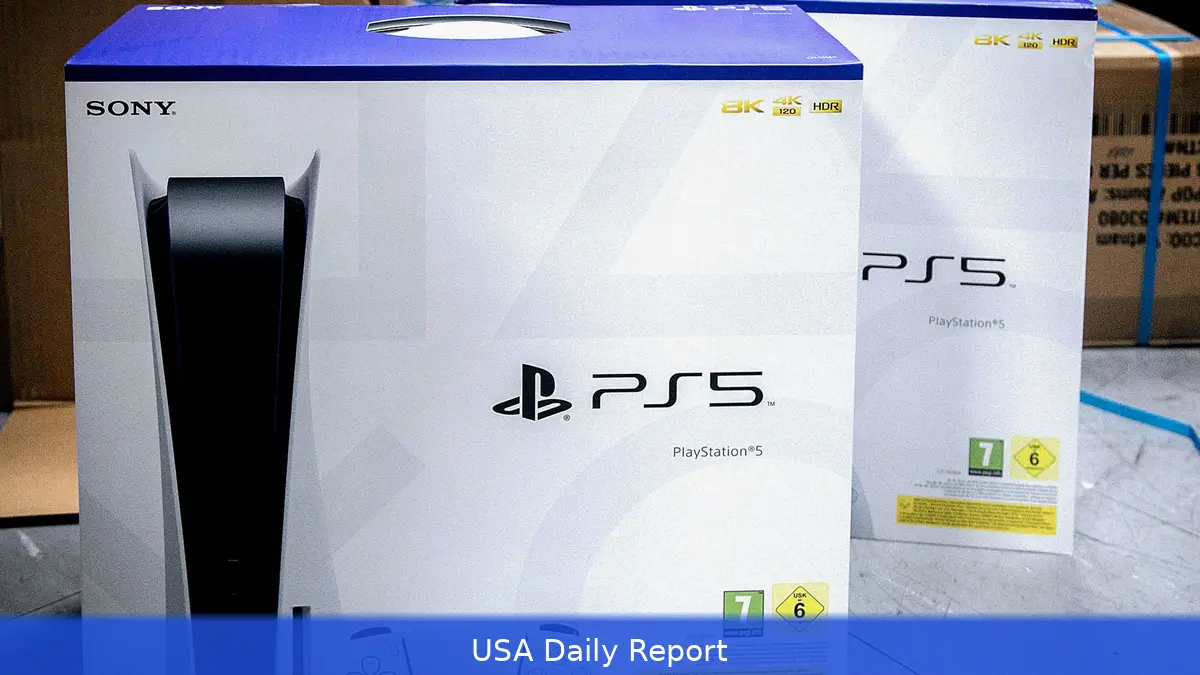
Sony is hiking the price of its PlayStation 5 consoles again — this time by as much as $150 in the U.S. The move marks the second price jump within a year, as ongoing economic pressures and supply chain disruptions squeeze production costs.
Price Hikes Across the Board
Starting April 2, the standard PlayStation 5 will cost $649.99 in the U.S., up $100 from before. The digital-only edition, which doesn’t include a disc drive, is also rising by $100 to $599.99. Meanwhile, Sony’s PS5 Pro will carry a heftier $150 increase, jumping to $899.99. Even the PlayStation Portal, a remote player device, is seeing a $50 bump to $249.99.
These price changes aren’t just happening in the U.S. Sony confirmed similar increases will impact markets in Europe, the U.K., and Japan. It’s a global shift prompted by "continued pressures in the global economic landscape," according to a statement on the company’s official blog.
Supply Chain Struggles and Rising Costs
Thing is, these hikes come against a backdrop of worsening supply chain headaches. Trade tensions and tariffs imposed by the U.S. Have disrupted global manufacturing and logistics. The war in Iran, now entering its fifth week, has also played a role — particularly after Iran attacked Qatar’s natural gas export facility.
Qatar is a major supplier of helium, a seemingly obscure but critical component for semiconductor manufacturing. The shutdown of the gas facility cut helium exports by about 14%.
Since helium is vital for producing computer chips, this shortage is pushing up prices for semiconductors, which power everything from gaming consoles to smartphones.
Memory components like RAM have also surged in price. That’s partly due to skyrocketing demand from artificial intelligence data centers, which require massive amounts of memory to operate. Sony executives acknowledged these rising costs during a February earnings call, saying they secured just enough supply to cover the key selling season.
Impact on Gamers and the Market
By the end of next week, the average price for a PS5 in the U.S. Will be nearly 30% higher than it was a year ago. That’s a steep climb for a console celebrated for its value and performance since its launch.
Still, Sony insists the increases are necessary to keep delivering "innovative, high-quality gaming experiences." The company’s profits tell a complex story: despite rising costs, Sony reported a quarterly profit surge of 11% in its October-December period, totaling about $2.4 billion. That prompted a boost in its full-year profit forecast to $7.2 billion.
Competitors are also feeling the heat. Microsoft raised prices on some Xbox models last September, even before the Iran conflict escalated, citing shifts in the broader economic environment.
What This Means Going Forward
Gamers might have to pay more for their consoles, but the bigger issue is fragile supply chains and geopolitical tensions pushing up costs for tech companies. The helium shortage, in particular, could linger if the war drags on, further squeezing chip production worldwide.
At the same time, demand for gaming remains strong. The average American spends about 12 hours a week playing video games, and consoles like the PS5 are at the heart of that experience. Sony’s 30th anniversary of the PlayStation brand in North America and Europe last year reaffirmed its place in gaming culture, even as prices climb.
Sony’s price increase shows more than just their strategy — it highlights how global events affect industries relying on complex supply chains and rare materials. It's unclear if gamers will accept the higher prices or hold off until the market settles.


