
Buying a home in the US often feels like a relay race, with many steps you have to complete before getting the keys. This chain is called the property chain. But sometimes, sellers pull out last minute or better offers come in, leaving buyers stuck or out of luck. Knowing how the property chain works in 2026 can help you avoid those headaches and move forward with confidence.
What Is the US Property Chain?
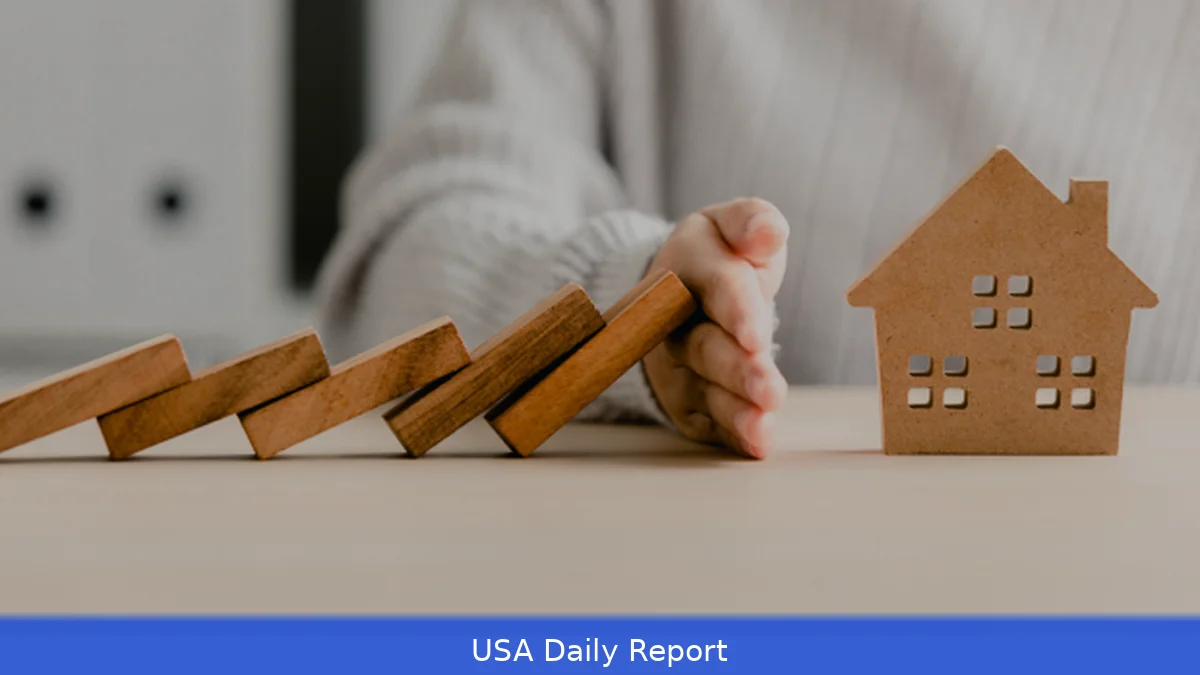
Think of the property chain as a line of dominoes—each buyer or seller depends on the next move. When you buy a house, you often need to sell your current home first. So, your purchase depends on your sale, which depends on someone else’s purchase, and so on. This chain can be short or long, but every link matters — if one link breaks, the whole chain can collapse.
Think of it as a series of connected deals. If one deal breaks, everyone down the line feels the impact. For example, if the person selling to you suddenly pulls out, you may not be able to buy your new home. Or if the buyer of your current home backs out, your sale might fail, stopping your purchase. Knowing how this chain works can help you avoid surprises like gazumping, which happens when a seller takes a better offer after agreeing to sell to you.
In the US, property chains aren’t usually as long or tight as in other countries, but they still matter, especially in hot markets and busy times. The chain also changes depending on whether buyers are paying cash or need to sell first. As home prices rise and mortgage rates change in 2026, more buyers get caught in chains, so it’s important to understand the risks.
Key Facts and Figures for 2026
- The average US home price in early 2026 is around $395,000, according to recent market data, up from about $375,000 in 2025.
- The typical closing timeline ranges from 30 to 60 days, depending on factors like mortgage financing, home inspections, and local regulations.
- About 20% of home sales in 2026 involve buyers who also need to sell a property first, creating a chain of linked transactions.
- Gazumping, while more common in the UK, can happen in the US mostly through last-minute better offers or contract changes before closing.
- In 2026, mortgage interest rates fluctuate between 6.5% and 7.2% for a 30-year fixed loan, affecting buyers’ purchasing power and timelines.
- Closing costs average between 2% to 5% of the home price, meaning buyers on a $395,000 home could pay $7,900 to $19,750 in fees.
Step-by-Step US Property Chain Process
Here’s how the property chain usually flows:
- Offer Made and Accepted: You find a home and make an offer. The seller accepts it, creating a contract. The offer can be dependent on selling your current home, depending on your situation.
- Mortgage Application: You apply for a mortgage. This step includes credit checks, income verification, and property appraisal. Mortgage approval can take anywhere from a few days to several weeks.
- Sale of Your Current Home: If you’re selling, your buyer may have their own sale to complete, linking you in the chain. Each link adds potential delays.
- Inspections and Surveys: Both buyers and sellers arrange inspections to check the property condition. If problems arise, negotiations may reopen.
- Exchange of Contracts: This is when the deal becomes legally binding. Usually, a deposit (often 1% to 3% of the home price) is paid here. In the US, this step varies by state but usually happens shortly before closing.
- Completion Day: The final money transfer happens, and you get the keys to your new home. This usually happens 30 to 60 days after the offer is accepted.
Every step relies on the one before it going smoothly. If a link breaks — like a buyer failing to secure financing or an inspection revealing costly repairs — the chain can collapse. That’s why every step needs careful attention.
Costs Involved in the US Property Chain
Buying and selling homes involves several costs that can add up quickly. Knowing these helps you budget and avoid surprises.
- Earnest Money Deposit: Often 1% to 3% of the purchase price, this deposit shows you’re serious once your offer is accepted. On a $395,000 home, expect $3,950 to $11,850.
- Home Inspection Fees: Typically $300 to $600, inspections help identify issues that could lead to renegotiations or repairs.
- Appraisal Fees: Usually $400 to $700, lenders require appraisals to confirm the home’s value matches the loan amount.
- Closing Costs: These include lender fees, title insurance, escrow fees, and taxes, ranging from 2% to 5% of the sale price. For a $395,000 home, that’s $7,900 to $19,750.
- Real Estate Agent Commissions: Typically 5% to 6% split between buyer’s and seller’s agents. Sellers usually pay this from the sale proceeds.
- Moving Costs: Vary widely but budget at least $1,000 to $3,000 depending on distance and amount of belongings.
These costs apply at different points in the chain, so delays or failed deals can mean losing deposits or paying inspection fees without a sale.
Why Understanding the Property Chain Matters
Knowing how the chain works helps you plan better, avoid costly delays, and protect yourself financially. For example, if you know your purchase depends on selling your current home, you might include a sale contingency in your offer.

So, your purchase won’t happen unless you sell your current home first.
Being aware of possible chain breaks also helps you stay calm and prepared. You can have backup plans, like temporary housing options or bridge loans, if your sale or purchase hits a snag. And knowing the risk of gazumping — where a seller accepts a higher offer after agreeing with you — helps you move quickly to exchange contracts and lock in your deal.
In 2026’s competitive markets, homes can receive multiple offers within days or even hours. Understanding the chain means you can act fast, get pre-approved for mortgages, and have your paperwork ready to avoid losing out.
How to Get Started Safely in a US Property Chain
Start by getting pre-approved for a mortgage. This gives you a clear idea of your budget and shows sellers you’re serious. Then, talk to a trusted real estate agent who knows your local market and can guide you through the chain process.
When you find a home, consider including contingencies that protect you, like financing and sale contingencies. These clauses let you back out or renegotiate if your financing falls through or if your current home doesn’t sell.
Arrange inspections and appraisals quickly to avoid delays. The sooner you uncover issues, the more time you have to address them. Also, keep communication open with everyone in the chain — your agent, lender, inspectors, and other buyers or sellers.
Plan your finances carefully. Remember the deposits, inspection fees, and closing costs. Keep some extra cash on hand for unexpected expenses. If you’re selling at the same time, start preparing your current home early to attract buyers fast.
Common Questions About the US Property Chain
Q: What happens if someone in the chain pulls out?
A broken link means delays or cancellations. If it’s early, you might still find another buyer or seller. And if it’s late, you could lose deposits or face legal consequences if contracts were signed.
Q: Can I avoid being gazumped?
Yes, by acting fast to exchange contracts and keeping your financing ready. In the US, once contracts are signed, gazumping is less common. But before contracts, sellers can consider other offers.
Q: How long does the average property chain last?
Typically 30 to 60 days, but longer chains with multiple linked sales can take more time.
Q: Does paying cash affect the chain?
Yes, cash buyers often have shorter or no chains since they don’t rely on selling a property or mortgage approvals.
Q: What if my current home doesn’t sell in time?
You might negotiate rent-back agreements, temporary housing, or bridge loans to cover the gap. Your agent can help you explore options.
The US property chain in 2026 links buyers and sellers in a chain of deals that can sometimes snap, causing delays or cancellations. Understanding this chain helps you plan, budget, and protect yourself from surprises like losing deposits or getting gazumped. Stay prepared, act quickly, and keep communication open to make your home buying journey smoother.
This article was created with AI assistance.


