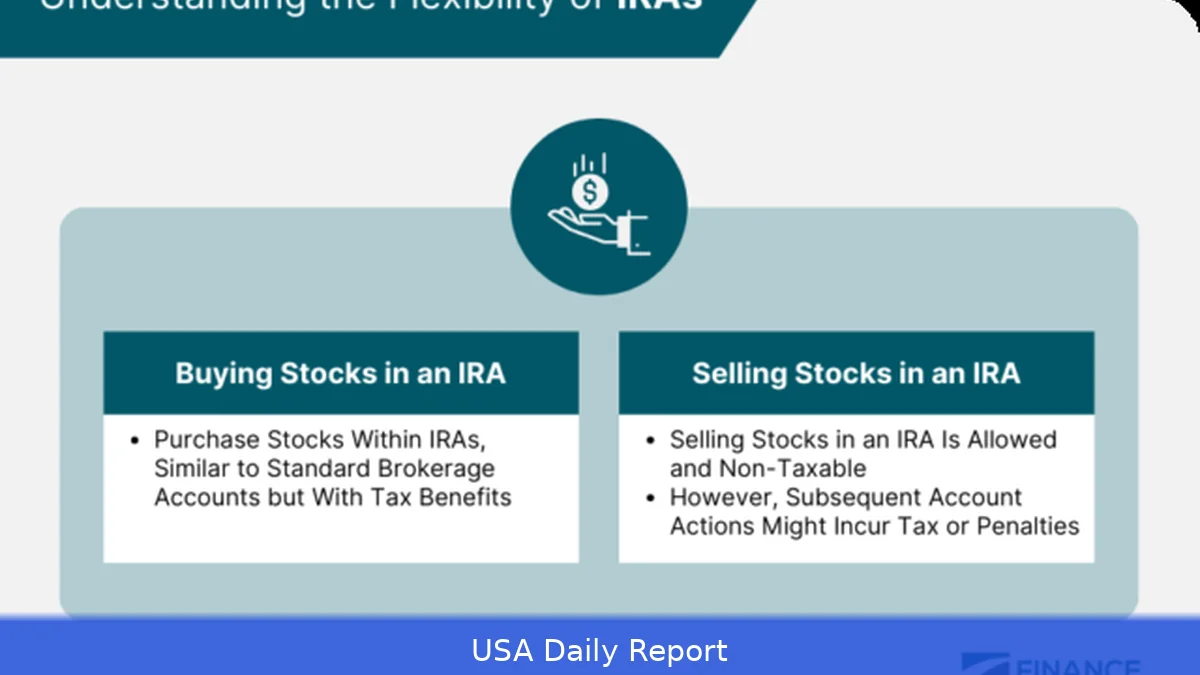
Trying to make sense of IRAs for 2026 and 2027? You're in the right place. Whether it’s a Cash IRA, Stocks and Shares IRA, or a Lifetime IRA, understanding the rules can help you save smart and grow your money over time. This guide breaks down what each IRA is, how it works, why it matters, and how to get started — all in plain English.
What is an IRA?
An IRA, or Individual Retirement Account, is a special savings account designed to help people in the US save money for retirement with tax benefits. Think of it as a money jar where the government lets your savings grow either tax-free or tax-deferred, depending on the type. This means you get to keep more of your earnings over time because you either don’t pay taxes on the gains or you can delay paying taxes until later.
IRAs are powerful tools because they encourage you to save steadily by offering tax advantages. For 2026 and 2027, the IRS allows individuals under 50 to contribute up to $6,500 annually to their IRAs. If you're 50 or older, you can add an extra $1,000 as a 'catch-up' contribution, bringing the total to $7,500 per year. These limits apply across all your IRAs combined.
Opening an IRA gives you a dedicated place to save for retirement with rules that protect your money from early withdrawal penalties and offer tax perks. The idea is to help you build a nest egg for your golden years, so you have more financial freedom when you stop working.
Types of IRAs in 2026/27
There are several types of IRAs you'll hear about, but the main three to focus on for 2026 and 2027 are:
- Cash IRA: This is a straightforward IRA where your money is held as cash or cash equivalents, earning interest. It's similar to a savings account but with special tax treatment. The money is safe from market swings, making it a low-risk option.
- Stocks and Shares IRA: This IRA lets you invest your money in stocks, bonds, mutual funds, and other securities. It aims for higher growth over time but comes with more risk since the value of your investments can fluctuate.
- Lifetime IRA (LIRA): A special IRA designed to help you save for your first home or retirement. The government adds bonuses to your savings to encourage long-term saving. You can contribute up to $4,000 annually to a Lifetime IRA, which counts toward your overall IRA contribution limit.
Each of these IRAs serves different goals and risk levels, so knowing which fits your situation can help you make smarter saving choices.
How Cash IRA Works
A Cash IRA holds your money mostly in cash or cash-like investments such as money market funds or certificates of deposit (CDs). Your money earns interest, usually at a fixed or variable rate, depending on the account. Because the money stays in cash, the value is stable and not subject to market ups and downs.
One big perk: you don’t pay taxes on the interest earned inside the IRA until you withdraw the money. This tax deferral means your interest can compound faster than in a regular savings account where you'd pay taxes each year.
For 2026 and 2027, the interest rates on cash investments vary but typically range between 3% and 5% depending on the financial institution and market conditions. While this may seem modest, the safety and tax benefits make it attractive for conservative savers or those nearing retirement who want to protect their money.
Keep in mind, though, that Cash IRAs generally offer lower growth than investment-based IRAs. But if your priority is preserving capital and earning steady interest without market risk, a Cash IRA can be a solid choice.
How Stocks and Shares IRA Works
With a Stocks and Shares IRA, you invest your money in things like stocks, bonds, mutual funds, and exchange-traded funds (ETFs). These investments could grow much faster than cash because they take advantage of the stock market’s long-term upward trend.
The catch? The value of your investments can go up and down. Some years, you might see big gains. Other years, you might lose money. But over long periods, stocks have generally outperformed cash investments.
Inside the IRA, you don’t pay taxes on dividends, interest, or capital gains each year. Instead, you pay taxes when you withdraw money, usually after age 59½. This tax-deferred growth helps your investments compound faster.
For 2026 and 2027, the IRS contribution limits still apply — $6,500 annually if under 50, $7,500 if 50 or older. You can choose your investments based on your risk tolerance and retirement timeline. Younger savers often put more into stocks for growth, while older savers may shift toward bonds and safer assets.
Keep in mind, though, your money can lose value in a Stocks and Shares IRA, especially during market downturns. But if you stay invested over time, the growth potential is much higher compared to cash.
Lifetime IRA Explained
The Lifetime IRA (or LIRA) is a special type of IRA aimed at helping people save for their first home or retirement.
It offers government bonuses to encourage saving. Think of it like a reward on top of your contributions.
For 2026 and 2027, you can contribute up to $4,000 a year to a Lifetime IRA, which counts toward your total IRA contribution limit. The government adds a 15% bonus on the first $4,000 contributed annually — that’s up to $600 extra each year.
This bonus is tax-free as long as you use the money to buy your first home or keep it in the IRA until age 60. If you withdraw early for other reasons, you might have to pay taxes or penalties on the bonus.
The Lifetime IRA offers flexibility. You can use the money after saving for at least five years either to buy your first home or for retirement income starting at age 60. It’s a great way to get a boost on your savings if you qualify.
To be eligible for the government bonus, your income must be below certain limits, which for 2026 are $97,000 for single filers and $194,000 for joint filers. These limits may adjust slightly in 2027 based on inflation.
Many people use the Lifetime IRA as a stepping stone — saving for a home early on and then letting the money grow for retirement later.
Saving for retirement with an IRA in 2026 and 2027 doesn’t have to be confusing. Whether you choose a Cash IRA to keep things safe, a Stocks and Shares IRA to grow your money over time, or a Lifetime IRA to get government bonuses for your first home or retirement, knowing the rules helps you make choices that fit your goals. Remember the annual contribution limits — $6,500 or $7,500 if you're 50 or older — and pick the IRA type that matches your comfort with risk and your timeline. Starting early and contributing regularly can make a big difference in how much you’ll have later.


