
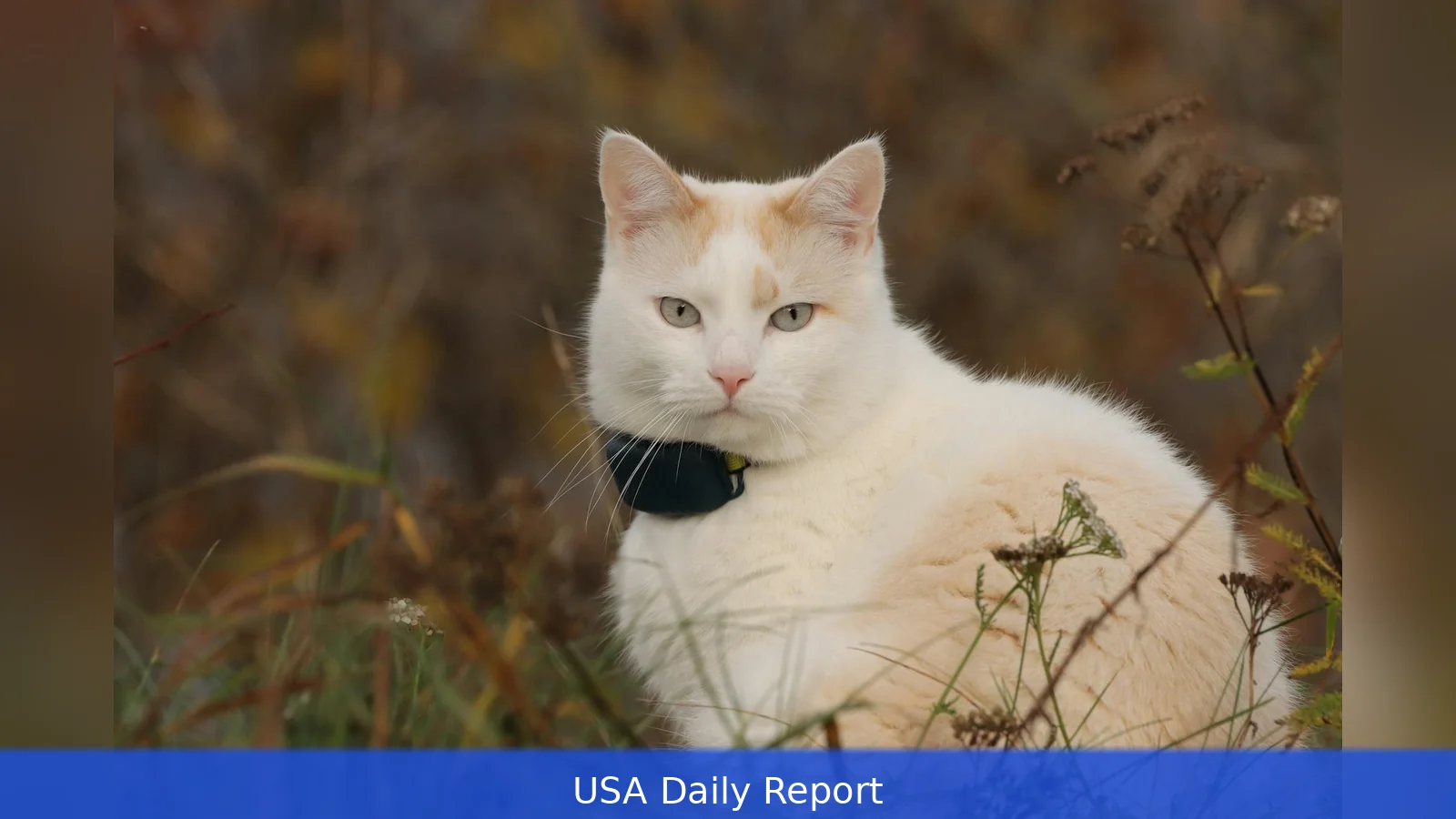
Tractive's cat trackers promise health metrics and live GPS, but owners report the battery drains fast once pets leave Wi-Fi safe zones. Two models blend GPS and health sensors, start at $79, and require a subscription (plans begin at $120 a year) to unlock live tracking and advanced features. The devices log sleep and activity; one model can record resting heart and respiratory rates and another adds behavior flags like scratching. That trade-off, useful trend data versus reduced runtime on the go, determines whether the collars are best for daily monitoring or for finding a lost cat.
What the devices do
Tractive sells wearable trackers designed to do two jobs. They try to act as a GPS beacon. They also collect health and activity data. The Cat 6 Mini is built for cats and starts at $79. The Dog 6 XL is for larger dogs, priced at $89, and has longer battery life.
The collars include motion sensors and other hardware that measure activity and sleep. They break sleep into night sleep, day sleep and calm periods. The tracker logs how long a pet sleeps each day. It also compares that history to similar animals so owners can see whether a pet is above or below a typical range. Users get weekly summaries of activity, sleep and estimated calories burned. The app sends alerts when a pet’s sleep or activity falls outside its usual pattern.
Health tracking that looks like a smartwatch
Tractive has been positioning its collars as health tools. The company built an AI-powered health hub in the app to display trends and flag changes. The Cat 6 Mini can record resting heart rate and respiratory rate. Those vitals are the kind of baseline measures veterinarians often use to spot a shift in a pet’s condition. Michael Hurnaus, CEO and founder of Tractive, said the collars turn data into simple information so owners can act sooner and care better.
The Dog 6 XL adds scratch monitoring and other behavior flags. Those features aim to detect increased scratching from allergies or skin irritants. Tractive says the collars use learnings from a large pet dataset to feed the health insights. A company representative told testers that veterinarians are most interested in baseline resting heart and respiratory rates, rather than real-time vitals during acute care. That means the collars are built to show long-term changes, not to replace clinical monitoring.
Location tracking and the SIM trade-off
Every tracker uses a built-in SIM card and cellular networks to report location. That gives owners live tracking and a map of places a pet visits. The app can show heat-map style roaming areas and let owners create virtual fences, with options for safe zones and danger zones.
If a pet crosses a fence, the app can send a notification.
At home, the tracker switches to a power-saving mode and leans on Wi-Fi. That helps extend battery life while a pet stays inside a safe area. But once a pet leaves that zone, cellular tracking kicks in and the device draws more power. Testers reported the collar’s blinking light and a small beep to help locate a missing pet. The light helps, but the beep is quiet, making sound-based finding unreliable without the map coordinates.

Battery life and real-world limits
Battery life differs by model and by how the collar is used. The Dog 6 XL can last up to four weeks between charges in battery-saving settings. The Cat 6 Mini and older smart cat trackers are designed for shorter cycles, especially when live tracking is active. Reviewers who tested a Tractive cat tracker found that the battery drains quickly when the device is outside the safe zone and actively using GPS.
That behavior matters because the feature set most people buy GPS collars for is finding a lost pet. If the device loses charge within hours of a cat leaving home, it narrows the window in which owners can get a precise live fix. The collar will still show location in the app, but the shortened runtime can reduce the chance of a timely recovery if a pet wanders far from home.
The trackers estimate sleep and activity from motion and the time of day. That gives a useful picture of routines, but it's not the same as medical-grade monitoring. One tester logged her cat sleeping roughly 14 to 18 hours a day with typical midday naps. The device flagged changes and compared the cat’s patterns to similar animals.
Sleep tracking is a good early-warning tool. It can flag increased sleep or reduced movement, which may indicate illness. But motion-based sleep detection will register stretches of stillness as sleep. That means the collar provides a strong signal for routine and change, not a clinical diagnosis.
The trackers require a subscription to unlock live GPS, historical location and advanced health features. Tractive lists a one-year plan at $120, a two-year plan at $168 and a five-year plan at $300. The subscription also enables family sharing and worldwide coverage, depending on the plan. Some buyers will get a discount during sales events, but the recurring fee is a consistent part of ownership.
Subscribers should factor in the added cost when weighing the benefits of health monitoring against the collar’s ability to find a lost pet. A lower upfront price can still lead to a substantial long-term expense when the service fee is included.
Indoor-only cats get useful health insights even if they never leave the house. The app's comparisons and weekly reports help owners understand baseline activity and spot deviations. One tester used the collar in a carrier to map walks and said the app recorded the route. That shows the product can track movement indoors and outdoors, provided the device has cellular connectivity.
Owners may need to adjust fence sizes to avoid false alarms. A reviewer found a virtual fence too small around an apartment and had to expand it. Expanding a fence makes the app less likely to alert an owner if a cat slips outside but stays close by. And the collar's quiet beep reduces the chance of finding a pet by sound alone.
If your priority is monitoring a cat’s daily activity and spotting slow shifts in health, the trackers deliver a new level of data. The collars are especially helpful for owners who want trend data and weekly recaps. Vets can use baseline trends when assessing chronic conditions or long-term changes.
If your top concern is recovering a lost cat far from home, you should weigh the battery behavior and subscription cost. Live GPS is useful, but its usefulness depends on cellular coverage and how long the collar will stay powered while the pet is roaming.
Related Articles
- Update to iOS 26.4.2 to stop notification previews leaking messages
- AI Risks Could Widen Chip-Software Gap
- Apple ships 9 products in March; M5 drives Mac refresh
Weigh trend-level health data against subscription fees and reduced battery runtime outside Wi-Fi safe zones.
This article was created with AI assistance.


