
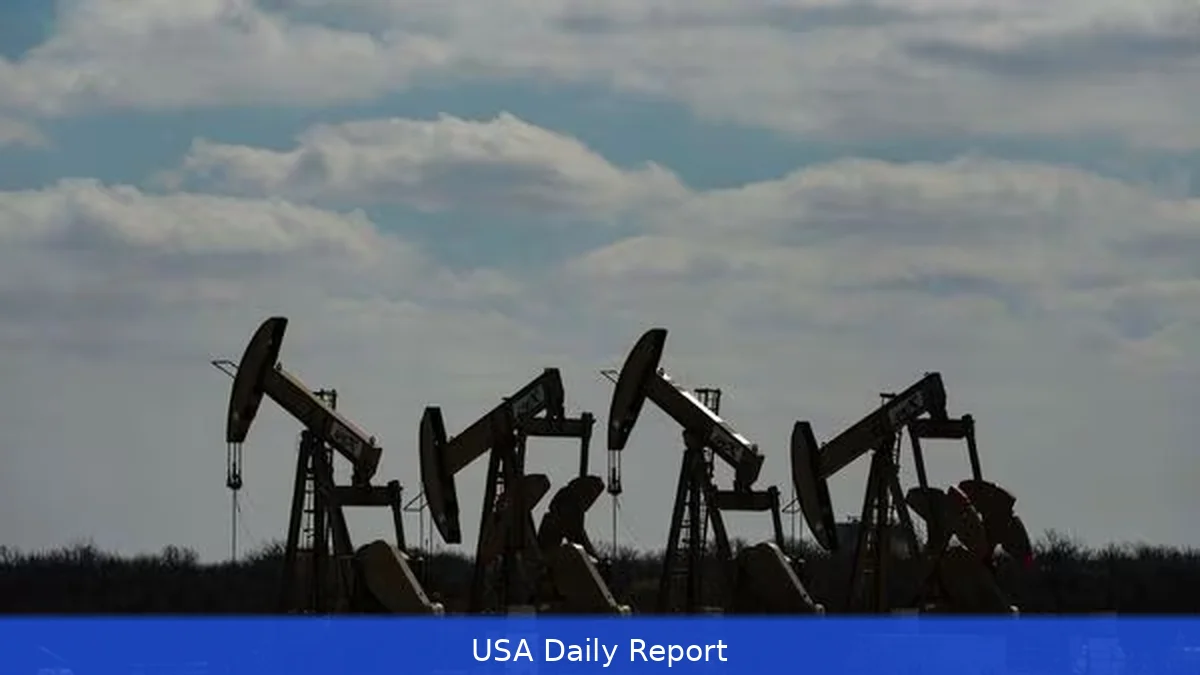
2 percent. That's roughly how much Brent and West Texas Intermediate slipped on Wednesday as a fragile cease-fire between the United States and Iran held, reducing immediate threats to shipping through the Strait of Hormuz. Brent crude fell more than 2 percent to about $95 a barrel for August delivery, while U.S. benchmark West Texas Intermediate dropped about 2 percent to roughly $92 a barrel for July delivery. The pause in fighting cut the near-term premium traders had built into fuel, and national pump prices eased.
A reduced inflationary impulse followed, after the fragile cease-fire eased immediate shipping risks through the Strait of Hormuz.
Markets pull back as diplomacy takes hold
Traders pushed prices lower on the prospect that fewer attacks and safer sea lanes would allow more oil to move, at least in the short term. The market reaction was measured: equities moves were mixed while fuel at the pump edged down, reflecting a drop in the risk premium rather than an abrupt return to plentiful supply.
Marco Rubio described the negotiations as showing "some good signs" while warning that "there's more work to be done" and that "we're not there yet," language that showed how fragile the truce remains. President Trump and his administration said an agreement was within reach, though the cease-fire has been punctuated by recent military incidents, including Israeli strikes in Lebanon and U.S. attacks on Iranian boats and missile launch sites.
Market commentary in the past month tied price swings tightly to diplomatic headlines. Traders drove Brent above $100 earlier in May amid renewed hostilities and competing maritime blockades. Six weeks into the fragile cease-fire in the U.S.-Iran conflict, some investors have taken comfort from shuttle diplomacy that includes Pakistan and Qatar as facilitators. A diplomatic source in Islamabad, speaking to Iran's state news agency IRNA, said Pakistan's army chief traveled to Tehran, and a Qatari negotiating team arrived in Tehran to coordinate with U.S. officials.

Supply damage keeps a structural premium
Even as headline prices eased, supply fundamentals stayed strained.
A big share of global energy supplies transited the Strait of Hormuz before the war, and the conflict removed large volumes from the market, a shock that tightened physical balances and drew down inventories worldwide.
Analysts at BMI, a unit of Fitch Solutions, raised their forecast for 2026 Brent, citing the supply deficit, the time required to repair damaged Gulf energy infrastructure, and the expected delay before exports return to pre-crisis levels. That projected path helps explain why traders and analysts expect volatility to persist: even if the cease-fire holds, repairs and the restoration of normal export flows will take time.
Phil Flynn, senior analyst at Price Futures Group, said the market narrative kept shifting as negotiators discussed Tehran delivering uranium constraints in exchange for sanctions relief. Traders also noted that any sustained reopening of shipping in the Strait of Hormuz wouldn't instantly restore volumes, because damaged terminals and routes need to be repaired or replaced before exports return to pre-war levels.
The result is a market that will trade on alternating flashes of optimism and operational risk. A diplomatic breakthrough would lower an immediate risk premium, but the physical shortage and the calendar of repair work are likely to keep a structural premium on oil until exports are fully normalized.
Watch shuttle talks in Tehran and Islamabad; their outcome will decide whether the cease-fire holds or fresh incidents send the oil risk premium back up. Originally reported by Reuters.
This article was created with AI assistance.


