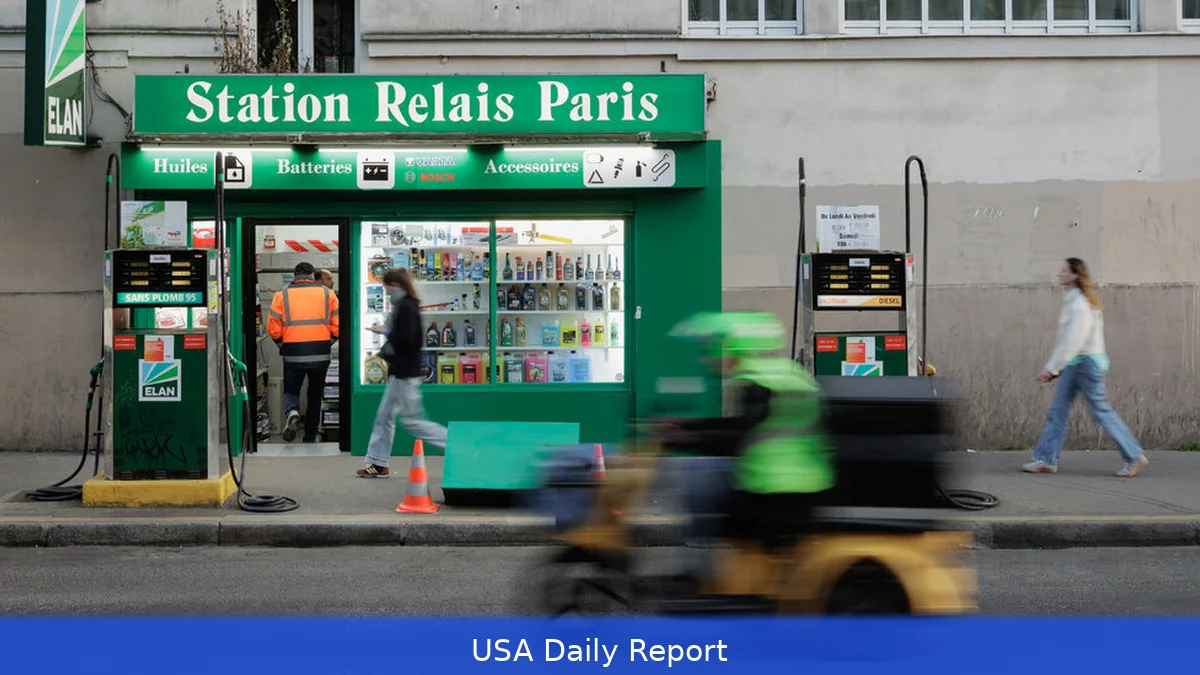
Europe's inflation is rising quickly, and the conflict in Iran seems to be making supply chain problems worse. The war’s ripple effects threaten to undercut economic recovery efforts across the continent.
Energy Prices Spike Amid Middle East Tensions
Diesel prices in parts of Europe have surged to levels not seen in over a decade. The conflict in Iran has disrupted oil supply routes, tightening global energy markets at a time when Europe is still wrestling with the fallout from previous energy shocks.
That spike comes as Europe’s energy demand remains high, driven by industrial activity and heating needs. Any disruption to supply has an oversized impact because the continent imports a large share of its oil and gas. The war in Iran threatens to choke key shipping lanes in the Persian Gulf, a major artery for global oil exports.
Energy prices make up a big part of inflation, and when they jump suddenly, it affects the whole economy. Transport, manufacturing, and agriculture sectors all face higher input costs, which often translate into higher prices for consumers.
Inflation Pressures Complicate Europe’s Economic Outlook
Europe’s inflation rate, already stubbornly high, faces fresh upward pressure.
The European Central Bank had hoped to ease inflation through rate hikes, but rising energy prices could force policymakers to reLook at their strategy.
Higher inflation erodes purchasing power and risks slowing consumer spending, a key driver of growth. At the same time, governments may struggle to balance fiscal support for households with commitments to reduce deficits.
And it’s not just energy. War in Iran is also affecting supply chains for other commodities. Disruptions in shipping and higher insurance costs for vessels passing through conflict zones add to the cost of goods arriving in Europe.
Global Geopolitics and Europe’s Vulnerabilities
Europe’s economic challenges come amid shifting geopolitical currents. The war in Ukraine has already prompted increased defense spending and strained public finances. Now, tensions in the Middle East add a new layer of uncertainty.
US foreign policy has pushed European nations to take on more responsibility for their own defense budgets. That means less fiscal room for economic stimulus or cushioning inflation’s impact.
Meanwhile, the ongoing conflict in Iran threatens to destabilize global markets further. Investors and businesses watch closely, fearing that any escalation could trigger even sharper energy price shocks and disrupt fragile recovery efforts.
Energy Demand Growth Outpaces Supply
Europe isn’t the only region feeling the pinch. Across the globe, surging demand for energy is colliding with supply constraints. The rise of new technologies like artificial intelligence and electric vehicles is pushing power needs higher than ever.
Big tech companies are racing to build data centers that require enormous amounts of energy. At the same time, electric vehicle adoption is creating a surge in electricity demand. Both industries compete for limited power generation and transmission capacity.
It takes years to build new power plants and improve infrastructure, especially with rules and land problems slowing things down. Experts warn that these constraints could limit economic growth and technological progress if not addressed promptly.
Europe is dealing with inflation from many angles, including political conflicts and growing energy needs. How governments and central banks respond may determine whether the continent can avoid a deeper economic slump as tensions in Iran continue.


