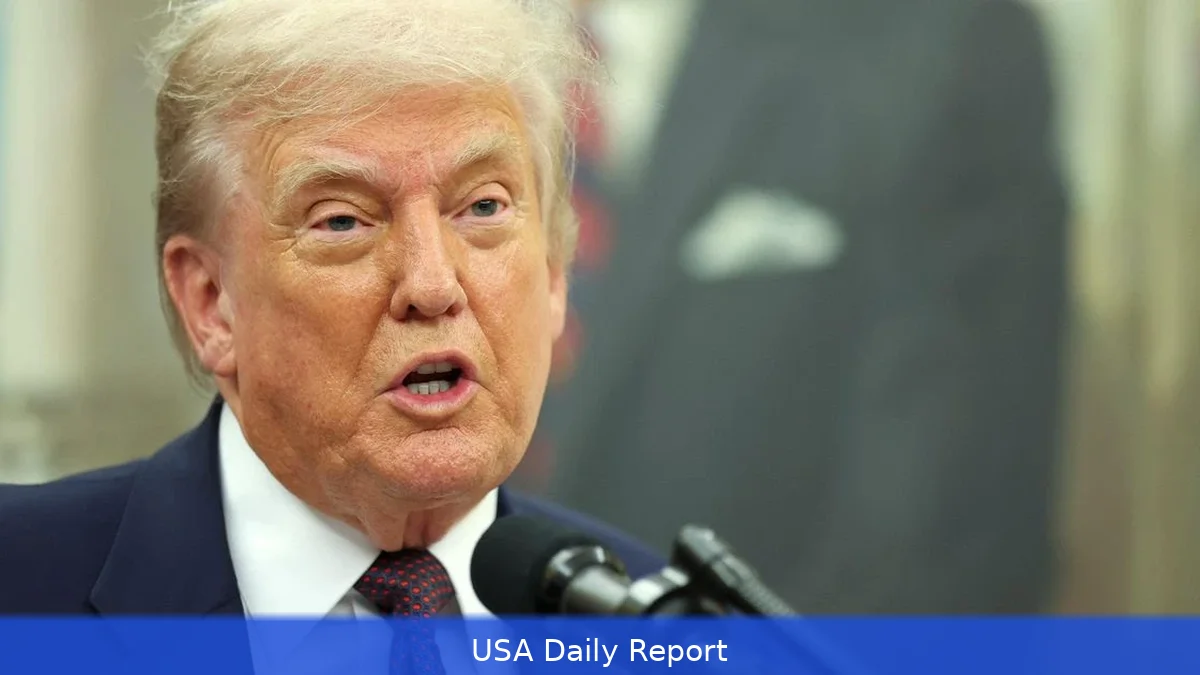
President Donald Trump signed an executive order aiming to open 401(k) retirement plans to alternative investments like private equity and cryptocurrencies. The move could reshape how Americans save for retirement, giving them access to riskier assets long kept out of typical workplace plans.
401(k)s Meet Alternative Investments
Most Americans’ retirement savings are tied up in stocks, bonds, and some cash. But Trump’s executive order directs federal regulators to reconsider what counts as a qualified investment under the Employee Retirement Income Security Act (ERISA). The goal: allow 401(k) plans to include private equity, crypto, real estate, and other alternatives.
Right now, these options are rare in retirement plans because they’re harder to value and come with higher risks. Employers have steered clear due to fears of lawsuits and regulatory trouble if investments don’t perform or are too costly.
Still, the Department of Labor recently proposed a rule to give plan sponsors “maximum discretion and flexibility” to add such investments, as long as fiduciaries follow a thorough, prudent process. That means weighing fees, liquidity, performance records, and complexity before adding alternatives.
Why Private Equity and Crypto?
Private equity has long sought a slice of the $5 trillion held in workplace retirement accounts.
These funds often deliver strong returns over the long term but are less transparent and more expensive than public stocks.
Cryptocurrencies like bitcoin have drawn attention for their rapid growth and wild price swings. Bitcoin’s value has nearly doubled since Trump’s 2016 election, hitting over $116,000 in recent trading. Crypto firms backed Trump’s campaign, hoping to push their assets into mainstream retirement plans.
But federal regulators under the Biden administration treated crypto with caution, warning about its volatility and risks. The new administration eased some regulatory pressure, including dropping a lawsuit against Coinbase, a major crypto exchange and Trump supporter.
What This Means for Workers and Employers
The changes won’t happen overnight.
Agencies must rewrite rules, which could take months or longer. Workers won’t be forced to invest in alternatives; they can stick with traditional stocks and bonds if they choose.
Employers still face tough decisions. They must ensure any new investment option fits the “best interest” standard set by ERISA. That means rigorous analysis, knowing that offering riskier assets could invite lawsuits if things go wrong.
Lisa Gomez, a former Labor Department official, said fiduciaries don’t need permission to consider alternative investments but need clarity on how to do it prudently. The proposed rule aims to provide that clarity. But whether companies will embrace these options remains uncertain.
Industry Response and the Road Ahead
Private equity executives welcomed the move, calling it good news for Americans seeking long-term returns. Simon Tang, head of U.S. Operations at private markets firm Accelex, noted the asset class’s strong performance over time.
Still, experts warn about risks. Alternative investments often lack the day-to-day transparency that stocks and bonds offer. Illiquid assets can tie up retirement funds for years. And crypto’s wild price swings could hurt savers near retirement.
The political angle is clear: Trump’s executive order rewards industries that supported his campaign financially. It also reflects a broader push to democratize access to investment opportunities previously limited to the wealthy.
Yet the legal framework around 401(k)s prioritizes protecting workers from risky bets. How regulators balance innovation with caution will shape the future of retirement savings in the U.S.
Federal agencies have their work cut out. Changing decades-old retirement rules won’t be simple. But if implemented, Trump’s plan could bring big shifts to how Americans invest for their future — for better or worse.


