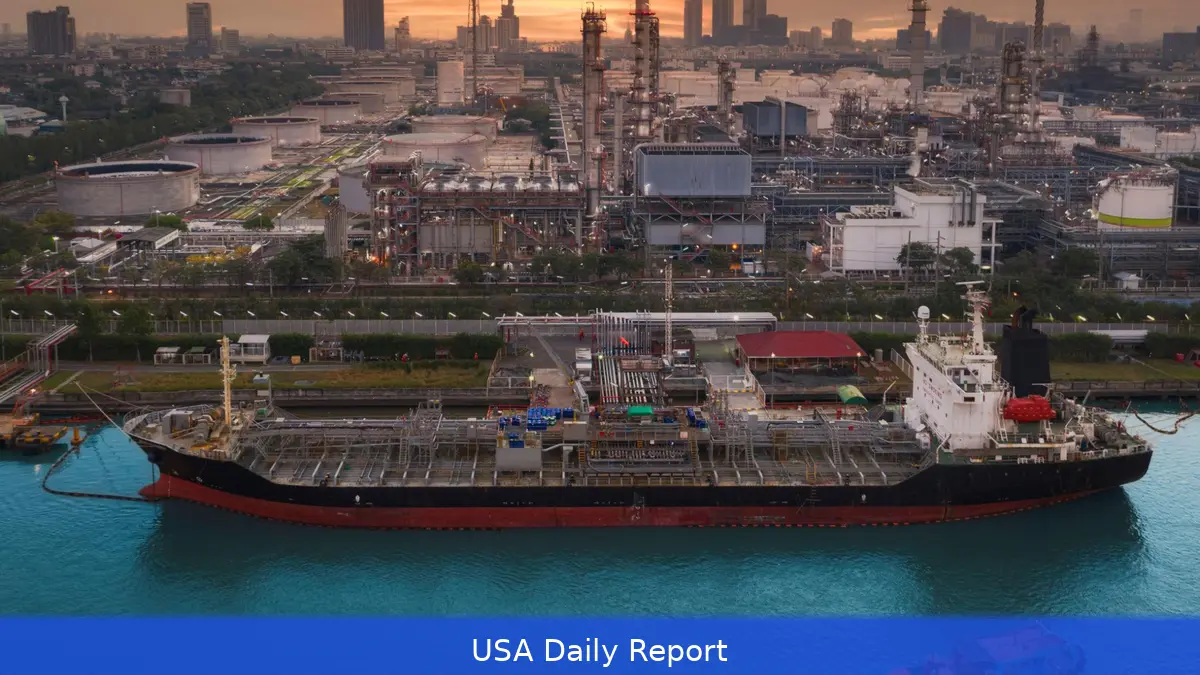
Jet fuel prices are soaring, and New York has stepped into the spotlight with an unusual reroute of shipments to England. The move reflects growing supply chain strains tied to the conflict in Iran and is already pushing up travel costs worldwide.
Fuel Crisis Hits Transatlantic Routes
Jet fuel prices have skyrocketed this year, driven by the ongoing conflict involving the U.S., Israel, and Iran. The situation has forced airlines and fuel suppliers to rethink their usual supply chains. New York, known as a major fuel hub, reportedly began sending jet fuel shipments to England, which is an unusual shift in global supply routes.
Middle Eastern oil exports have been disrupted, causing major supply issues. The Strait of Hormuz, a critical shipping lane for fuel, remains partially blocked or unsafe, throttling the flow of crude and refined products to Europe and Asia. England, facing a sharp jet fuel shortage, has had to rely on alternative sources. New York’s decision to send fuel to England highlights the interconnectedness of global energy markets and the ripple effects of regional conflicts.
Airlines Brace for Higher Operating Costs
Jet fuel is one of the largest expenses for airlines, often second only to labor costs. Before the war, U.S. Jet fuel hovered around $2.44 a gallon. Now prices have soared to nearly $4.62, an 85% jump in just a few months. For United Airlines alone, that means billions more spent on fuel annually. CEO Scott Kirby has warned that flights losing money due to fuel costs might be cut, signaling more cancellations or route adjustments ahead.
Airlines worldwide are responding by hiking ticket prices and trimming capacity. JetBlue recently raised baggage fees, citing the need to cover rising operational expenses. Carriers in Asia and Europe, more dependent on Middle Eastern fuel supplies, are especially squeezed.
Some have started charging hefty surcharges—up to $150 per ticket—to offset costs.
Travelers are already feeling the pinch. Average U.S. Airfares hit $465 recently, the highest for this time of year in at least four years. Analysts warn that if fuel prices stay elevated, fares could climb even further. But demand remains strong, giving airlines some leverage to pass on costs.
Wider Economic Impact Beyond the Skies
The jet fuel shortage affects more than just airlines. Farmers in New York and across the U.S. Are struggling with soaring diesel prices, which have jumped from about $3.87 to $5.62 per gallon. Diesel powers tractors, combines, and trucks that haul crops and supplies. Higher fuel costs are pushing fertilizer prices too—rising from $400 to $580 per ton in New York alone.
Farmers warn these cost increases will soon hit grocery store shelves. "Planting season is right around the corner," said Amanda Powers of the New York Farm Bureau. "If this isn’t resolved quickly, consumers will see it in their food bills." The agricultural sector faces a tough balancing act, passing costs to customers without dampening demand.
Meanwhile, the ripple effects extend to motorists. U.S. Gasoline topped $4 a gallon again recently, a level not seen since 2022. The mix of higher crude oil prices, supply disruptions, and geopolitical uncertainty continue to press down on energy markets.
Global Supply Chains in Flux
England’s jet fuel shortage and New York’s role in rerouting shipments show a broader reshuffling of energy flows. Asian countries like South Korea are also redirecting fuel stocks from exports to domestic use. These shifts put extra pressure on global supplies and push prices higher everywhere.
Industry experts say the jet fuel shortage is unlike anything seen in recent years. Jaime Brito, an executive director at an oil price consultancy, described the situation as one that "shocks the entire mechanism" of supply and demand. Airlines that once hedged fuel costs to manage price swings now mostly buy at market rates, making them more vulnerable to sudden spikes.
The financial hit is showing up beyond fuel bills. Stock markets have dipped nearly 10% since the conflict began, reflecting investor fears about sustained energy price shocks. Airlines have already flagged earnings hits for the first half of the year, and adjustments to flight schedules may become routine if prices don’t normalize.
The reported rerouting of jet fuel from New York to England shows how geopolitical conflicts impact global markets. With fuel prices still climbing and supply chains stressed, travelers and consumers alike face a costlier year ahead.


