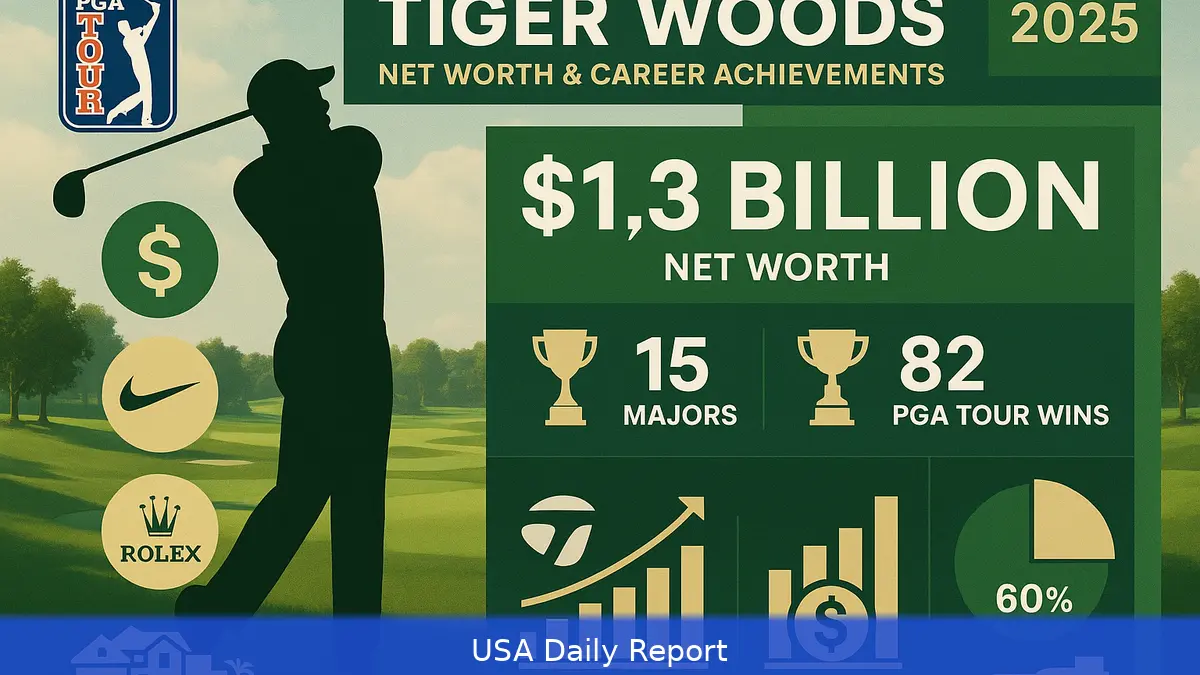
Tiger Woods isn’t just a golf legend anymore. His net worth has ballooned to an estimated $1.3 to $1.4 billion by early 2026. And the surprising part? Most of that cash didn’t come from swinging clubs.
From Golf Star to Business Giant
Tiger Woods made his name on the golf course, winning millions in prize money and millions more in endorsements. But the bulk of his wealth today comes from smart business moves off the green. Around 90% of his fortune has been built through ventures beyond playing golf.
Even as injuries slowed his tournament appearances, his bank account kept growing. His shift from athlete to entrepreneur helped him join the exclusive billionaire athlete club alongside Michael Jordan and LeBron James.
Woods hasn’t just been cashing endorsement checks. Instead, he’s taken ownership stakes and launched his own brands. That strategy has kept his income steady and rising.
Sun Day Red: A New Chapter
For nearly three decades, Woods was synonymous with Nike. But that partnership ended in late 2023. It wasn’t a setback; it was a pivot. In 2024, Tiger launched Sun Day Red, or SDR, teaming up with TaylorMade. This new apparel brand quickly exceeded expectations.
Sun Day Red started with high-end polos and footwear. By 2026, it expanded into women’s fashion and lifestyle accessories. Unlike a typical endorsement deal where an athlete gets a flat fee, Tiger is actually a founder and part-owner. That means he profits directly from the brand’s growth, not just its sales.
Diversifying the Empire: TGR Ventures and PopStroke
Tiger’s business interests run deep under the umbrella of TGR Ventures. One standout success is PopStroke, a luxury mini-golf chain combined with dining. With dozens of locations nationwide, PopStroke taps into the booming “eatertainment” trend—blending food and fun in a way that keeps cash flowing without Tiger needing to be on-site.
TGR Design, Woods’ golf course design firm, is another big money-maker. Tiger’s team creates some of the world’s most exclusive golf courses, with projects in the U.S., Mexico, and the Bahamas. These aren’t your average layouts—clients pay premium prices for the Woods touch.
Ownership Stakes in the PGA Tour
Perhaps the biggest financial leap came from Tiger’s stake in the PGA Tour itself. After the Strategic Sports Group invested $3 billion, the Tour’s value shot up to nearly $13 billion. Tiger, who stayed loyal during the LIV Golf controversy, received a big ownership share in this new commercial entity.
His equity isn’t just a token. It’s a real slice of the sport’s future profits. Combine that with his $121 million in career prize winnings, and Tiger’s financial clout within golf is massive.
Even without playing full-time, Woods’ influence on the sport’s finances matches his legendary impact on the game.
Tiger Woods’ net worth story shows how athletes can reinvent themselves. By moving from player to business owner, he’s built a financial legacy that will outlast his golfing days.


