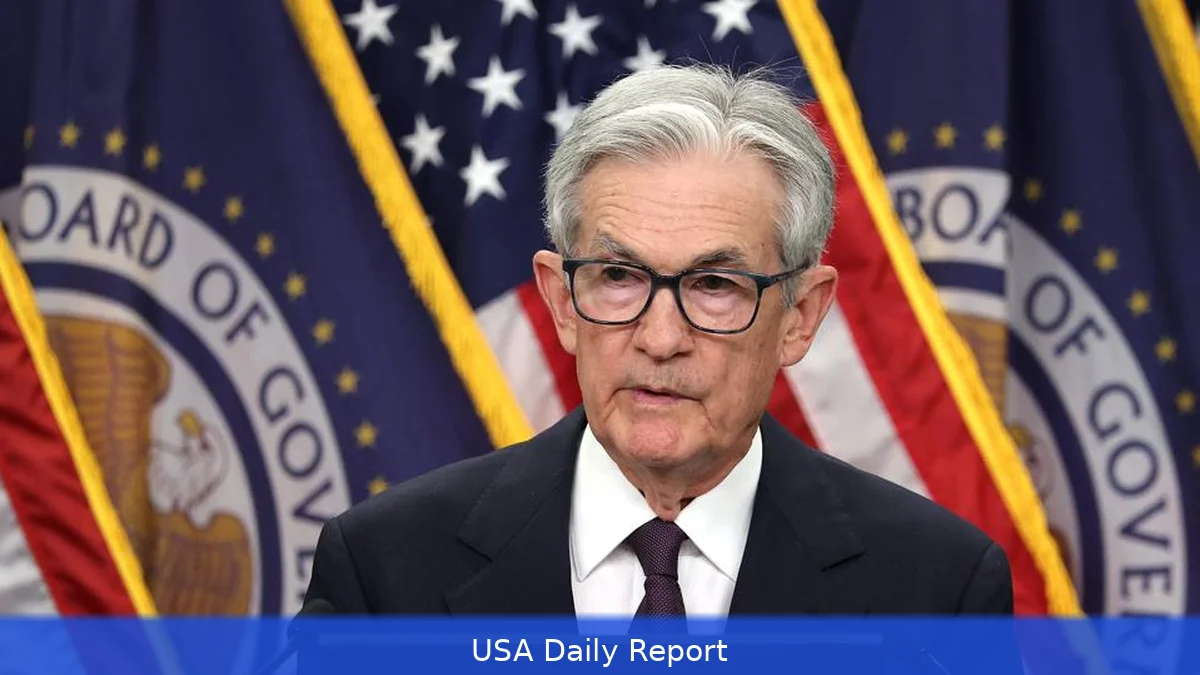
Gold prices hovered near $4,500 an ounce this week, steadying after weeks of volatility amid geopolitical tensions in the Middle East. Investors took a cautious stance following Federal Reserve Chair Jerome Powell’s comments suggesting long-term inflation remains contained.
Gold’s Resilience Amid Middle East Conflict
Gold climbed nearly 2% at one point, breaking above $4,500 an ounce before trimming gains. The rise came as investors snapped up bargains amid worries about inflation and the ongoing war in Iran entering its fifth week. Despite oil prices climbing higher, which typically boosts bullion’s appeal as an inflation hedge, gold’s moves were tempered by renewed bets on Federal Reserve interest rate cuts.
Traders had been bracing for stubborn inflation driven by energy costs, but Powell’s remarks helped ease those fears. He indicated that longer-term inflation expectations appear well anchored, reducing the likelihood of aggressive tightening. That outlook weighed on gold, which is sensitive to interest rate hikes since it yields no income.
Geopolitical Risks and Market Reactions
The conflict between the US and Iran escalated after Iranian-backed Houthi forces joined the fray, raising concerns about a broader regional war. Attacks on energy infrastructure in Bahrain and the UAE, alongside missile strikes in Tehran, heightened uncertainty. US President Donald Trump intensified rhetoric, threatening to target Iranian energy assets if the Strait of Hormuz remained closed, a vital oil shipping route.
Financial markets have felt the strain. Since the war’s outbreak in late February, gold prices dropped about 15%, pressured by expectations that central banks would raise rates to combat inflation.
Yet, gold’s recent rebound suggests some investors see value as prices dipped into oversold territory.
Still, the risk of a prolonged conflict keeps traders on edge. Several regional powers, including Saudi Arabia and Turkey, have met to explore diplomatic solutions, but tensions remain high. The possibility of central banks hiking rates amid geopolitical uncertainty makes the outlook for gold and broader markets.
Economic Slowdown and Rate Cut Speculation
On the economic front, signs point to a slowing US economy. Some Wall Street fund managers warn that markets may be underestimating recession risks. A weaker economy would likely push Treasury yields lower, reducing the opportunity cost of holding gold and making it more attractive.
Powell’s recent speeches hinted the Federal Reserve could soon ease monetary policy. After a string of rate hikes, the Fed will probably announce a 25 basis point cut. But the central bank’s future moves hinge on upcoming inflation data, especially the core Personal Consumption Expenditures (PCE) index, its preferred gauge.
Market sentiment has swung with these signals. Cryptocurrencies and other risk assets have been volatile as traders weigh the Fed’s next steps. Rate cut expectations are moderating, with the Fed projected to signal three rate cuts in 2025, down from four earlier this year.
Gold’s Outlook Amid Mixed Signals
Despite geopolitical tensions and inflation concerns, gold faces headwinds from the Fed’s cautious stance. Elevated central bank buying, a driver of bullion’s rally over the past years, has become less consistent. For example, Turkey’s central bank recently sold and swapped about 60 tons of gold worth over $8 billion, bucking the trend.
Bloomberg strategists note that gold’s current rally is tentative, supported mainly by dip-buyers stepping in after a prolonged selloff. ETFs and other key market players have shown signs of capitulation, which historically can precede gains. Yet, conviction remains fragile.
Factoring in geopolitical risks, inflation data, and Fed policy, gold’s path is far from clear. Investors will be watching the Fed’s upcoming inflation reports closely. Should inflation surprise to the upside, gold could get a boost. But if Powell’s message of contained inflation holds, bullion might struggle to gain momentum.
Powell’s assurance that long-term inflation is under control offers some relief to markets, but the shadow of Middle East conflict and economic slowdown keeps uncertainty high. Gold’s recent stability may be fragile as traders await fresh signals on inflation and monetary policy.


