Millions of American women go through menopause, but support and coverage for treatments like hormone replacement therapy (HRT) differ a lot depending on the state and insurance plan. As of 2026, access to menopause care remains patchy, with only a few states mandating comprehensive insurance coverage. Here’s a breakdown of costs, coverage, and workplace rights so women know what to expect across the country.
Key Figures Summary
- Only 3 states mandate full menopause insurance coverage: Illinois, Louisiana, and potentially Texas by fall 2025.
- Texas bill H.B. 3814 aims to require all insurance and Medicaid to cover menopause prescription drugs, including HRT, with implementation expected in late 2025.
- Menopause-related prescription costs vary but average $30-$100 monthly for HRT medications in 2026, depending on drug type and insurance.
- Medicare Part D covers HRT drugs, though coverage depends on the specific plan’s formulary and state Medicaid expansions; co-pays range from $10 to $50 per month.
- Medicaid coverage differs widely by state, with about 20 states explicitly excluding menopause treatments from their formularies.
- Workplace protections for menopause symptoms are uneven; only 7 states and the District of Columbia have specific laws or guidelines addressing menopause accommodations as of 2026.
- Approximately 1.3 million women in the US reach menopause annually, raising demand for accessible care and employer support.
- Non-hormonal treatments such as antidepressants prescribed for hot flashes cost around $20-$50 monthly without insurance, with generics on the lower end.
- Out-of-pocket costs for menopause-related counseling, including cognitive behavioral therapy and support groups, range from $100 to $250 per session without coverage, with average session lengths of 45-60 minutes.
- Federal disability protections under the Americans with Disabilities Act (ADA) may apply to severe menopause symptoms, but these are rarely invoked specifically for menopause-related disabilities.
Overview of Menopause Support in the US
Menopause marks a major health transition for women, often accompanied by symptoms like hot flashes, night sweats, sleep disturbances, mood swings, vaginal dryness, and increased risks for osteoporosis and cardiovascular disease. Effective treatment is key to maintaining quality of life during this phase.
But the US healthcare system offers uneven support. Coverage depends heavily on your state, insurance plan, and even employer policies. Medicare and Medicaid provide some assistance, but the extent varies significantly across regions and programs. For example, Medicare Part D plans cover hormone replacement therapy (HRT) medications, but the exact drugs covered and co-pays depend on individual plans. Medicaid coverage is even more inconsistent, with some states including menopause treatments in their formularies and others excluding them.
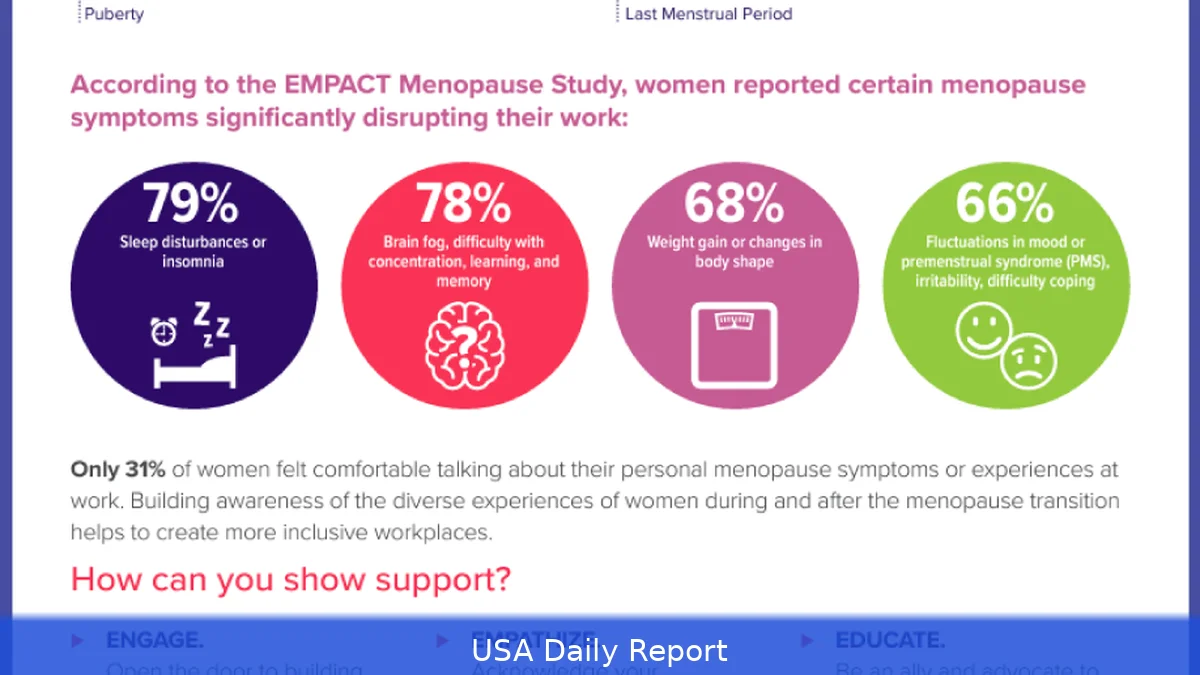
Workplace protections are another challenge. Only a handful of states have laws or guidelines requiring employers to accommodate menopause symptoms, such as flexible schedules or temperature control. Since the federal government lacks specific menopause protections, many women deal with stigma or poor support at work.
Hormone Replacement Therapy (HRT) Options and Costs
HRT remains the most effective treatment for many menopause symptoms. It typically involves estrogen alone or combined estrogen-progestin therapy, delivered via pills, patches, gels, or vaginal rings.
In 2026, the average monthly cost for HRT medications ranges from $30 to $100, depending on the delivery method and brand.
Insurance plays a big role in affordability. Medicare Part D plans generally cover these drugs, but co-pays vary from $10 to $50 monthly. Medicaid coverage depends heavily on the state: about 30 states include HRT drugs in their Medicaid formularies, while the other 20 exclude them.
For those without insurance, out-of-pocket costs can be steep. Generic oral estrogen pills cost roughly $30 per month, while branded patches or gels can run $75 to $100 monthly. Vaginal rings average around $60 per month.
Non-hormonal alternatives, such as certain antidepressants prescribed off-label for hot flashes, cost between $20 and $50 monthly for generics without insurance. These options are often recommended for women who can't or prefer not to use hormones.
Medicare and Medicaid Coverage Details
Medicare Part D plans cover HRT drugs, but exactly what’s covered can change a lot.
Plans update formularies annually, so it’s important for beneficiaries to review their options each year. Co-pays range from $10 to $50 per month, with some plans requiring prior authorizations.
Medicaid coverage depends on whether a state has expanded its program and adopted menopause treatments into the formulary. As of 2026, 30 states include menopause-related drugs like HRT in their Medicaid coverage. The remaining 20 states exclude these treatments, forcing women to pay out of pocket or seek alternative care.
Women in states with limited Medicaid coverage often rely on community health centers or sliding-scale clinics for menopause care, but access to prescription drugs remains a challenge.
Workplace Rights and Accommodations
Workplace protections for menopause symptoms aren’t consistent everywhere. Only 7 states plus Washington, D.C., have specific laws or guidelines that address menopause accommodations as of 2026. These laws typically require employers to provide reasonable adjustments such as flexible breaks, temperature control, or modified duties.
At the federal level, menopause symptoms might qualify under the Americans with Disabilities Act (ADA) if they cause severe impairment, but this is rarely applied specifically for menopause. Many women face stigma or dismissal of their symptoms at work, with no clear legal recourse.
Employers offering comprehensive wellness programs that include menopause support are still in the minority. Some large companies have started to add menopause-specific health benefits, but these remain exceptions.
Regional Differences in Menopause Support
Menopause support varies greatly across the US. Illinois and Louisiana have mandated full insurance coverage for menopause treatments, including HRT, counseling, and related prescription drugs. Texas will probably join them by fall 2025 when bill H.B. 3814 takes effect, requiring insurers and Medicaid to cover menopause medications.
In contrast, many states in the South and Midwest lack specific menopause coverage mandates. Medicaid programs in these states often exclude menopause drugs, and workplace protections are minimal or nonexistent.
States on the West Coast and Northeast tend to have broader coverage and more workplace protections. For example, California offers some workplace guidelines for menopause accommodations, and Massachusetts includes menopause treatments in Medicaid coverage.
Cost differences also follow regional lines. Women in states with mandated coverage pay less out of pocket — often under $20 monthly for prescriptions — compared to up to $100 monthly in states without mandates.
Forecast for Menopause Support in the US
Demand for menopause care is rising fast. About 1.3 million women reach menopause each year in the US, increasing the need for accessible treatments and workplace support.
Legislative trends suggest more states will adopt menopause coverage mandates. Texas’s bill H.B.
3814 shows momentum for expanding insurance and Medicaid coverage of menopause drugs. Advocates are also pushing for more workplace protections nationwide.
Pharmaceutical innovation continues, with new HRT formulations promising fewer side effects and lower costs. This may make treatments more affordable and appealing.
Still, gaps remain. Medicaid exclusions and limited workplace laws leave many women struggling. Without federal mandates, disparities between states will likely persist at least through 2026.
Women and healthcare providers should regularly review insurance benefits and advocate for better employer policies. Staying informed about changing laws and drug formularies is key to accessing care.
Menopause support in the US in 2026 is still a mixed picture. Illinois, Louisiana, and soon Texas lead the way with mandated insurance coverage and Medicaid inclusion of HRT and related care. Yet most states lack specific protections, leaving millions of women to pay high out-of-pocket costs or go without accommodations at work. Medicare offers some coverage but varies by plan, and Medicaid remains a patchwork. Workplace rights are limited, with only a few states requiring menopause accommodations. The growing population of menopausal women means demand for better coverage and protections will only increase in the coming years.


