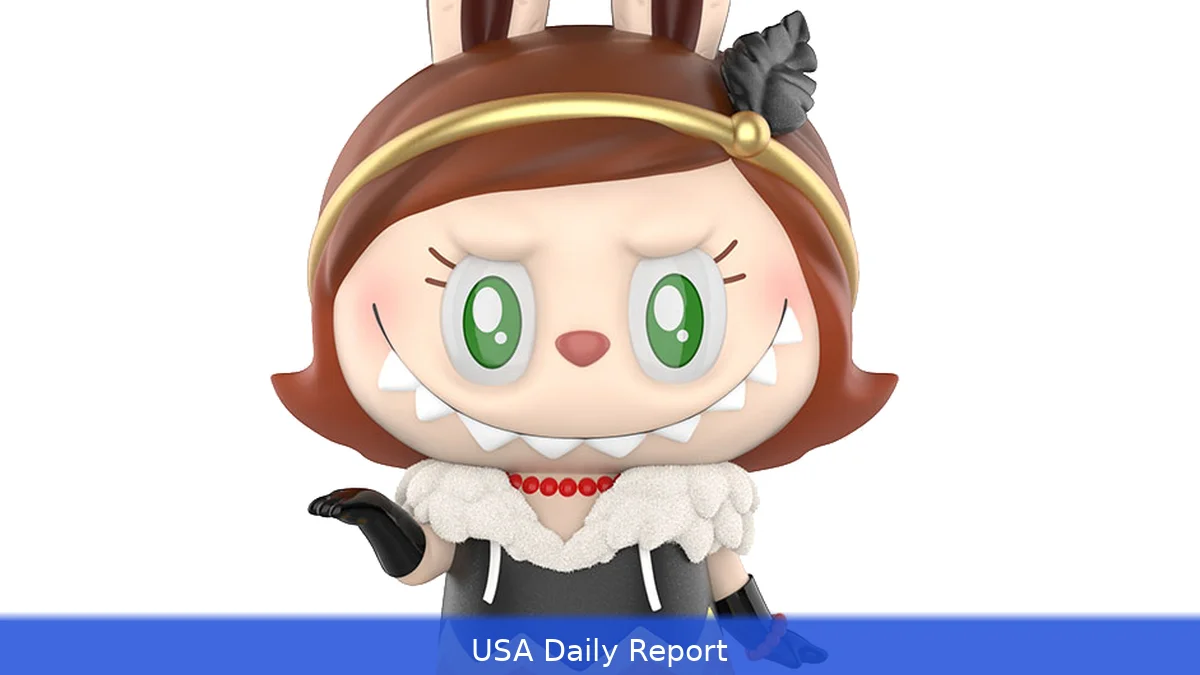
Pop Mart’s Labubu dolls drove a big stock rally earlier this year, but now the momentum is fading. Shares have tumbled nearly 30% from their peak, as investors grow wary of the toymaker’s reliance on fleeting consumer trends.
From Boom to Bust: The Labubu Effect
Pop Mart’s Hong Kong-listed shares soared by more than 270% since January, fueled largely by the popularity of its Labubu doll. The collectible toy became a sensation, propelling the company to one of China’s hottest stock stories. At its peak on August 26, Pop Mart’s shares traded around 339.8 Hong Kong dollars, or roughly $43.71. But the rally has lost steam.
Since then, shares have dropped to about 221.4 Hong Kong dollars, wiping out a big chunk of gains. Investors are getting worried if Pop Mart can match Labubu’s success or keep demand high for its blind-box toys. Everyone will be watching the company’s upcoming earnings to see if it can keep up the pace.
Investor Skepticism Grows
Bernstein analysts led by Melinda Hu recently issued an "underperform" rating on Pop Mart, setting a target price nearly 30% below current levels at 225 Hong Kong dollars. Their report points out that Pop Mart’s sales depend a lot on fads, which many investors are now factoring in.
Hu pointed out that Pop Mart’s business depends heavily on emotional branding and trend cycles, which can be unpredictable. While Labubu’s initial success created an illusion of stability, the bigger challenge lies in developing new characters that can match that level of appeal.
The company has launched other IPs like Skullpanda and Crybaby, but neither has captured buyers’ imaginations as strongly.
“The company faces concentration risk and broader structural vulnerability common to fad-driven markets,” Hu said. If Labubu loses popularity before new characters catch on, the whole growth story might fall apart.
Social Media Backlash Adds Pressure
Pop Mart ran into more trouble last week after a staffer seemed to slam the price of a blind box during a livestream. The employee questioned whether selling a toy for 79 yuan ($11.30) was justified, sparking a social media backlash over the high prices of Pop Mart’s collectibles.
One viewer praised the employee for "telling the truth," while many others called the toys overpriced. The controversy dragged shares down more than 5% to their lowest point since May before a modest rebound.
This episode shows the growing clash between Pop Mart’s high prices and what customers think.
Challenge of Sustaining a Brand Built on Fads
Pop Mart’s business model hinges on the blind-box mechanic, where consumers buy mystery collectibles hoping to get rare or popular figures. This approach has fueled big short-term gains but poses risks over the long haul.
Investors worry that consumer fatigue could set in if new characters don’t capture the same enthusiasm as Labubu. The company’s reliance on a few blockbuster IPs makes it vulnerable to shifts in taste and resale speculation, which could erode brand value.
Pop Mart has to mix up its offerings and come up with new ideas to stay relevant as tastes change. The way Pop Mart handles this shift, with more competition and doubts around, will shape its future.
Pop Mart’s recent drop highlights the dangers of relying on collectible crazes. The market will be watching closely as the company reports earnings, testing whether its growth story can survive beyond Labubu’s glow.


