Dental care costs often confuse people, especially with Medicare and Medicaid coverage in the US. Knowing how dental charges split into Bands 1, 2, and 3 in 2026 helps you manage expenses and get the most from your benefits.
Key Figures at a Glance
- Original Medicare Part B premium in 2026: $185 per month
- Annual Medicare Part B deductible for 2026: $257
- Over 76 million Americans enrolled in Medicaid as of 2026
- About 69.7 million Americans enrolled in Medicare in 2026
- Medicare Advantage enrollment projected at 35.7 million for 2025
- Medicare Advantage plans sometimes cover routine dental with low or no premiums
- Medicaid dental coverage varies significantly by state and eligibility criteria
- Highmark offers Medicare and dental plans across Delaware, New York, Pennsylvania, and West Virginia in 2026
- Medicare Advantage open enrollment ends March 31, 2026
- Medicare Advantage dental coverage may have network restrictions and plan benefits can change annually
- Typical dental Band charges for Medicare Advantage plans range widely, often between $20 and $300 depending on service type
- Medicaid spending on dental benefits reached approximately $15 billion nationally in 2025
Dental Coverage Options Compared
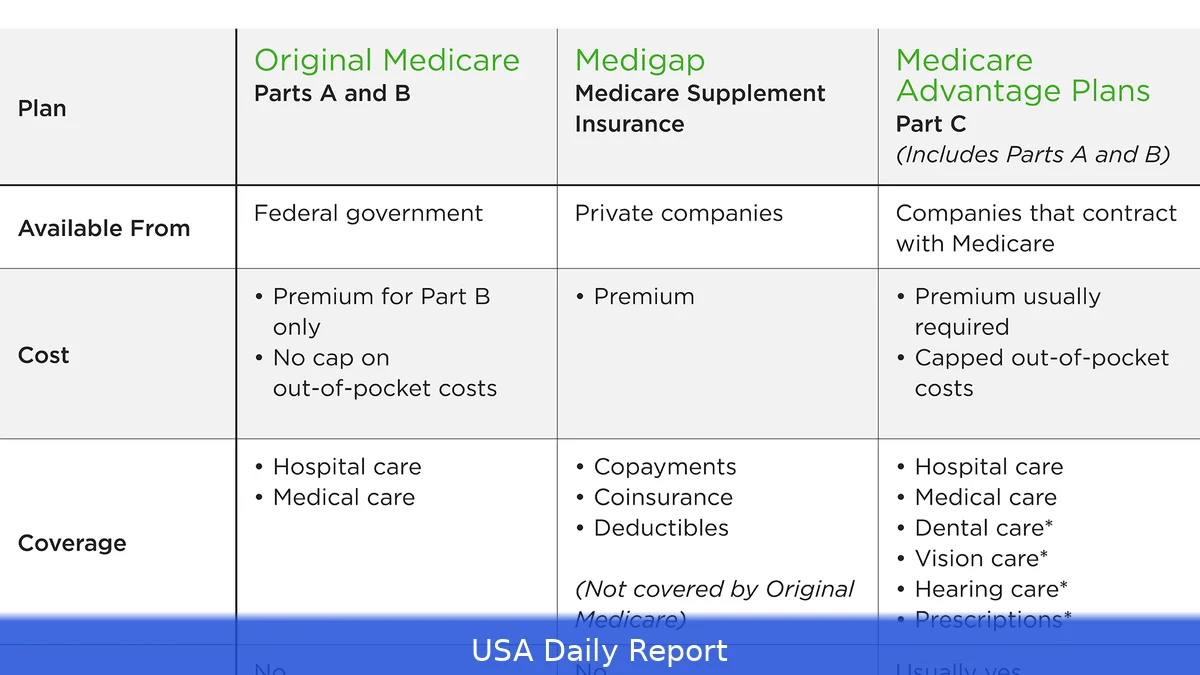
Medicare and Medicaid dental benefits can be tricky to understand. Original Medicare, covering Parts A and B, generally doesn't cover routine dental services such as cleanings, fillings, crowns, or dentures. This means beneficiaries usually pay out of pocket for these dental procedures unless they have supplemental or separate dental insurance.
Medicare Advantage plans, however, often include dental coverage bundled with medical and drug benefits. In 2025, these plans covered 35.7 million people, representing more than half of all Medicare enrollees. These plans tend to offer a range of dental services, including routine exams, cleanings, fillings, extractions, and dentures.
The cost and scope of dental coverage under Medicare Advantage vary significantly. For example, some plans charge no additional premium for dental coverage, while others add $15 to $50 per month.
Copayments and coinsurance for dental work vary as well, with certain services categorized into Band 1, Band 2, or Band 3 charges—each reflecting a different level of complexity and cost.
Band 1 services typically include basic examinations and x-rays, costing between $20 and $60 out of pocket depending on the plan. Band 2 covers treatments like fillings and root canals, with patient charges ranging from $75 to $150. Band 3 includes major work such as crowns, bridges, and dentures, which can cost $200 to $300 or more.
Medicaid dental coverage is highly state-dependent. While over 76 million Americans have Medicaid coverage in 2026, adult dental benefits vary from state to state. Some states offer comprehensive dental benefits covering exams, cleanings, fillings, extractions, and dentures. Others limit coverage to emergency dental care only. Children enrolled in Medicaid typically have more consistent dental coverage due to federal Early and Periodic Screening, Diagnostic and Treatment (EPSDT) requirements.
States with more generous Medicaid dental benefits often allocate higher funding levels—some spending more than $500 per enrollee annually on dental services. Nationally, Medicaid dental spending hit about $15 billion in 2025, reflecting both the number of enrollees and varying state policies.
Regional Differences in Dental Coverage and Costs
Dental coverage under Medicare Advantage and Medicaid is influenced by geography. States in the Northeast and West tend to have Medicare Advantage plans with broader dental benefits and lower copayments. For instance, Highmark, which operates in Delaware, New York, Pennsylvania, and West Virginia, offers plans with dental coverage that includes routine cleaning at no extra cost, plus discounted rates on dentures and crowns.
In contrast, many Southern and Midwestern states have Medicare Advantage plans with limited dental coverage or higher out-of-pocket charges. Medicaid dental benefits also vary dramatically. For example, California provides extensive adult dental coverage, including preventive and restorative services, while states like Texas and Florida limit adult dental benefits to emergency procedures.
Costs for dental services can also differ widely. Average charges for Band 1 services in urban areas may be 10-20% higher than in rural regions due to overhead and provider availability. Band 3 services like dentures can range from $1,200 to $3,000 in total cost, depending on location and provider. Medicare Advantage plans may cap annual dental benefits anywhere between $1,000 and $2,000, which influences patient out-of-pocket expenses significantly.
Forecast for Medicare and Medicaid Dental Coverage
Looking ahead to 2027, Medicare and Medicaid dental coverage will likely change. Medicare Advantage enrollment continues to grow, expected to exceed 40 million by 2027, likely increasing access to dental benefits for seniors and people with disabilities.
State Medicaid programs may expand adult dental benefits as more states respond to demand for affordable dental care. Federal funding incentives could encourage states to broaden coverage, potentially increasing Medicaid dental spending beyond $16 billion nationally by 2027.
However, dental service costs are expected to rise. Inflation and increased demand could push Band 1 charges above $65 and Band 3 services beyond $320 per procedure by 2027. Beneficiaries should anticipate reviewing their plan options annually, especially during Medicare Advantage open enrollment, which ends March 31, 2026, for the 2027 coverage year.
Experts recommend checking the specifics of dental coverage annually, as network restrictions and benefit levels can shift from year to year. Supplemental dental insurance remains an option for those on Original Medicare without Medicare Advantage plans, providing coverage for services that Medicare doesn't cover directly.
Dental coverage through Medicare and Medicaid in 2026 still varies widely depending on your plan and location. Medicare Advantage plans often include dental benefits with low premiums, but watch for network restrictions and possible benefit changes each year. Medicaid dental coverage depends heavily on your state, ranging from comprehensive to emergency-only services. Understanding Band 1, 2, and 3 dental charges can help you plan for costs whether you’re paying out of pocket or using your benefits.


