Expecting a baby in 2026? You’ll want to know how maternity pay and leave rules work. The US offers statutory maternity leave under the Family and Medical Leave Act (FMLA), but many workers rely on state programs and employer benefits to get paid time off. Here’s a breakdown of federal rules, state paid family leave, and what kind of pay you might get while you’re off.
Key Figures at a Glance
- Federal statutory maternity leave: up to 12 weeks unpaid under FMLA
- Eligibility for FMLA: 12 months tenure and 1,250 hours worked in the previous 12 months
- Average enhanced maternity pay coverage: 6 to 12 weeks, often partial pay replacing 60% to 90% of wages
- Paid Family Leave (PFL) programs available in 10 states plus Washington D.C., with wage replacement rates ranging from 60% to 90%
- Maximum weekly PFL benefits range from $840 in California to $1,500 in Massachusetts as of 2024
- Median length of maternity leave with pay across the US: approximately 8 weeks
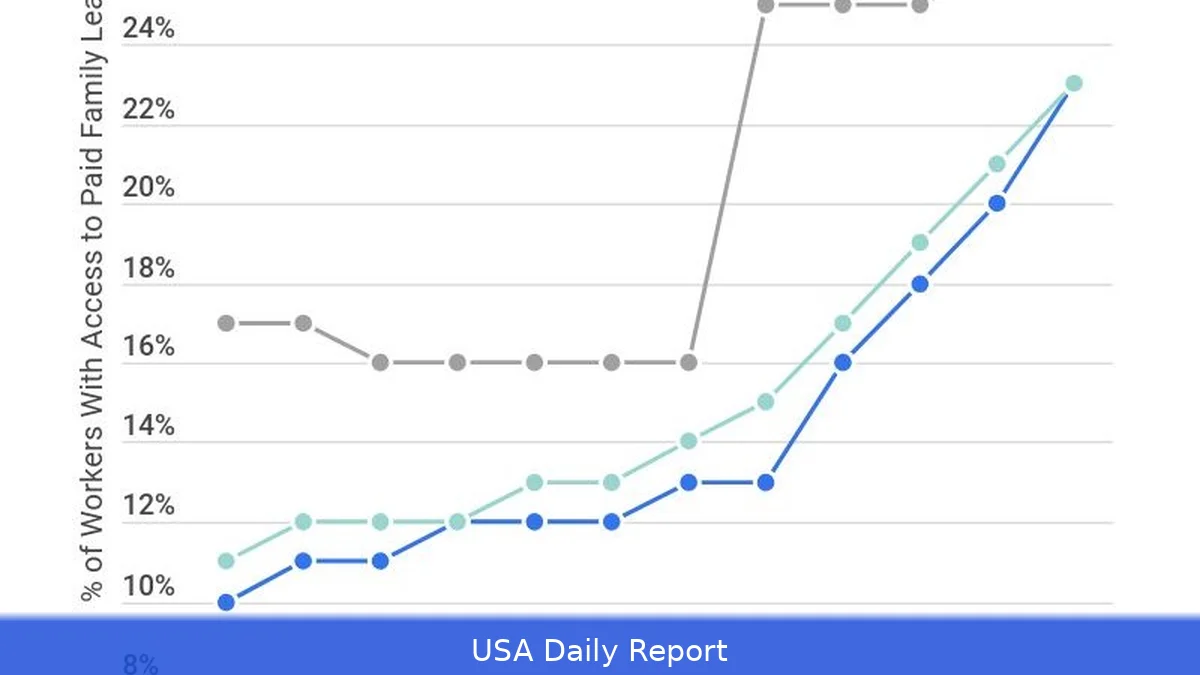
- Employer-paid maternity leave offered by 23% of US employers in 2024, up from 19% in 2020
- Average out-of-pocket maternity-related healthcare costs: between $4,500 and $6,000, varying by insurance and region
- Typical waiting period before PFL benefits start: 7 days, with some states requiring no waiting period
- Private insurance maternity coverage deductibles range from $1,000 to $3,000, with copays and coinsurance adding further costs
Statutory Maternity Leave and Pay
The federal baseline for maternity leave remains the Family and Medical Leave Act (FMLA), established in 1993. It grants eligible employees up to 12 weeks of unpaid, job-protected leave for childbirth and related medical conditions. To qualify, you must have worked for your employer for at least 12 months and clocked at least 1,250 hours over the past year. This applies only to employers with 50 or more employees within a 75-mile radius.
FMLA leave guarantees your job will be waiting when you get back, but it doesn’t guarantee any pay. That means unless your employer offers paid maternity leave or you qualify for state-paid leave programs, you’re likely to take unpaid time off during your recovery and bonding period. According to a 2023 Department of Labor report, about 60% of eligible employees take some or all of the FMLA leave, but only 22% receive pay during that time.
Smaller employers with under 50 workers don’t have to follow FMLA, so many employees miss out on federal maternity leave protections. Plus, eligibility rules exclude many part-time workers and those who recently changed jobs.
Enhanced Maternity Pay and State Paid Leave Programs
You’ll usually find enhanced maternity pay through your employer’s policies or state programs. Over the last decade, several states introduced Paid Family Leave (PFL) programs that offer partial wage replacements during maternity leave, helping parents afford time off.
Currently, 10 states plus Washington D.C. Have active PFL programs. They vary in how long they pay and what percentage of wages they replace. Here’s a snapshot of some key programs as of 2024:
- California: Up to 8 weeks of benefits, paying between 60% and 70% of wages based on income, with a maximum weekly benefit of $840.
- New York: Provides up to 12 weeks of leave, replacing up to 67% of wages, capped at $1,068 per week.
- New Jersey: Offers 12 weeks at 66% of wages, with a max weekly benefit of $903.
- Rhode Island: Pays up to 5 weeks at 60% of wages, with a weekly maximum of $852.
- Massachusetts: Provides up to 12 weeks of paid family leave with wage replacement rates of 80% for lower earners and 50% for higher earners, capped at $1,500 per week.
- Washington State: Up to 12 weeks at 90% wage replacement for incomes below the state average wage, with a maximum weekly benefit of $1,250.
These programs usually have a short waiting period, typically 7 days, before benefits kick in, though some states waive this for maternity leave. They’re funded by payroll taxes, often split between employers and employees.
Employer maternity benefits also vary widely. In 2024, 23% of US employers offered some form of paid maternity leave, a slight increase from 19% in 2020, according to the Society for Human Resource Management. Larger companies and those in tech or finance sectors are more likely to provide paid leave, often ranging from 6 to 12 weeks, sometimes at full pay.
Maternity-Related Healthcare Costs
Besides leave pay, pregnancy and childbirth healthcare costs can hit your wallet hard. For 2024, the average out-of-pocket cost for maternity care ranges from $4,500 to $6,000, depending on insurance coverage, deductibles, and the type of delivery.
Private insurance deductibles for maternity care usually fall between $1,000 and $3,000, with additional copays for prenatal visits, ultrasounds, and hospital stays. For example, vaginal delivery averages $3,500 to $5,000 out-of-pocket after insurance, while cesarean sections can push costs above $6,000.
Medicaid covers about 42% of births in the US and generally limits out-of-pocket expenses, which reduces financial strain for low-income families. However, those with private insurance often face higher costs, especially if their plan has high deductibles or limited maternity coverage.
Regional Differences in Maternity Leave and Pay
Maternity leave benefits vary a lot depending on where you live. States with PFL programs cluster mainly on the West Coast and Northeast, while many Southern and Midwestern states offer no state-level paid family leave.
For example:
- West Coast: California and Washington offer generous PFL benefits, with wage replacements up to 90% and weekly max benefits over $1,200.
- Northeast: New York, Massachusetts, New Jersey, and Rhode Island provide 5 to 12 weeks of paid leave, with benefits replacing 60% to 80% of wages.
- Midwest and South: Most states don't have paid family leave. Workers rely on unpaid FMLA leave or employer policies. Some states like Illinois have recently passed PFL laws that will start in 2025 or 2026.
Costs and access to healthcare also differ by region. Out-of-pocket maternity costs tend to be higher in the South and West compared to the Northeast, partly due to differences in insurance markets and hospital charges.
Forecast for Maternity Pay and Leave in 2026
Looking ahead to 2026, maternity leave policies are expected to keep evolving. More states are expanding or launching Paid Family Leave programs. Illinois and Colorado, for example, have approved PFL laws scheduled to start by 2026, adding benefits for hundreds of thousands more workers.
Employer-paid maternity leave is also trending up. Surveys predict that by 2026, around 30% of employers may offer paid maternity leave, driven by competition for talent and growing awareness of work-life balance.
Federal lawmakers continue to discuss expanding paid family leave nationwide, but as of mid-2024, no new federal paid leave law has been passed. Any future federal program would likely set minimum standards and funding mechanisms, potentially increasing pay and leave duration for millions.
Healthcare costs related to maternity care may also rise with inflation and medical advances, making paid leave and insurance coverage more critical for families.
Overall, if you’re planning for maternity leave in 2026, expect to rely on a patchwork of federal, state, and employer policies. Knowing the specifics where you live and work will help you prepare financially and logistically for welcoming a new baby.
If you’re planning for maternity leave in 2026, know that unpaid FMLA leave is the federal baseline, but many states and employers offer paid options. State programs vary widely in length and pay—from 5 to 12 weeks and 60% to 90% wage replacement. Employer-paid leave is growing but still covers less than a quarter of workers. Healthcare costs remain a big factor, with out-of-pocket expenses averaging $4,500 to $6,000. Watch for new state programs launching soon, especially in Illinois and Colorado, and keep an eye on national policy developments that could change the landscape. Planning ahead means knowing your rights, benefits, and costs to take the time you need without losing pay or job security.


