
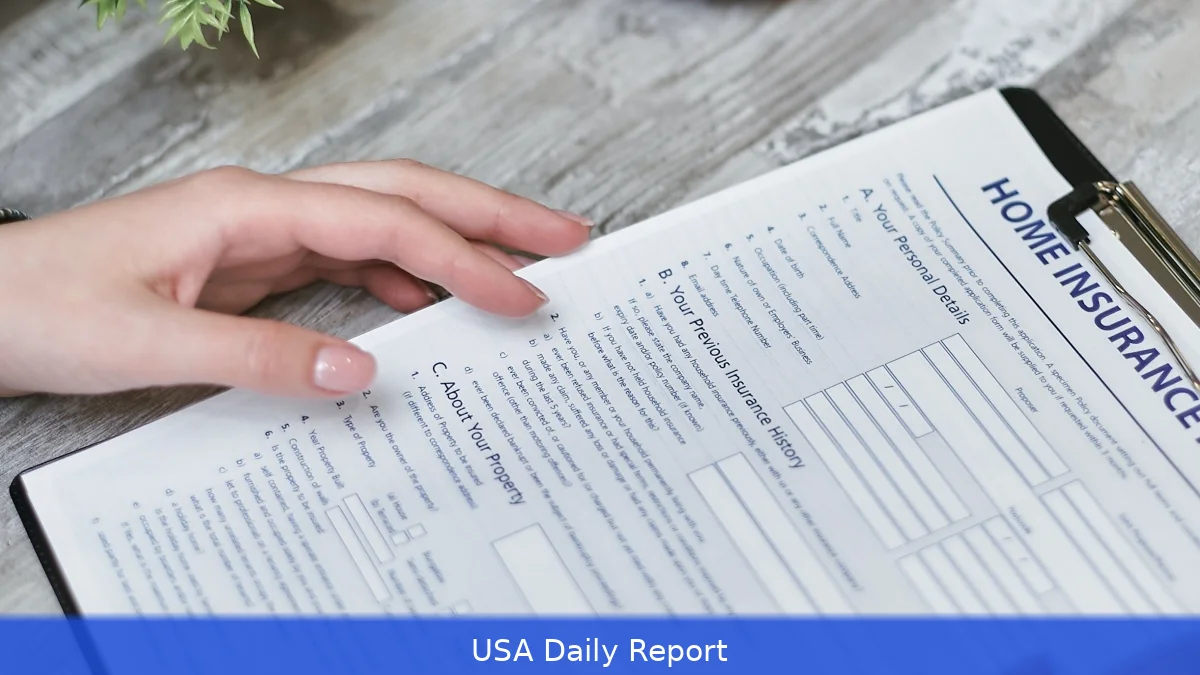
Homeowners in the U.S. Face rising costs in both building and contents insurance in 2026. Knowing what sets these two insurance types apart can help you avoid extra costs and hassle. Here’s what you need to know to make the best choice for your home and belongings this year.
Quick Comparison Summary
- Building Insurance: Covers structure and permanent fixtures, with an average cost of $2,490 per year nationwide in 2026.
- Contents Insurance: Protects personal belongings inside the home, with costs varying widely depending on coverage and location.
- Average Premium Increase: Building insurance premiums are expected to rise another 4% in 2026, following a sharp 12% jump in 2025 due to inflation and increased claims from extreme weather events.
- Bundling Discounts: Many insurers, including State Farm and Allstate, offer discounts up to 25% when customers bundle building and contents insurance policies.
- Key States Impacted: Florida faces the highest average building insurance costs at $8,500 per year, driven by hurricane risks. States like Oklahoma and Nebraska also have some of the highest overall insurance premiums due to tornado and hail exposure.
1. Building Insurance
Building insurance covers your home's structure—walls, roof, floors, and anything permanently attached. This type of insurance is vital for covering damage caused by fires, storms, vandalism, and other perils.
Key Features: Coverage typically includes the main dwelling, detached garages, sheds, fences, and sometimes landscaping. It covers repair or total rebuilding costs up to the policy limit, factoring in current construction prices and materials.
In 2026, average building insurance premiums across the U.S. Stand at about $2,490 per year, but costs vary widely.
For instance, State Farm offers competitive rates averaging $2,415 annually for large homes, while in Florida rates can soar to $8,500 due to hurricane exposure.
Pros: Most lenders require building insurance before approving your mortgage. It protects homeowners from the financial burden of costly repairs or total loss due to natural disasters or accidents. Especially with rising construction costs and labor shortages pushing rebuilding expenses higher, having this coverage provides essential peace of mind.
Cons: Premiums have increased sharply over recent years, up 46% since 2021 nationwide. High-risk regions like Florida and coastal states face especially steep hikes. Also, deductibles can be costly, and some perils like flood or earthquake damage often require separate policies.

Best For: Homeowners who want to protect their property structure, including permanent fixtures and attached buildings, from many risks. Also crucial for those with mortgages or in disaster-prone areas.
Pricing: The national average is $2,490 per year in 2026, but premiums range from under $1,000 annually in low-risk states to over $8,500 in Florida. Discounts for bundling, security systems, and claims-free history can reduce costs.
2. Contents Insurance
Contents insurance covers your personal belongings inside the home — everything from furniture and electronics to clothing and valuables. This insurance protects against theft, fire, accidental damage, and certain natural disasters.
Key Features: Contents coverage reimburses the cost to repair or replace lost or damaged items up to the policy limit. Many policies allow you to schedule high-value items like jewelry or collectibles separately for higher coverage.
Costs for contents insurance vary based on coverage limits, location, and home size. The average premium ranges from $300 to $1,000 annually, with higher rates in urban areas or homes with expensive belongings.
Pros: Contents insurance helps cover your personal stuff, so replacing it won’t break the bank or cause headaches. It’s especially important in areas with higher crime rates or natural disaster risks. Policies often include coverage for accidental damage and loss outside the home, such as stolen luggage.
Cons: Coverage limits may not fully cover very expensive items unless you purchase additional endorsements. Some policies have restrictions or high deductibles for certain types of claims. Also, contents insurance doesn't cover the building structure itself.
Best For: Renters and homeowners wanting to protect their personal belongings from theft, damage, or loss. Ideal for anyone with valuable items or those living in areas prone to burglary or natural disasters.
Pricing: Typical premiums range from $300 to $1,000 per year. Adding coverage for expensive items or opting for replacement cost coverage raises premiums. Bundling with building insurance can save up to 25%.
Building and contents insurance protect different parts of your home life—the house itself and the things inside. Both types of coverage are increasingly important as premiums rise due to weather-related risks and climbing rebuilding costs. Shopping around, comparing quotes, and bundling policies can help you manage these expenses while protecting your home and valuables.
This article was created with AI assistance.


