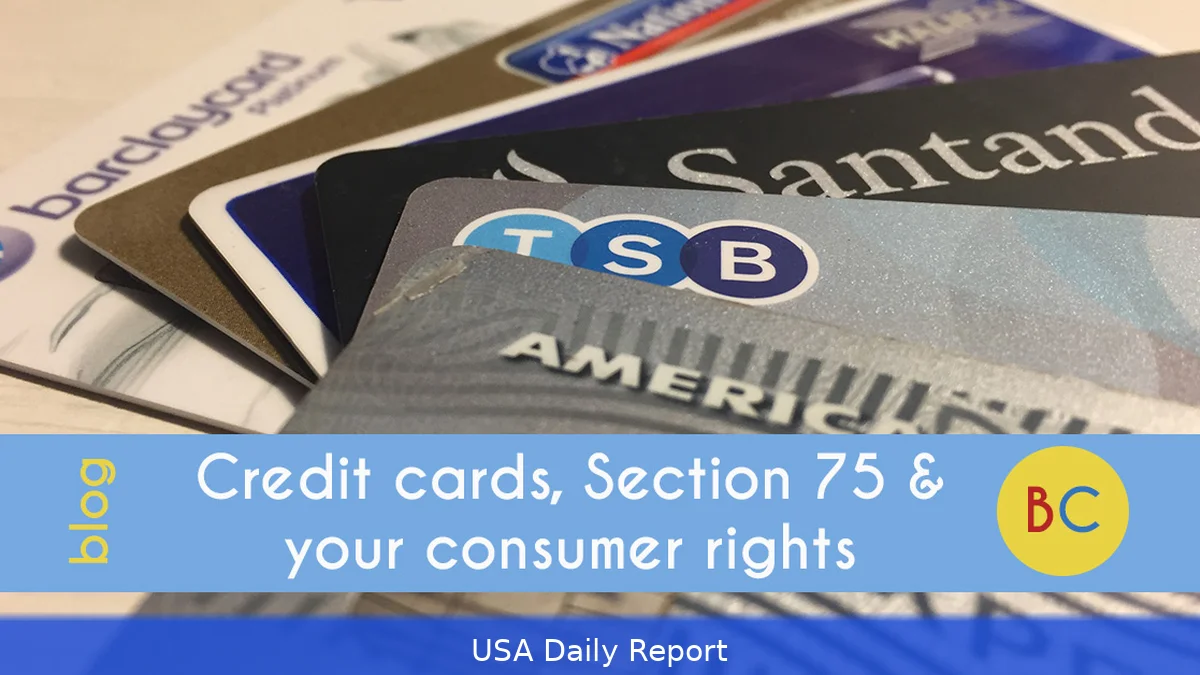
Lots of people worry about what happens if a big credit card purchase goes wrong. Section 75 protection acts like a safety net if your purchase falls through. While this UK law doesn’t apply in the US, many American credit cards offer similar protections to help you get your money back if your purchase falls through. This guide breaks down how these protections work in 2026 and how you can claim refunds.
What Is US Credit Card Section 75 Protection?
Section 75 protection is a UK law that requires credit card companies to share legal responsibility with the seller if something goes wrong with a purchase costing over £50 (around $60). While this exact law doesn’t exist in the US, many Americans look for similar safety nets when using credit cards. In the US, these protections usually come in the form of chargeback rights or purchase protection programs offered by credit card issuers.
Think of these protections as a backup plan. Imagine you buy a $500 laptop online, but it never arrives or it’s defective. Instead of chasing the seller, your credit card company can step in and help you get your money back. This works because credit card companies want to keep customers happy and maintain trust in their cards.
These protections cover many types of purchases, especially those over $50 or $100. They’re particularly useful for big-ticket items like electronics, furniture, travel bookings, and home appliances.
If the product is faulty, the service isn’t delivered, or the company goes out of business before fulfilling your order, you may be eligible for a refund through your card issuer.
US credit card protections also often include benefits like extended warranties, price protection (which refunds the difference if the item’s price drops shortly after purchase), and coverage for theft or damage shortly after buying.
How Does It Work in 2026?
In 2026, US credit card purchase protections continue to be a valuable tool for consumers but vary widely depending on the card issuer and card type. Unlike the UK’s Section 75, these protections aren’t guaranteed by law but are part of the cardholder agreement you accept when you get the card.
Here are some key points about how these protections generally work:
- You usually have a limited time to report problems with a purchase. Most cards require you to file a claim within 120 days (roughly four months) from the purchase date.
- The purchase amount covered typically ranges from $100 up to $10,000 per claim, depending on the card and issuer.
- To file a claim, you’ll need proof of purchase, such as receipts or credit card statements, along with any correspondence with the seller. Some issuers also ask for photos if the item is damaged.
- Many cards also offer extended warranties, which lengthen the manufacturer’s warranty by up to a year or more. Some provide price protection, reimbursing you if the price drops within a certain period after purchase.
For example, Synchrony Financial, which handled $49 billion in purchase volume in 2025, offers purchase protection that covers theft, damage, and faults up to $1,000 per claim on many of its cards. Chase and American Express also provide robust purchase protection programs, but their coverage limits and claim procedures differ. Discover cards commonly offer purchase protection covering up to $500 per item, with claim filing windows up to 90 days.
Make sure to read your card’s terms carefully. Some cards exclude certain items like vehicles, real estate, or services. Others might require you to try to resolve the issue with the seller before filing a claim.
Why Does It Matter?
Buying expensive items can be stressful, especially when you worry about scams, faulty products, or companies going out of business. Credit card purchase protections act like a safety net, giving you peace of mind that you won’t lose your money if something goes wrong.
These protections also encourage sellers to be honest and deliver quality products, knowing customers have recourse if they don’t. Without them, consumers might hesitate to make big purchases or shop online.
In 2025, US consumers filed millions of claims for purchase protection, showing how much people rely on these safeguards. For example, American Express reported that its purchase protection program helped customers recover over $150 million in refunds last year alone.
With these protections, you can shop without worrying as much. If your $2,000 TV arrives broken or your $3,500 vacation is canceled without refund, your credit card company can help recover your funds — often faster and with less hassle than going through courts or disputing with sellers directly.
How to Get Started Claiming Refunds in 2026
To use your credit card’s purchase protection, start by understanding your card’s specific policy. Look for the "purchase protection" or "chargeback" section in the cardholder agreement, which you can usually find on the issuer’s website. Some companies also provide brochures or customer service reps who can explain benefits.
If something goes wrong with a purchase, act quickly. Most cards require claims within 120 days, so don’t wait too long. Here’s a step-by-step guide:
- Keep all receipts and documentation when you buy something, including emails or chats with the seller.
- Try to resolve the issue directly with the seller first — many cards require this before stepping in.
- If the seller won’t help or the product is faulty, contact your credit card company’s customer service. They’ll explain how to file a claim.
- Submit all required documents, such as proof of purchase, correspondence, and photos of damaged items if needed.
- Follow up regularly and keep copies of everything you send.
Claims can take anywhere from a few weeks to a couple of months to process, depending on the issuer and complexity of the case.
Remember, not all purchases qualify. Services, digital goods, or items purchased with debit cards might have different or no protections. Always check your card’s fine print.
Common Questions About US Credit Card Purchase Protections
Is Section 75 protection available in the US?
No. Section 75 is a UK law. In the US, you rely on credit card purchase protection and chargeback rights provided by your card issuer.
How much can I get refunded?
Refund limits vary. Many cards cover up to $10,000 per claim, but some cap it at $500 or $1,000. Check your card’s terms.
Do all credit cards offer purchase protection?
Most major credit cards do, but coverage levels and terms vary widely. Some prepaid or secured cards might not offer these benefits.
How long do I have to report a problem?
Typically, 120 days from the purchase date, though some cards have shorter windows like 90 days.
What types of purchases are covered?
Usually tangible goods and some services. Exclusions often include real estate, vehicles, cash advances, or digital goods.
Can I use purchase protection if I paid with a debit card?
Usually no. Debit cards have weaker protections, so credit cards are better for big purchases.
What if the seller goes bankrupt?
Purchase protection can help recover your money if the seller can’t deliver because of bankruptcy.
Are there any fees for filing a claim?
Most issuers don’t charge fees, but check your card’s policy.
US credit card purchase protections in 2026 act like a safety net for your money when purchases go wrong. Knowing how to claim refunds and what to expect can save you headaches and cash. Check your card’s terms today so you’re ready if you ever need to use these protections.


