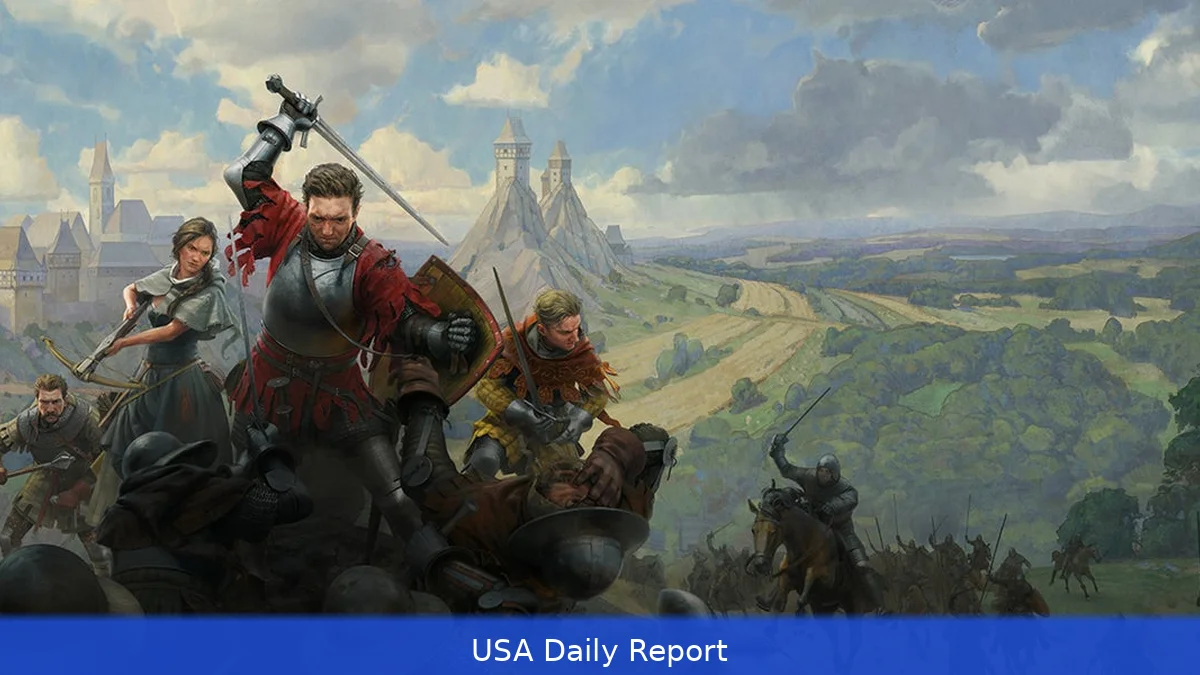
Max Hejtmánek, who worked as a Czech-to-English translator for Warhorse Studios on Kingdom Come: Deliverance 2, says he was fired and replaced by artificial intelligence. The move, he claims, was part of a cost-cutting effort by the studio.
Translator Out, AI In
On March 27, Max Hejtmánek, a translator who had spent more than three and a half years at Warhorse Studios, was abruptly told his job was no longer needed. The reason? The company plans to use AI for all translation work going forward.
Hejtmánek shared his experience on the Kingdom Come subreddit, where moderators verified his employment history. He explained that despite ongoing discussions about AI translation at the company, he never imagined it would lead to losing his position.
"I feel incredibly betrayed by the management," Hejtmánek wrote. "I cared deeply about this company and my colleagues. To be told my role was obsolete was a shock."
He described the decision as part of an effort to "make the company more effective" and "save finances." Hejtmánek was vocal in opposing the use of AI for translation before, fearing it could undermine quality and job security.
AI’s Growing Role in Game Development
Warhorse Studios isn’t alone in turning to AI to cut costs. The video game industry has seen a surge in adopting AI tools across various stages of development, from art generation to coding assistance.
For instance, Pearl Abyss, developer of Crimson Desert, recently admitted to using AI for early-stage 2D visual props, sparking debates about transparency and ethics in game creation.
Daniel Vávra, co-founder of Warhorse, has talked about AI tech and said it might let games be translated and dubbed into many languages right when they launch. This aligns with the studio’s current pivot, but makes people wonder about Balancing efficiency and preserving human creativity and nuance.
The Human Cost Behind AI Automation
Hejtmánek’s experience shows how switching to AI can really affect the people working in these studios. While AI can speed up processes and reduce expenses, it can also displace skilled workers who have spent years honing their craft.
He urged fans not to harass Warhorse employees or review-bomb the studio’s games, emphasizing he wants the community to understand the impact AI has on workers in the gaming industry and beyond.
"The growing use of AI affects many people," he said. "I want gamers to realize how much the companies they support value their employees—and the environment."
Replacing a translator with AI raises questions about how well the translations will hold up, especially when it comes to culture and quality over time.
What This Means for Future Games
Warhorse hasn’t publicly commented on Hejtmánek’s claims yet. But if AI-driven translation becomes the norm, future titles might see faster localization but potentially less polish or subtlety in language.
It’s unclear what projects Warhorse has lined up next, but fans may want to watch for AI usage disclosures or lack thereof in upcoming releases.
With AI changing how games get made, studios have to figure out how to keep innovating, save money, and still deliver great quality.
Hejtmánek’s firing shows a bigger trend in game development where studios are rethinking how they handle their people and new tech. It’s still unclear if AI can take over translation without losing what makes a game special.


