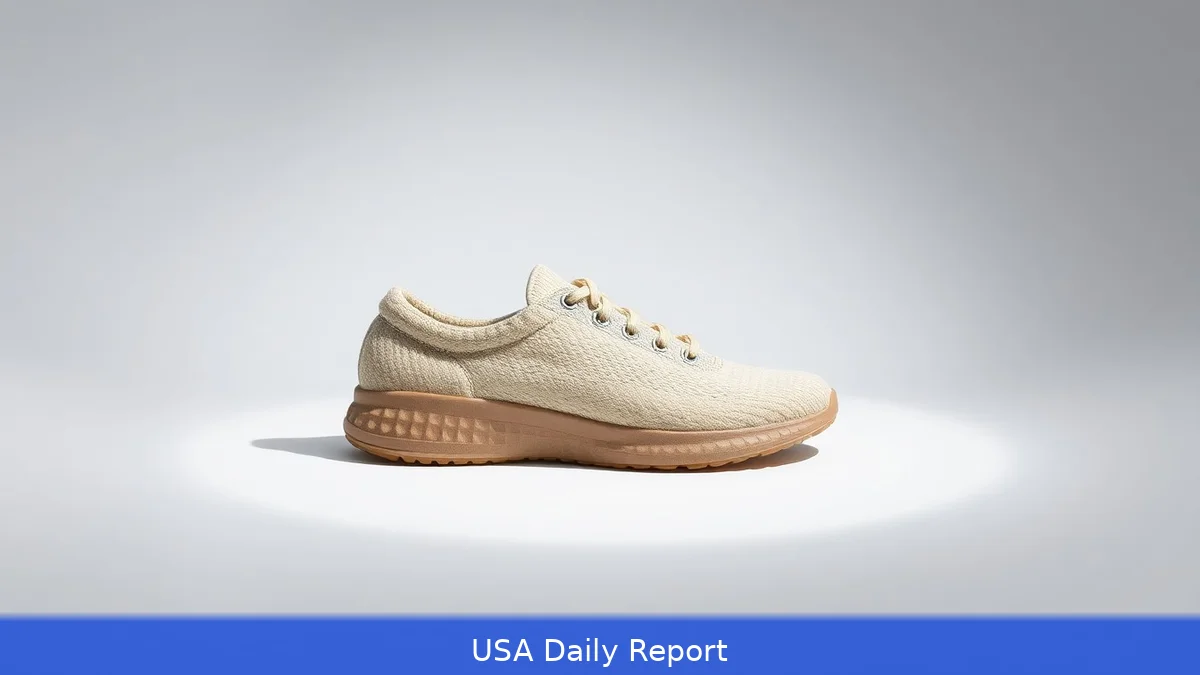
Allbirds, once the darling of Silicon Valley’s eco-conscious crowd and celebrities alike, is now selling its assets for just $39 million. The San Francisco-based sneaker startup's fall is dramatic, given its peak valuation of $4 billion.
From IPO Stardom to Struggling Brand
Back in 2021, Allbirds was riding high. Its initial public offering drew plenty of attention, reflecting the hype around its sustainable, wool-made sneakers. It wasn’t just tech insiders buying in — the brand attracted a wide audience, from soccer moms to former President Barack Obama. Even Hollywood took notice, with stars like Leonardo DiCaprio investing and others such as Hilary Duff and Jennifer Garner spotted wearing the shoes.
The company’s co-founders, engineer Joey Zwillinger and ex-professional soccer player Tim Brown, launched Allbirds in 2016 with a clear mission: offer high-quality, eco-friendly shoes that customers would willingly pay a premium for. Their Wool Runner sneaker was quickly hailed as exceptionally comfortable, earning praise from Time magazine.
But the honeymoon didn’t last. As Allbirds expanded its product line beyond its wool sneakers, the new releases failed to capture customers. A wool legging designed for exercise, for example, ended up being see-through and was pulled from shelves after about a year.
Consumer Demand vs. Sustainability Focus
Allbirds' commitment to sustainability was a key selling point. Leonardo DiCaprio, known for his environmental activism, backed the company early on. The brand also pledged to donate returned shoes to charity.
But shoppers didn’t seem to care as much about the eco-friendly aspect as the company hoped.
Customers complained about the shoes wearing out faster than anticipated. The brand’s eco-friendly mission didn’t translate into lasting loyalty or strong repeat sales. Neil Saunders, managing director at GlobalData Retail, pointed out that the company focused too much on sustainability and not enough on what customers actually wanted. Style and durability, he suggested, got short shrift.
Meanwhile, Allbirds' efforts to boost growth came with growing pains. The company tried to expand quickly, but that strategy backfired. Instead of thriving, the brand struggled to maintain its initial buzz.
Sale Marks a Dramatic Decline
On Monday, Allbirds suddenly canceled its upcoming earnings call and announced it would sell its intellectual property and certain assets to American Exchange Group, which owns brands like Ed Hardy and Aerosoles. The sale price? $39 million — roughly one-eighth of the $301 million it raised at its IPO five years ago.
This deal shows just how far Allbirds has fallen from its $4 billion peak valuation. Investors and fans alike are left to wonder how a brand that seemed poised to disrupt the footwear industry could stumble so hard.
One problem was that the company focused too narrowly. By chasing rapid expansion and sticking too rigidly to sustainability, Allbirds missed the chance to broaden its appeal through style and wholesale partnerships. That could have helped it compete better with direct-to-consumer rivals like Warby Parker.
The sneaker market remains tough and unpredictable. Consumers demand products that deliver comfort, durability, and style — along with any environmental benefits. Allbirds' story shows how tough it's to balance those elements and grow a brand sustainably.
Allbirds’ story raises questions about what it really takes to build a lasting direct-to-consumer brand today. Whether the new owners can revive this once-popular startup remains to be seen.


