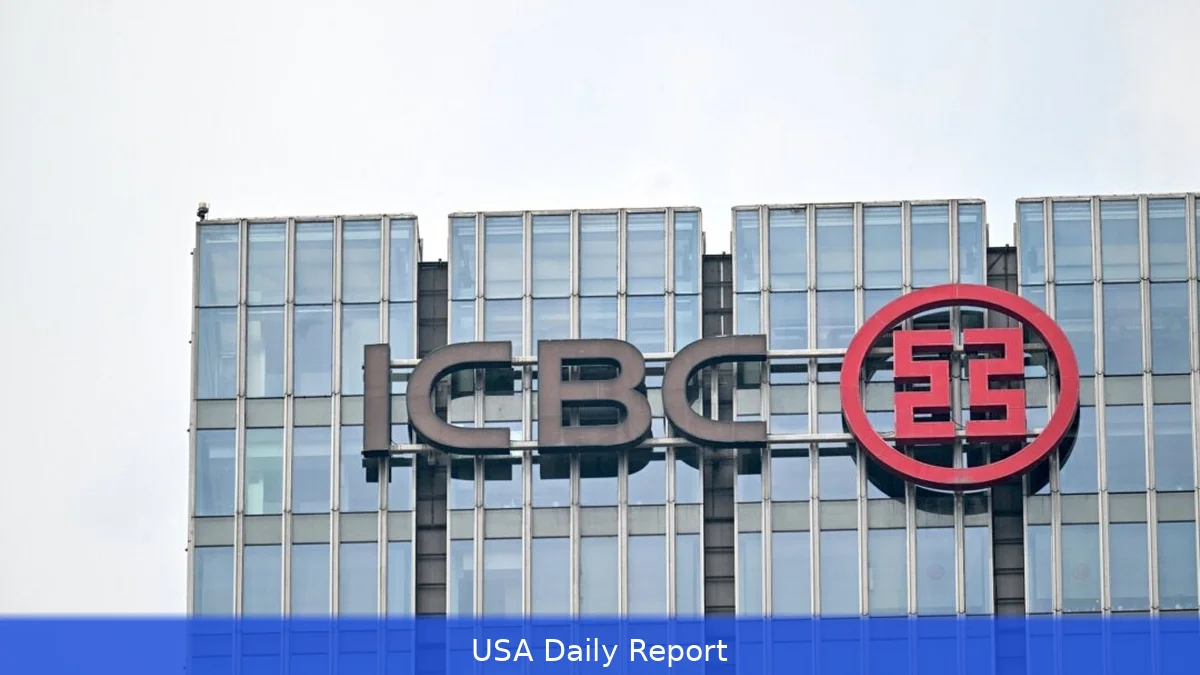
Chinese banks expect better earnings in 2026 after facing squeezed profit margins for years. Almost $8 trillion in high-interest time deposits will mature soon, and banks plan to reprice them at lower rates to reduce their costs.
Profit Margins Under Pressure
China’s top state-owned banks have struggled with shrinking profit margins in recent years. The main culprit: a series of rate cuts and sluggish credit demand that forced lenders to operate with tighter revenue streams. Some of the world’s largest banks, including Industrial and Commercial Bank of China (ICBC) and China Construction Bank, posted falling profits in 2025 amid a deepening property debt crisis and a slowing economy.
ICBC’s profit will probably drop by about 2%, while China Construction Bank’s may fall slightly by 0.4%, according to market data. Even with these setbacks, Agricultural Bank of China managed a modest 2.3% profit growth, though slower than previous years. Bank of China and Bank of Communications showed less than 1% growth, reflecting the tough environment for lenders.
Deposit Repricing Offers Relief
The big change is coming in 2026. Nearly 54 trillion yuan, or about $7.8 trillion, worth of three-year time deposits will mature. These deposits currently carry high interest rates set years ago. Regulators have gradually lowered deposit rates over the past four years to help banks protect their profit margins. When these deposits roll over at the newer, lower rates, banks’ funding costs will fall sharply.
Zhang Yiwei of China Galaxy Securities estimates that the repricing will cut deposit costs by roughly 135 basis points compared to 2023. That could boost banks’ net interest margins by about 12 basis points overall—a meaningful lift after years of pressure. S&P Global Ratings’ Ming Tan believes this margin relief will stabilize earnings by 2027.
Strategic Moves Amid Margin Squeeze
Some banks have already adjusted product offerings to control funding costs. For example, several big lenders stopped issuing five-year certificates of deposit with high yields last year. These certificates had been popular but costly to maintain when margins were thin.
Removing them eased some pressure but also limited banks’ options to attract deposits.
This repricing happens at a crucial moment for the banks. China’s benchmark lending rates have been cut multiple times over recent years to stimulate the economy, but credit demand remains weak. That has squeezed net interest margins—one of the key profitability gauges for banks—to historic lows.
Looking Ahead: Modest Growth Expected
Despite tough conditions, analysts expect a modest rebound in profits this year. Three of the top five state banks could see net profit growth between 2.3% and 3.3% in 2026. Bank of China and Bank of Communications are projected to grow below 2%, reflecting ongoing challenges. The property sector’s debt issues and external pressures like rising inflation risks linked to geopolitical events also cloud the outlook.
But the deposit repricing provides some relief. It’s a key factor expected to help banks recover from record-low margins and improve earnings stability. While growth won’t be dramatic, it’s a sign that China’s banking sector may be turning a corner after years of headwinds.
This might also impact other areas. Stronger bank profits may boost investor confidence and support stock market gains in China. For now, the focus stays on how banks manage costs while dealing with an uncertain economic backdrop.
The repricing of nearly $8 trillion in time deposits is set to ease funding costs for China’s banks, helping them shake off some of the profit pressure that has weighed on them in recent years.


