Diesel and petrol prices have been rising sharply in Germany, which is making the government rethink its position on nuclear energy. Katherina Reiche, Germany's economy and energy minister, has labeled the country’s nuclear phase-out a 'huge mistake' as energy prices climb and economic pressures mount.
Energy Prices Spike Amid Geopolitical Tensions
At the recent CERAweek energy conference in Houston, Texas, Reiche highlighted how fuel prices in Germany have jumped sharply. Diesel, petrol, and jet fuel costs are climbing, creating strain on consumers and businesses alike. While there’s currently no immediate shortage in fuel supplies, she warned that if the ongoing conflict in Iran persists, scarcity could hit by spring, potentially in April or May.
Germany’s economy, still recovering from earlier setbacks, is feeling more pressure as energy costs climb. "The longer this crisis drags on, the more it will weigh down our economic recovery," Reiche said. Rising fuel prices don’t just pinch households—they ripple through industries that rely on affordable, stable energy to stay competitive.
Reconsidering the Nuclear Phase-Out
Reiche pointed to Germany’s energy policy decisions over the last decade as a root cause of vulnerability. The country phased out coal to meet climate targets, and also committed to shutting down nuclear power plants. Looking back, she called the nuclear phase-out "a huge mistake." For years, nuclear power supplied around 20 gigawatts of CO2-free electricity at affordable prices. That energy is now gone.
Germany used to get about a quarter of its electricity from nuclear plants. But after the Fukushima disaster in Japan in 2011, the government accelerated plans to shut down nuclear reactors. Eight units closed immediately that year, including Biblis A and B, Brunsbüttel, and Isar 1.
Only a few plants like Brokdorf and Grohnde remain operational, with plans to retire them soon.
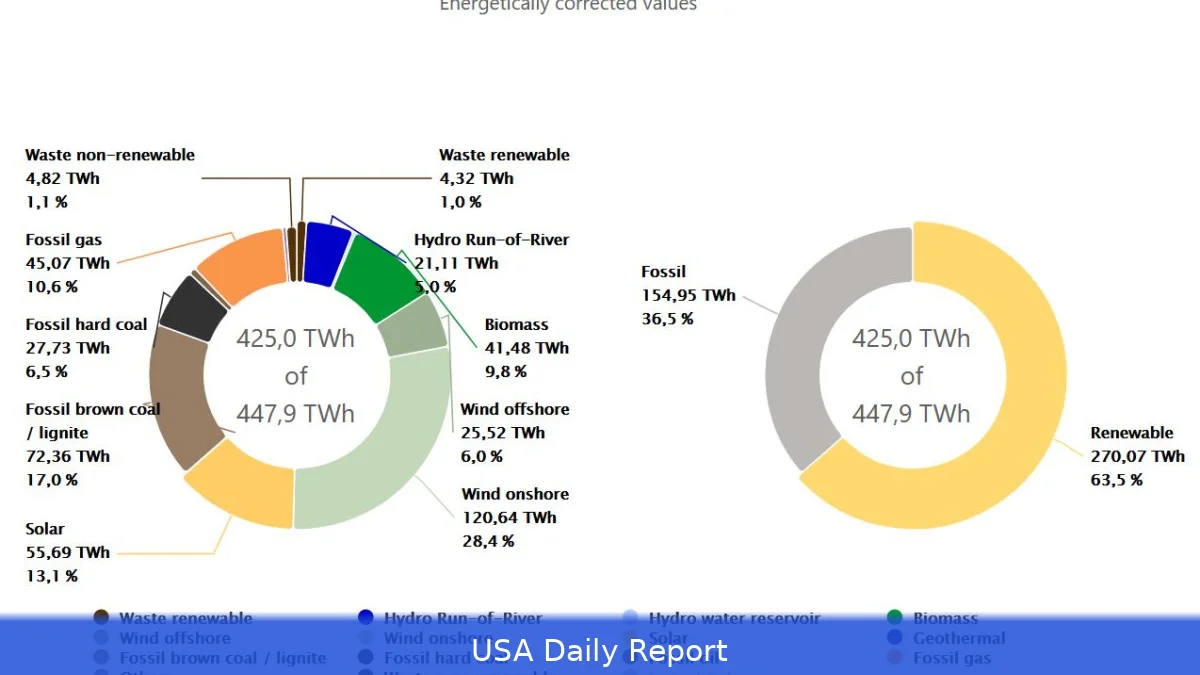
Now, Reiche says it’s time for a correction. "We can’t give up our sustainability goals," she stressed, "but we have to balance affordability, abundant energy, and security of supply." The shift away from nuclear has left Germany more dependent on natural gas, much of which comes from geopolitically unstable regions. That dependence is a structural risk—one that’s showing its cracks as global conflicts interrupt energy flows.
Energy Security and Industrial Competitiveness at Risk
Germany's industrial sector, a backbone of the economy, needs reliable and affordable energy to stay competitive globally. Reiche warned that if energy prices remain high and supply uncertain, German industry could suffer. "We want to keep our industrial base strong," she said. "That means competitive energy prices have to be part of the picture."
The minister also criticized the European Union’s focus on the Green Deal and the so-called "green premium," suggesting these policies have hurt competitiveness. "We underestimated the cost side," she said. "That was a mistake we have to fix." Leaders from Germany, France, and Italy are pushing for reforms to cut regulations and restore competitiveness. The European Commission appears to be warming up to the idea, but Reiche warned the process is slow and needs to speed up.
Calls for Diversification and Resilience
Reiche highlighted that the crisis shows just how vulnerable global energy supply chains can be. When conflicts flare in key regions, energy prices spike and economic risks multiply. Germany’s answer is to diversify its energy sources and build resilience into its policy framework. That means combining supply security, affordability, and sustainability rather than prioritizing one at the expense of others.
Her call for policy changes suggests Germany might be shifting its energy plans. The debate over nuclear power’s role—once shelved outright—is now back on the table. It's unclear if policymakers will move fast enough to protect the economy, but the pressure is definitely building.
Reiche’s comments reveal a growing sense of urgency in Germany’s energy debate. If energy prices keep climbing and supply risks persist, the country may have to rethink decades of policy decisions—starting with its nuclear phase-out.


