Australia just took a big step to strengthen its foothold in the global rare earths market. The government passed a law that allows trading and stocking of fuel alongside rare earth elements—a move that could shake up supply chains long dominated by China.
Rare Earths: Australia’s Growing Role
Australia is already a heavyweight in the rare earths sector, ranking fourth globally in both reserves and production. The country holds about 5.7 million tonnes of rare earth elements, trailing behind China’s massive 44 million tonnes but ahead of Brazil and India. Production numbers tell a similar story. Out of the roughly 390,000 tonnes mined worldwide in 2024, China produced 270,000 tonnes—70% of the total. Australia chipped in with 13,000 tonnes, largely from Lynas Rare Earths’ Mt Weld mine in Western Australia.
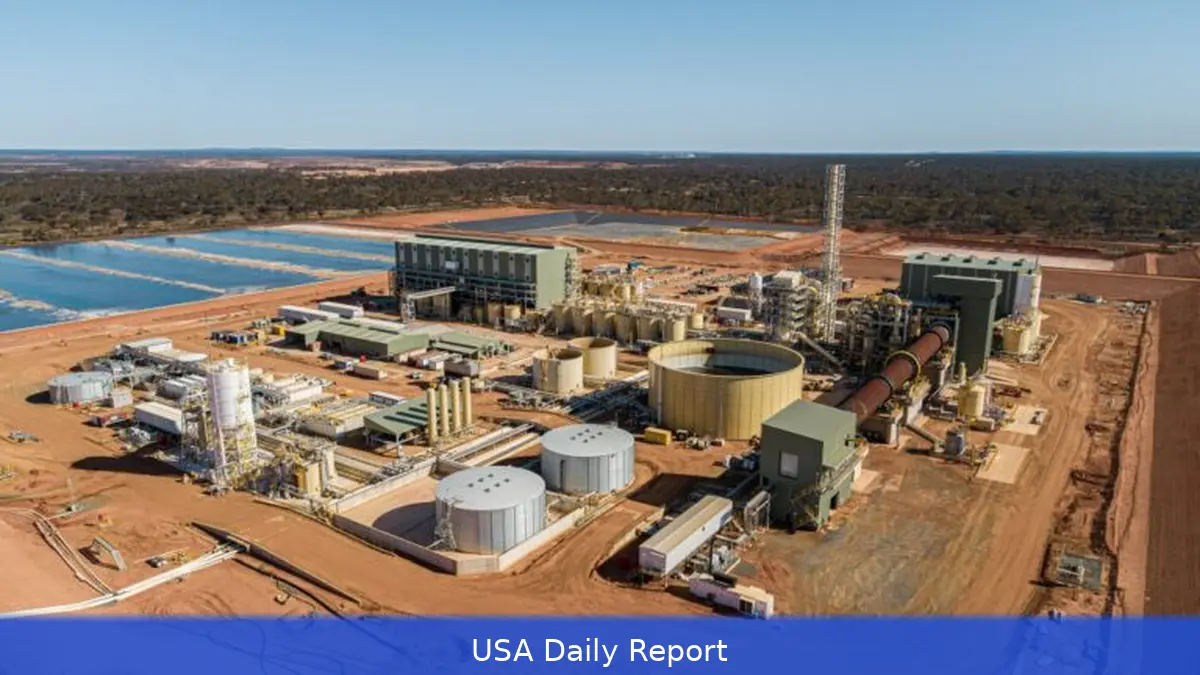
Lynas stands out as the only major producer of separated rare earth materials outside China. Its Mt Weld mine boasts an estimated 106.6 million tonnes of resource material, with an average grade of 4.12% total rare earth oxide (TREO). The mine produces concentrate that's processed at Lynas’ Kalgoorlie facility, the first of its kind in Australia, before being sent to their advanced materials plant in Malaysia.
Recently, Lynas achieved a milestone by producing dysprosium oxide at its Malaysian plant—an important heavy rare earth element used in high-performance magnets. CEO Amanda Lacaze emphasized that this production strengthens supply chain resilience and offers customers an alternative to Chinese sources.
New Law Enables Fuel and Stock Trading Alongside Rare Earths
The new Australian law adds fuel and stock trading to the rare earths market framework. This legal update aims to help smoother transactions and better stock management of these critical materials and related fuels.
Australia hopes this will attract investment and speed up production, helping meet rising global demand.
Rare earths are vital for a range of technologies—from smartphones and electric vehicles to military hardware like F-35 jets. The magnets made from neodymium, praseodymium, and dysprosium are crucial in powering these devices.
China currently controls about 90% of the market for rare earth magnets, making Australia’s push to expand its role all the more important.
Lynas’ Revamped Deal Secures Japan Supply
Lynas recently revamped its supply agreement with Japan Australia Rare Earths (JARE), securing a firm annual commitment of 5,000 tonnes of neodymium-praseodymium. This deal locks in up to 7,200 tonnes of total supply capacity annually through 2038, with 75% of the heavy rare earth oxide output dedicated to Japanese industry. JARE, co-owned by Japan’s state-run metals agency and Sojitz Corporation, invested A$200 million last year to boost production.
The agreement guarantees a floor price of $110 per kilogram for the 5,000-tonne commitment, with a profit-sharing mechanism if prices rise above $150 per kg. Lynas makes clear that sales beyond the minimum volume will be negotiated without loss to the company.
This deal is major proof that countries are eager to diversify supply away from China. Washington has been pushing hard to secure critical minerals and reduce dependence on Chinese sources. Australia’s legislation and Lynas’ strategic partnerships fit neatly into this geopolitical shift.
What’s Next for Australia’s Rare Earths Market?
Australia’s new law and Lynas’ production ramp-up could reshape global supply chains. The legal framework to trade fuel alongside rare earths might streamline operations and attract more players. At the same time, growing commitments to countries like Japan show a clear appetite for stable, non-Chinese supply.
However, challenges remain. China’s dominance is entrenched and its domestic demand keeps growing, forcing it to import rare earth concentrates. Australia needs to keep expanding production and refining capabilities to meet this gap.
Still, the push for supply chain resilience is gaining momentum. Australia’s rare earth reserves, combined with strategic laws and partnerships, put the country in a stronger position to challenge China’s grip in this market.
With global demand for rare earths soaring, Australia’s legislative and industrial moves could signal a larger shift in how these metals are sourced. Whether this translates into a lasting challenge to China’s dominance we'll have to wait and see.


