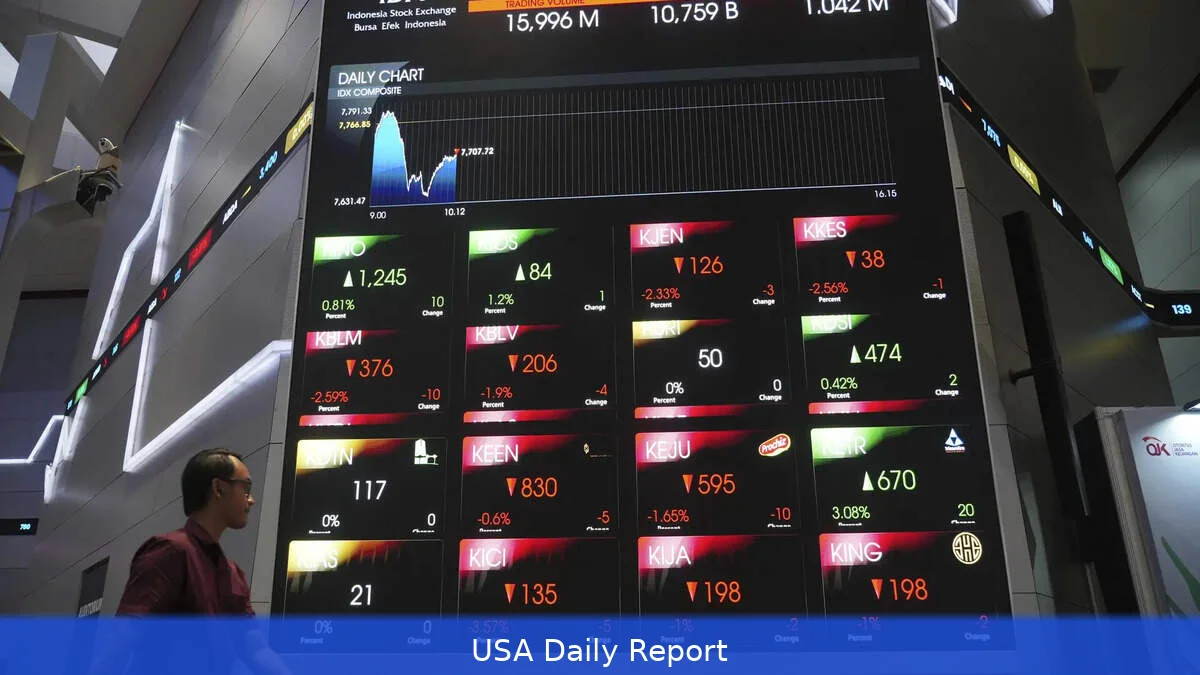
Indonesia’s financial regulators have stepped up efforts to flag companies with tightly held shares, aiming to meet the stringent criteria set by global index provider MSCI. The move targets improving market transparency and liquidity to boost Indonesia’s appeal to international investors.
Pressure to Meet MSCI Standards
Indonesia’s capital market watchdog has intensified scrutiny on firms with concentrated ownership. The goal is clear: satisfy MSCI’s governance and free-float requirements that influence index inclusion. MSCI, known for its global equity benchmarks, demands companies maintain a certain level of share liquidity and ownership dispersion to qualify for its indices.
Many Indonesian companies fall short due to high ownership stakes held by founding families, government entities, or insiders. Regulators see this as a hurdle for attracting foreign capital, which often avoids stocks that lack enough free-floating shares. Low liquidity often leads to wild price swings and makes it hard for big investors to buy or sell shares.
The Impact on Indonesian Corporations
Public companies flagged for tight shareholding face increased pressure to diversify ownership. Some may need to consider share buybacks, secondary listings, or encouraging wider retail participation. But these options come with challenges: founders often resist dilution, and regulatory reforms take time.
But there's a strong financial reason to change—being included in MSCI indexes usually brings in money from global funds.
For Indonesia, a fast-growing emerging market, improving index eligibility means more investment, better price discovery, and At the end of the day, a more mature equity market.
Industry experts point out that Indonesia’s move aligns with broader trends in emerging markets. Countries like India and Brazil have also tackled concentrated ownership to meet global investor expectations. Indonesia’s effort could help it compete for capital in a crowded field.
Broader Market Implications
Indonesia’s initiative coincides with other developments aimed at boosting market attractiveness. For instance, Freeport-McMoRan, the US-based mining giant with significant Indonesian operations, recently ramped up output and integration efforts. The company’s new Indonesian smelter will probably hit full capacity soon, signaling increased confidence in the region’s resource sector.
On the flip side, global energy dynamics continue to evolve. The US has surged as a major LNG exporter, reshaping energy supply chains and affecting commodity markets worldwide. These shifts indirectly impact Indonesia’s market by influencing investor sentiment and capital flows into resource-dependent economies.
Tighter rules on shareholding transparency could push companies to improve their governance. Investors often view dispersed ownership as a sign of accountability and reduced risk of insider abuse. Such improvements could lift valuations and attract a broader investor base.
Challenges Ahead
Despite the push, challenges remain. Changing ownership structures is complex, especially in a market where family-run conglomerates dominate. Regulatory enforcement can be uneven, and market participants may resist reforms that threaten control.
Plus, global economic uncertainties, including interest rate fluctuations and geopolitical tensions, add layers of risk to emerging markets like Indonesia. The country must balance reform with stability to avoid scaring off investors.
Still, Indonesia’s effort signals a willingness to adapt. As MSCI reviews eligibility annually, the clock is ticking for companies to adjust. The stakes are high: MSCI inclusion can mean billions in new investment and heightened international visibility.
Indonesia isn't just tweaking regulations; it's making a bold move to attract global investors. The success of this effort will hinge on how fast companies loosen ownership and how investors respond.


