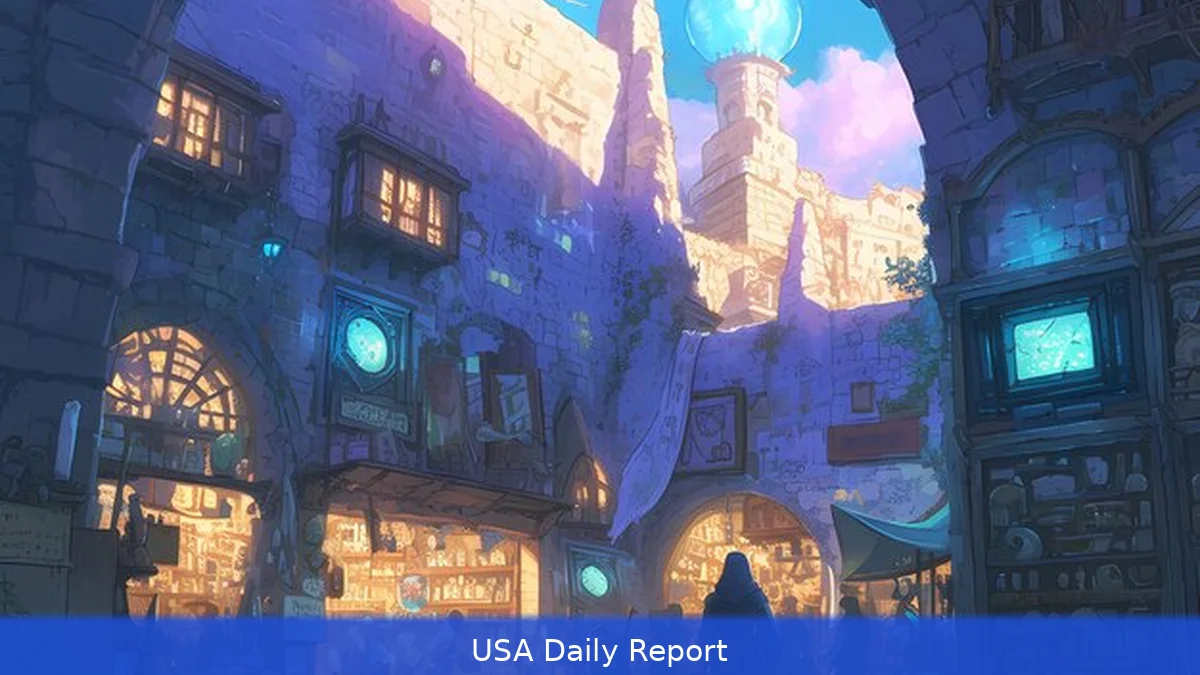
Chainmail at the MTV VMAs? Yes, and it’s more than just a costume choice. A medieval revival is reshaping fashion, clashing intriguingly with the tech-dominated world.
Medieval Aesthetics Make a Bold Comeback
Last September, Chappell Roan stunned audiences at the MTV Video Music Awards by donning a suit of plate and chain armor, performing amid dancers dressed as knights. Her fiery entrance in front of a burning castle wasn’t just theatrical flair—it signaled a deeper cultural shift. This isn’t a random throwback. Taylor Swift and Natalie Portman, too, embraced medieval-inspired pieces from Dior’s 2025 cruise line, each sporting chain mail and tartan in ways that nod to Europe’s Middle Ages.
Fashion insiders are calling it “camp medievalism,” a style that mixes nostalgia with a sharp critique of contemporary wealth, especially the flashy, tech-fueled kind often associated with male power. The vogue for medieval looks is bubbling up from internet culture and gaining traction among celebrities, aristocrats, and fashion houses alike.
High Society’s Medieval Parties and Status Statements
Across the Atlantic, British elites are hosting lavish medieval-themed parties where guests dress as Vikings, Celts, or Robin Hood, often wearing chain mail despite its historical inaccuracy for such occasions. These events are more than costume balls. They’re an expression of power and wealth that contrasts with the relentless pace of the digital age. Instead of celebrating tech’s dominance, these parties hark back to a time of swords and castles, feasts and face-to-face alliances.
What’s interesting is that this trend isn’t just top-down. While celebrities and nobility are highly visible proponents, the medieval revival taps into a broader cultural mood. People seem eager to trade their smartphones for a sense of adventure and raw, old-world toughness. The New York Times flagged this as a key look for 2025, suggesting a shift from being “demure” to ready for battle—literal or figurative.
Fashion-Tech’s Love-Hate Relationship
Here’s where the tech-finance angle comes in. The fashion industry has long flirted with technology—from wearable devices to AI-designed collections. But the medieval revival signals a pushback. It’s a stylistic jab at the slick, gadget-heavy, often male-centric tech wealth culture.
The look evokes power grounded in craftsmanship, history, and ritual rather than algorithms and screens.
Financially, this trend could reshape luxury markets. Brands like Dior, which already blend heritage with modernity, stand to benefit from tapping into this medieval craze. It offers a new way to market exclusivity—not through the latest tech innovation, but through storytelling and historical fantasy. Investors tracking fashion tech should watch how these nostalgia-driven lines perform alongside tech-forward products.
Broader Implications for the Fashion Industry
The medieval revival isn’t just a fashion statement; it’s a cultural critique that could influence spending patterns. Consumers may favor products that feel authentic, artisanal, and timeless over those that scream high-tech gimmicks. For fashion finance analysts, that could mean a pivot in how brands allocate resources between R&D in tech and investment in traditional craftsmanship or themed collections.
Plus, this trend might inspire tech companies to rethink their image. If medieval fashion symbolizes a rejection of tech’s flashy dominance, then tech firms might lean into more human-centered design, sustainability, or even retro aesthetics to stay relevant.
As medieval motifs surge back into fashion, the industry faces a crossroads: embrace the tech-driven future or rekindle romance with the past. How the two collide could redefine luxury for years to come.


