Finding mental health support through Medicare or Medicaid in 2026 can be tough. Many people face the same struggle. Many face long waits or confusing referral rules. Still, there are ways to move things along and get the care you need faster.
Overview of Medicare and Medicaid Mental Health Referrals in 2026
Medicare and Medicaid remain the largest public health insurance programs in the U.S., covering mental health services for over 70 million Americans combined. Medicare primarily serves adults 65 and older or people with certain disabilities, while Medicaid covers low-income individuals and families, including children and pregnant women. Even though these programs cover a lot of people, they still struggle to provide mental health care quickly.
One major issue is the shortage of behavioral health professionals nationwide. As of 2026, the Health Resources and Services Administration (HRSA) reports that over 80% of U.S. Counties have a shortage of mental health providers. This shortage contributes to long wait times for appointments, often stretching weeks or even months.
At the same time, demand for mental health services is rising. Medicaid behavioral health services overspent forecasts by $217 million in the current fiscal year, signaling increased utilization but also strained resources.
This overspending reflects more people seeking treatment, as well as the rising costs of care and medications.
To address these challenges, the Centers for Medicare & Medicaid Services (CMS) continue to roll out new initiatives. Notably, in 2026, CMS launched the ASPIRE model, focusing on children and youth with complex behavioral health needs, aiming to improve care coordination and reduce unnecessary hospitalizations. While this is promising for younger populations, adults accessing general mental health services still often face hurdles in referral and appointment scheduling.
Given these problems, knowing how to handle referrals through Medicare and Medicaid really matters. Efficient referrals can help reduce wait times, connect patients with the right providers faster, and ultimately improve outcomes.
Eligibility for Medicare and Medicaid Mental Health Services
Eligibility for mental health services under Medicare and Medicaid depends on your enrollment and state-specific rules. Medicare mental health coverage is available to:
- Adults aged 65 or older enrolled in Medicare Part B.
- Individuals under 65 receiving Social Security Disability Insurance (SSDI) benefits for at least 24 months.
- People with End-Stage Renal Disease or Amyotrophic Lateral Sclerosis (ALS), who qualify immediately.
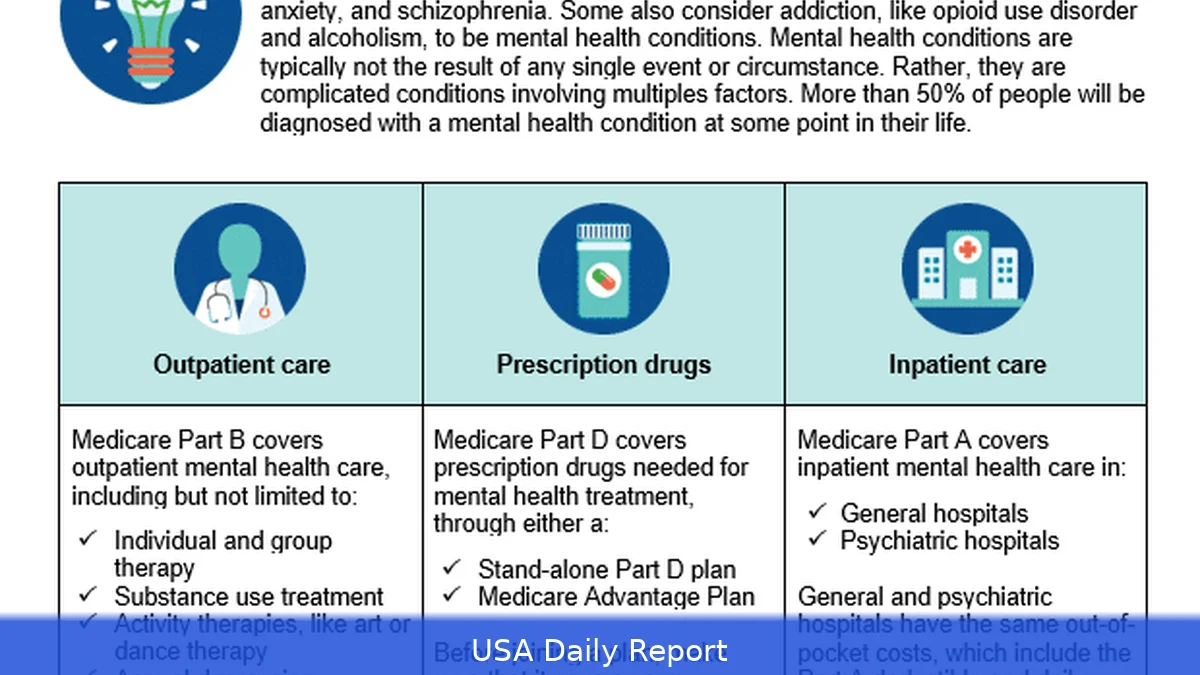
Medicare typically covers outpatient therapy, psychiatric evaluations, inpatient psychiatric hospital care (up to 190 days lifetime limit), and prescription medications related to mental health conditions.
Medicaid eligibility varies widely by state due to the program’s joint federal-state structure. Generally, low-income adults, children, pregnant women, elderly adults, and people with disabilities qualify. In 2026, 39 states and DC have expanded Medicaid under the Affordable Care Act, increasing access to mental health benefits for adults earning up to 138% of the federal poverty level (about $20,120 for an individual).
Medicaid mental health coverage often includes:
- Outpatient mental health services like counseling and therapy.
- Inpatient psychiatric hospital services.
- Case management and crisis intervention.
- Prescription medications.
- Peer support and rehabilitation services.
To access these services, you must have an active Medicare Part B or Medicaid plan that explicitly includes behavioral health benefits. Some Medicaid plans may require prior authorization or referrals for certain treatments.
How to Access Mental Health Referrals Through Medicare and Medicaid
Usually, getting mental health services through Medicare or Medicaid starts with a referral. Here’s a step-by-step guide to speed things up:
- Check your coverage and provider network: Before starting, review your current Medicare or Medicaid plan documents. Visit the official Medicare website at Medicare.gov or your state’s Medicaid website to confirm that mental health services are covered and to identify in-network providers. For Medicaid, check your state’s specific behavioral health plan details since benefits can vary widely.
- Contact your primary care doctor (PCP): Your PCP plays a key role in the referral process. Schedule an appointment to discuss your mental health concerns. Be clear and detailed about your symptoms and needs. The PCP can evaluate you and provide a referral to a mental health specialist covered by your plan.
- Use telehealth options if available: Many Medicare and Medicaid plans expanded telehealth coverage during the COVID-19 pandemic, and these options remain in place in 2026. Telehealth can reduce wait times and increase access, especially in rural or underserved areas. Confirm with your plan if tele-mental health services require a referral or if you can self-refer.
- Follow up on your referral: After your PCP provides a referral, contact the mental health provider promptly to schedule your appointment. If the provider has a long waitlist, ask about cancellations or waitlist prioritization.
- Consider community mental health centers: If you face long waits or difficulty finding in-network providers, community mental health centers funded by Medicaid may offer services with shorter waits or sliding scale fees. These centers often accept Medicaid and provide a range of services including crisis intervention.
- Keep records of all communications: Document your referral requests, appointment dates, and communications with providers and your insurance plan. This can help if you need to appeal a denial or request expedited care.
Additional Tips to Avoid Delays
- Know your rights: Under the Mental Health Parity and Addiction Equity Act, Medicare and Medicaid plans must provide mental health benefits comparable to physical health benefits. If you face denials or coverage limits, you can file an appeal.
- Use your state’s Medicaid Ombudsman: Many states have Medicaid consumer assistance programs to help resolve provider network issues and paperwork challenges.
- Ask about integrated care: Some Medicare Advantage and Medicaid Managed Care plans offer integrated behavioral health programs, where mental health providers collaborate with primary care. These programs can simplify referrals and improve access.
- Explore Prescription Drug Plans (PDPs): For Medicare beneficiaries, ensure your PDP covers the medications you need for mental health conditions. The average monthly premium for PDPs in 2026 is about $33, but costs vary widely.
- Consider peer support groups and crisis lines: While waiting for formal treatment, resources like the National Suicide Prevention Lifeline (988) and local support groups can provide immediate help.
Common Mistakes to Avoid
- Delaying the initial PCP visit: Waiting too long to discuss mental health symptoms with your PCP can prolong referral times and worsen your condition.
- Ignoring network restrictions: Seeing out-of-network providers without approval can lead to denied claims or higher costs.
- Missing appointments or paperwork deadlines: No-shows or incomplete forms can reset waitlists or delay authorization.
- Failing to verify coverage details: Medicare and Medicaid plans are updated annually. Not reviewing your plan changes at the start of the year can cause surprises in coverage or referral rules.
- Overlooking telehealth options: Many beneficiaries don’t realize they can get quicker access through tele-mental health services covered by their plans.
Medicare and Medicaid mental health referrals in 2026 still face hurdles like provider shortages and budget constraints. But knowing your eligibility, acting fast to get referrals, and using telehealth options can help you get the care you need without long waits.


