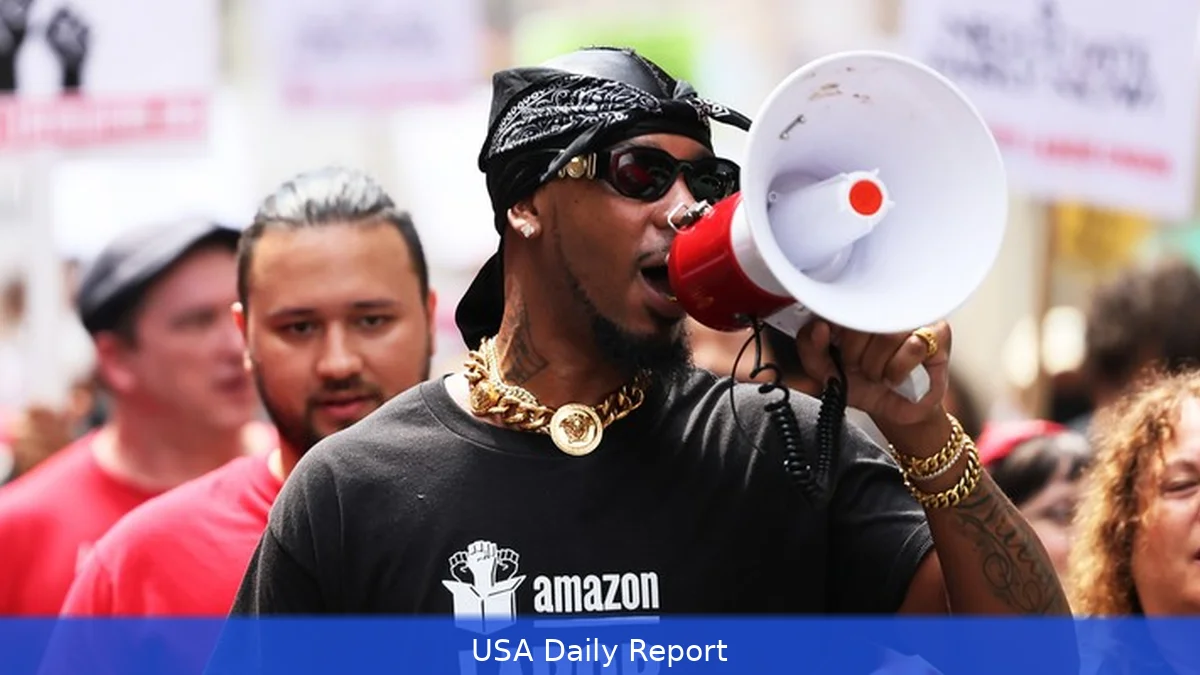
Amazon delivery drivers and warehouse workers have faced a tough fight for union recognition. Now, the National Labor Relations Board under President Trump has stepped in, ordering the e-commerce giant to negotiate with the Teamsters union.
Union Push Gains a Federal Boost
Amazon has long resisted unionization efforts by its delivery drivers and warehouse employees, even as many workers have voted to join the Teamsters, a powerful labor union. There’s no evidence the Trump-appointed NLRB has ordered Amazon to negotiate with the Teamsters. The labor fight is ongoing, but no official ruling demands bargaining.
Amazon workers have been striking in several U.S. Cities, especially during the holiday season—a period of high sales and company profits. These strikes aim to pressure Amazon into acknowledging the union and agreeing to a first-ever labor contract. If workers secure collective bargaining rights, it could change their pay and working conditions significantly.
Starbucks baristas have similarly taken to the picket lines, also seeking their inaugural contracts after organizing surges following the COVID-19 pandemic. Both companies, headquartered in Seattle, have resisted union recognition despite mounting pressure.
Trump’s Complex Labor Legacy
President Donald Trump’s relationship with organized labor has been complicated.
His first term was marked by policies that many saw as hostile to unions, including executive actions stripping collective bargaining rights from hundreds of thousands of federal employees—actions described by labor historians as some of the most aggressive union-busting moves in U.S.
History.
Still, during the 2024 campaign, Trump and several GOP figures reached out to unions, attempting to win support from working-class voters. International Brotherhood of Teamsters President Sean O’Brien received a prime speaking slot at the Republican National Convention, signaling a degree of outreach. But O’Brien criticized GOP business allies for harming American workers, highlighting divisions within the party.
Still, the Trump administration kept rolling back union protections. It fired Democratic members of the NLRB and the Federal Labor Relations Authority, agencies central to protecting workers’ rights. The administration’s actions have left many unions vulnerable to corporate opposition and political attacks.
Union Challenges and Corporate Resistance
The labor movement, which saw a surge of optimism in 2022 and 2023, now faces significant setbacks. Private-sector union membership has fallen below 6%, the lowest in over a century. Amazon and Starbucks remain battlegrounds where workers struggle to convert organizing momentum into concrete contracts.
Amazon, in particular, has mounted legal challenges against unionization efforts and even questioned the constitutionality of the National Labor Relations Board itself. The company’s resistance reflects a broader trend among major corporations to push back against union demands and collective bargaining.
Meanwhile, political divisions within the labor movement complicate efforts to present a united front. Some unions, including the Teamsters, have shown support for parts of Trump’s economic nationalism, further fracturing the traditional labor coalition.
What’s Next for Labor in America?
If the NLRB did order Amazon to bargain, it might influence other union fights—but no such order has been confirmed. But the labor landscape remains uncertain. With Trump’s administration continuing to roll back worker protections and corporate giants resisting unionization, the path ahead is full of challenges.
Labor leaders and workers have to think hard about their next moves. Public strikes during peak shopping seasons have drawn attention and support, yet legal battles and political opposition loom large. The tension between growing worker activism and an administration often hostile to unions creates a high-stakes environment for the future of American labor.
Amazon now faces a federal mandate to negotiate with the Teamsters, but the broader struggle over union rights in the U.S. Is far from settled. The coming months could prove decisive for workers seeking to turn organizing wins into real contracts.


