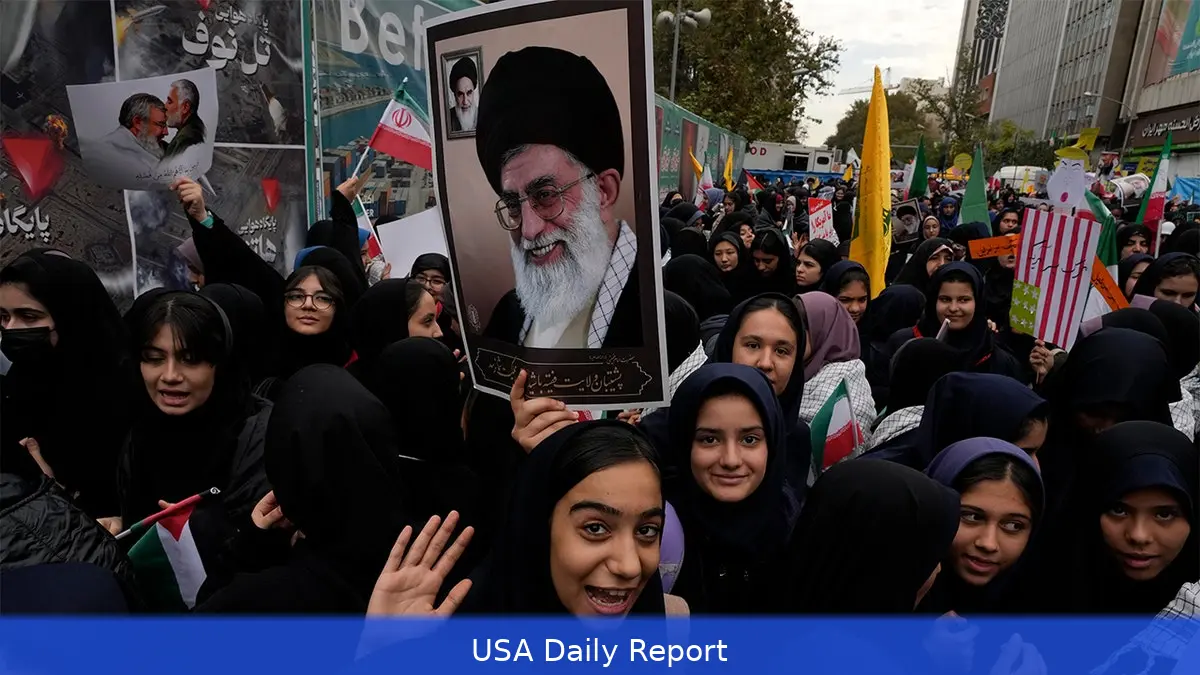
A network of shell companies linked to Mojtaba Khamenei, son of Iran’s Supreme Leader, has quietly amassed over $138 million in luxury properties across Europe and the Middle East. Intermediaries and international banks helped hide these acquisitions, which funneled Iranian oil revenues into Western assets despite US sanctions.
Luxury Holdings in London, Dubai, and Europe
On the exclusive Bishops Avenue in north London, known as "Billionaire’s Row," a series of opulent mansions stand mostly empty behind high hedges and guarded gates. These properties are part of a broader portfolio linked to Mojtaba Khamenei, who quietly controls real estate worth more than £100 million, or roughly $138 million, across London, Dubai’s "Beverly Hills," and major European cities like Frankfurt and Mallorca.
The purchases, stretching back to at least 2011, were never made in Khamenei’s own name. Instead, ownership is funneled through a web of shell companies and intermediaries, notably an Iranian businessman named Ali Ansari. Ansari himself faced UK sanctions in October, suggesting the UK government is aware of this covert financial network.
The money for these deals moves through banks in the UK, Switzerland, Liechtenstein, and the UAE. Most of the money originates from Iranian oil sales, a key source of revenue for the regime but heavily restricted by international sanctions.
Sanctions and Financial Channels
US sanctions imposed on Mojtaba Khamenei in 2019 intended to freeze his assets and limit his financial reach.
Still, the labyrinth of companies and offshore accounts has enabled him to channel billions into Western markets.
They use several jurisdictions famous for banking secrecy and complex corporate setups. Switzerland and Liechtenstein, for instance, have long been havens for discreet wealth management. The involvement of these financial centers points to a deliberate effort to evade detection and regulatory scrutiny.
Ali Ansari’s role as an intermediary helps obscure the direct link to the Supreme Leader’s family, shielding them from international enforcement actions. The strategy complicates efforts to fully identify and seize assets tied to the regime.
Contradictions With Iran’s Public Image
Iranian state media portray the Supreme Leader and his family living humble, religious lives—an image sharply at odds with the reality of offshore luxury holdings. This discrepancy fuels public anger, especially amid growing poverty and nationwide protests that have challenged the regime’s legitimacy throughout this year.
Many Iranians blame economic mismanagement and corruption at the highest levels of government. The term “Aghazadeh,” used pejoratively, describes children of the elite who exploit their connections for personal gain. Mojtaba Khamenei fits this description, embodying the contradiction between revolutionary ideals and elite privilege.
Despite political unrest and sanctions, this secret financial empire continues to grow, raising questions about the effectiveness of current sanctions and the global financial system’s vulnerability to such schemes.
Implications for Sanctions Enforcement
Mojtaba Khamenei’s vast holdings reveal gaps in how international sanctions are enforced. Banks across several countries processed transactions linked to Iranian oil revenues, ultimately funding luxury real estate purchases. This cross-border financial activity shows how state actors can exploit multiple jurisdictions to bypass restrictions.
Efforts to freeze assets or impose travel bans might be less effective when ownership is hidden behind layers of corporate structures and proxies. It also complicates diplomatic pressure on Iran, as these investments create economic stakes in Western countries.
Authorities face the challenge of untangling these complex networks to enforce sanctions effectively. Without greater transparency and cooperation across jurisdictions, similar schemes could continue unchecked.
Learning about Mojtaba Khamenei’s global property empire changes how we see Iran’s financial reach under sanctions. While the regime projects austerity at home, its elites quietly build fortunes abroad—raising tough questions about enforcement and the resilience of the sanctions regime.


