
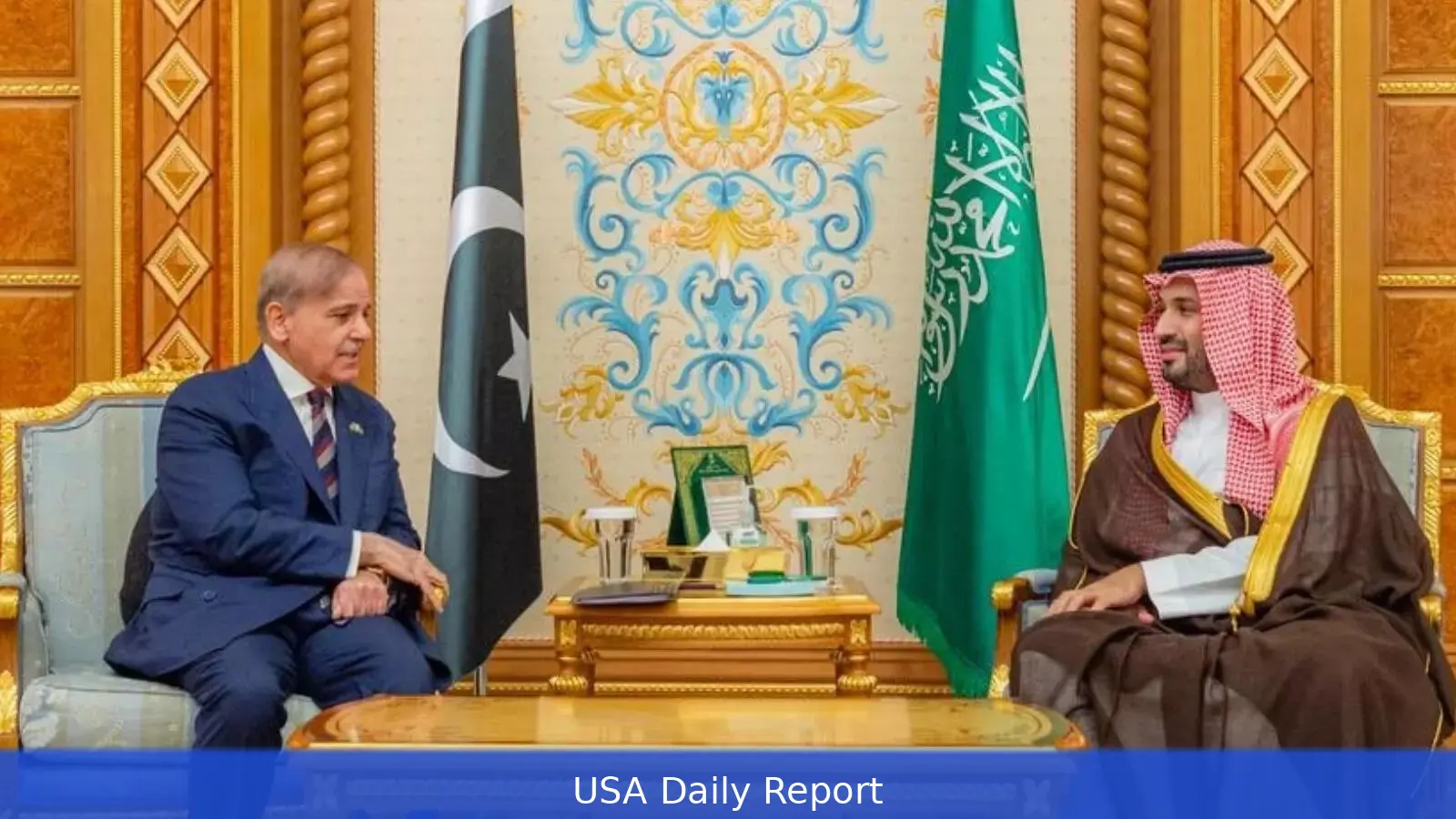
A partial deposit from the Saudi Fund for Development has temporarily bolstered Pakistan's foreign-exchange reserves, giving Islamabad breathing room while the UAE presses for the return of other funds.
Saudi deposit eases a short-term crunch
The State Bank of Pakistan accepted a partial deposit from the Saudi Fund for Development, boosting the country's foreign exchange reserves this month. Officials described the move as a stabilization step that gives Islamabad breathing room while it awaits further international support.
Short-term liquidity and the need to roll over large government and development deposits have been persistent challenges. The Saudi inflow reduces near-term pressure on reserves and eases the immediate need to draw down other credits, though it is not a full solution: part of the previously arranged facility remains subject to agreement terms.
UAE repayment demand raises stakes
Separately, the United Arab Emirates has sought the return of funds it placed with Pakistan's central bank. Islamabad repaid a large tranche of that deposit, with additional funds scheduled for repayment later this month.
The timing of withdrawals and the cost of servicing those deposits have strained the country's foreign exchange cushion. The UAE had been rolling over its deposit on an annual basis in prior years; under the latest cycle Pakistan also paid interest on the funds. Officials say the repayments reflect contractual obligations and shifting Gulf priorities, and the demands prompted a scramble to shore up reserves through alternate channels.
IMF link and the Washington discussions
Pakistani officials expect a disbursement under a staff-level agreement with the International Monetary Fund, with the IMF Executive Board scheduled to review the deal in mid-May. Approval would unlock the next tranche of financing under Pakistan's program.
Officials say the anticipated IMF payment is central to Islamabad's plan to replace repaid deposits and shore up official reserves. During talks in the U.S., Pakistani representatives sought to reassure creditors and investors about the country's macroeconomic stance and the sequencing of the Saudi deposit, UAE repayments and the expected IMF release.
Related Articles
- Roundhill's DRAM ETF Draws Strong Flows and Active Options Trading After April Launch
- Tilman Fertitta Extends Exclusivity in $18 Billion Caesars Talks
- Kevin Warsh Vows Fed Independence as Senators Press Him on Millions in Assets
The IMF Executive Board's mid‑May review could unlock the next tranche Pakistan needs to replace repaid deposits and rebuild official reserves.
This article was created with AI assistance.


