
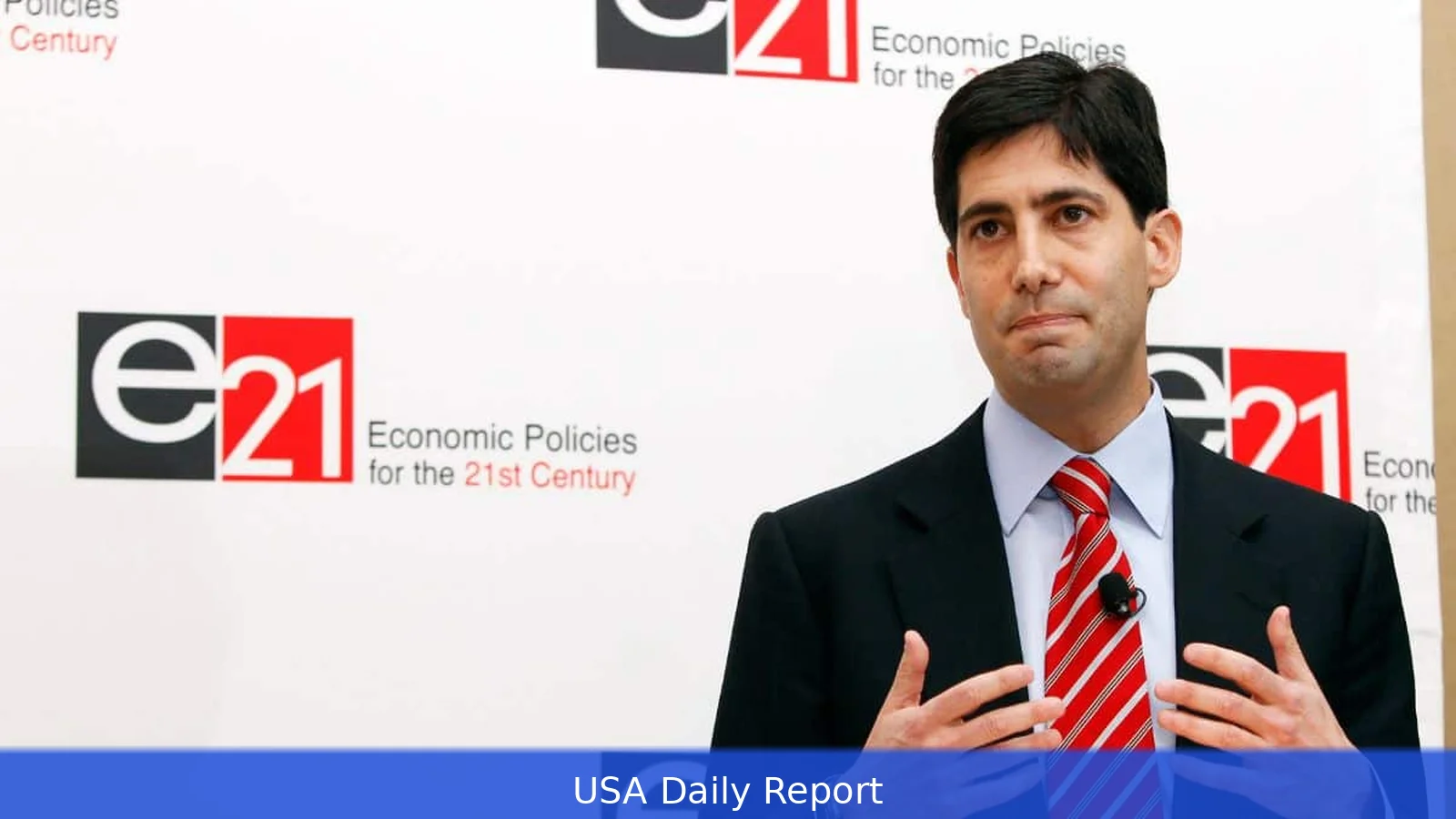
With millions in disclosed assets, Kevin Warsh said he will act independently on interest rates and follow Federal Reserve ethics rules, including divesting holdings that pose conflicts. His nomination faces sharp Senate scrutiny ahead of an April 21 confirmation hearing.
Nominee pledges independence amid ethics questions
With millions in disclosed assets, Kevin Warsh told senators he will be "strictly independent" on monetary policy if confirmed as Federal Reserve chair and pledged to follow the central bank's ethics rules, including divesting any holdings those rules forbid.
The hearing comes after Warsh disclosed those assets and signaled plans to sell investments that could pose conflicts with Fed duties. His public commitment is aimed at reassuring lawmakers who worry a Fed chief with large private holdings could face influence from former colleagues or major investors; Warsh said his policy judgments would be driven by economic data and not by personal financial interests.
Senate Democrats press for details on divestiture plan
Democratic members of the Senate Committee on Banking, Housing, and Urban Affairs said Warsh hasn't provided enough detail about how he will unload holdings that are barred under current ethics rules. In a report released ahead of the hearing, the minority members questioned who would buy large blocks of assets and whether sales could be structured in ways that create conflicts.
Committee Democrats urged clearer timelines and transparency on buyers, saying that without specific disclosure of holdings and planned divestitures the public can't be confident decisions will be made in the economy's interest rather than to protect Warsh's finances or those of close associates.

The Democratic report flagged Warsh's close financial ties with investor Stanley Druckenmiller and raised the prospect that such relationships could complicate divestitures. The report noted many of Warsh's assets are connected to Druckenmiller and said that if Warsh sells to that network, the public may see a billionaire effectively cashing out the incoming Fed chair.
Process, politics and the path to confirmation
The Senate Committee on Banking, Housing, and Urban Affairs has scheduled a confirmation hearing for April 21. Committee Chair Senator Tim Scott will preside over the session, which could determine whether Warsh's nomination moves to the full Senate.
Several Republicans have voiced impatience with ongoing probes that touch current Fed officials. Senator Thom Tillis has said he won't support confirming any Fed nominee while the Justice Department's inquiry into Jerome Powell's testimony over renovation work remains open. Senator John Thune and other Republicans have urged a resolution to the legal reviews so the confirmation process can proceed.
President Donald Trump nominated Warsh to replace Jerome Powell as Fed chair after publicly criticizing Powell's reluctance to cut interest rates. Trump has pushed for lower borrowing costs for the government and consumers and has threatened to remove Powell if he doesn't step down when his term as chair ends on May 15.
Ethics rules and the mechanics of asset sales
Federal Reserve ethics rules tightened in 2022 limit what top officials and their families can hold in private investments. The rules include windows for divestiture and prescribe methods intended to prevent the conversion of public office into private gain.
Warsh told the committee he consulted the Fed's ethics office and revised his divestiture plan after those interactions.
Related Articles
- Fermi CEO exit may smooth path to first customer
- Best Kitchen Composters and Food Recyclers of 2026
- Fermi shares plunge 23% after CEO, CFO exit amid short-seller allegations
The Senate Banking Committee will hold Warsh’s confirmation hearing April 21 under Chair Tim Scott.
This article was created with AI assistance.


