
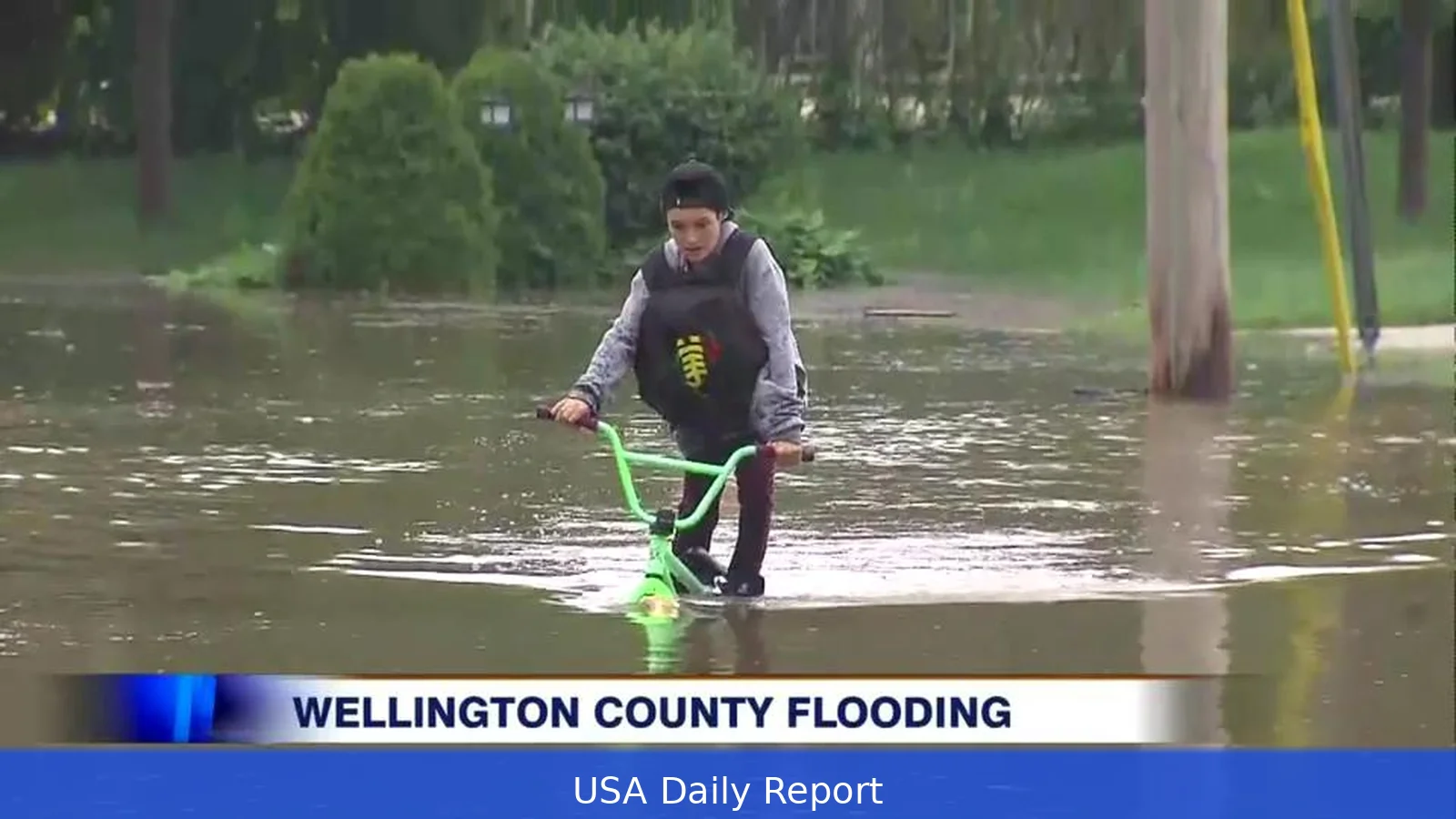
Wellington, New Zealand’s capital, declared a state of emergency after flooding prompted urgent safety orders, including travel restrictions and advice that people in low-lying areas relocate for at least 24 hours.
What officials ordered
- Cut or delay all non-essential travel for at least the next 24 hours.
- Move away from low-lying or flood-prone neighbourhoods and seek shelter with friends or family if homes are at risk.
- Authorities have powers to coordinate road closures, evacuations and resource allocation to protect life and infrastructure.
Officials framed the measures as temporary but necessary to protect life and allow emergency teams to work unimpeded.
How the disruption could play out locally
Wellington, New Zealand’s capital, is a dense urban centre with coastal suburbs, government buildings and transport links clustered around the harbour. Flooding typically threatens roads, low-lying homes and commuter lines, affecting people’s ability to get to work and slowing supply deliveries. Emergency teams usually prioritise rescue, shelter and the restoration of critical routes.
- Businesses in affected zones may close for safety; retail, hospitality and service firms that rely on commuting staff can expect delays or reduced capacity.
- Small enterprises with limited cash reserves are especially exposed to even short-term closures.
- Local authorities may divert staff to response tasks, delaying permits, non-urgent repairs and other routine municipal services.
Potential economic implications beyond the region
A state of emergency in the capital can ripple through government operations and broader economic activity. Central agencies located in Wellington may face disruptions to staffing and access to offices, slowing administrative decisions and some services until the immediate crisis eases.
Transport knock-on effects can extend outside the region: if key roads, ferries or commuter links are affected, workers and freight may be delayed, raising costs for businesses that rely on timely deliveries. Insurers typically see a spike in claims after flood events, and households or firms without sufficient cover face direct recovery bills that can alter local spending patterns during the rebuild.
Political and governance implications
A state of emergency in the seat of government tests both local and national crisis management. Political leaders become involved in response planning and ministers expect timely briefings; how quickly services are restored and evacuation and relief are managed will shape public confidence in emergency preparedness. Opposition figures often press for accountability after disruptive weather events.
Related Articles
- US seizes Iranian-linked vessel amid sanctions probe
- Viral video shows Israeli soldier vandalizing Jesus statue in Lebanon
- When to Tap Your Home Equity
Officials urged residents to cut or delay non-essential travel and asked people in low-lying or flood-prone areas to consider relocating to friends or family for at least the next 24 hours.
This article was created with AI assistance.


