
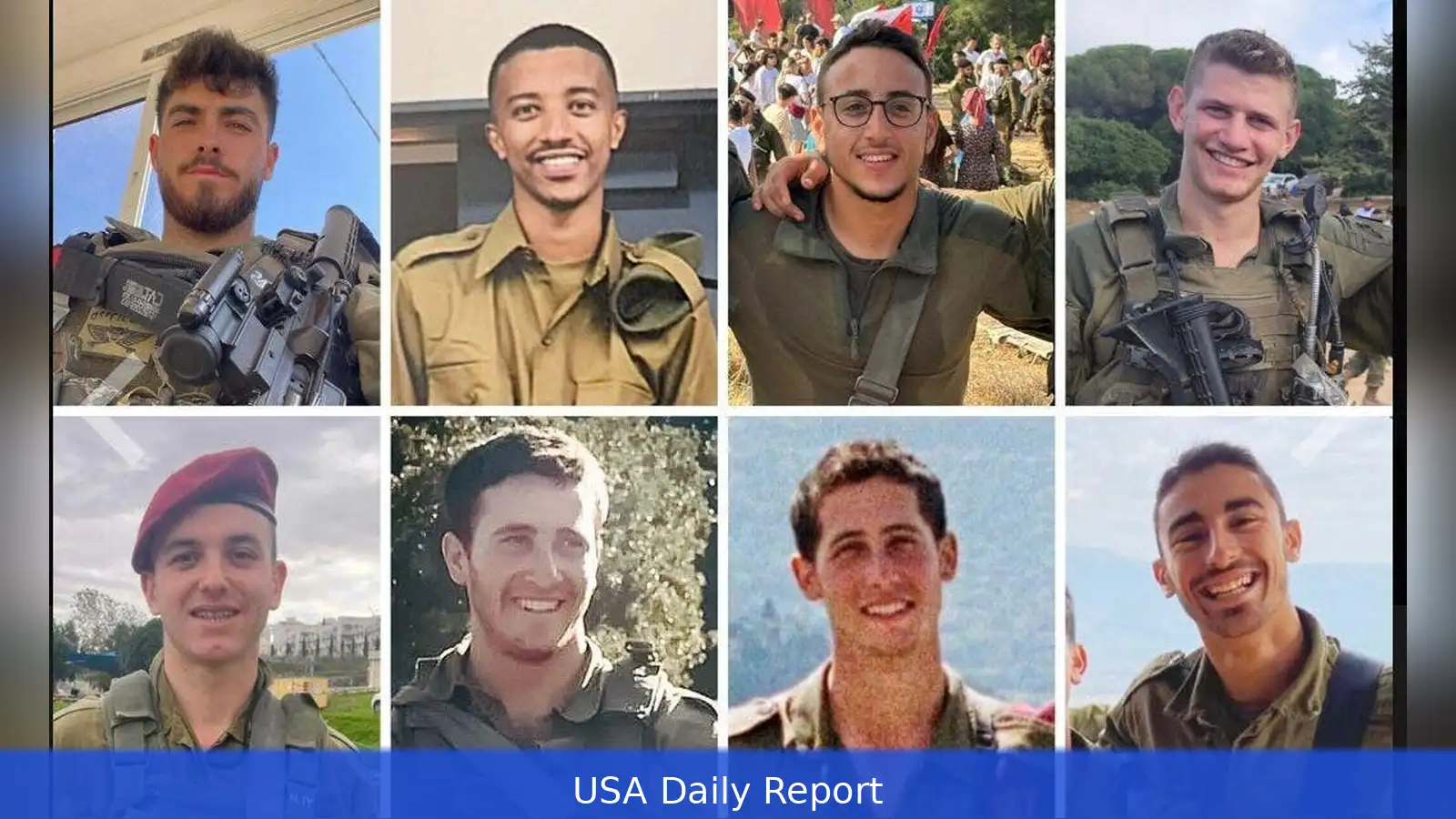
A viral video showing an Israeli soldier vandalizing a statue of Jesus in southern Lebanon has sparked widespread outrage, street protests and diplomatic complaints.
What happened
A short video circulated online showed an Israeli soldier damaging a statue of Jesus in southern Lebanon. The footage drew swift condemnation from local communities and religious leaders, who said the act targeted a sensitive symbol in an area where Christian and Muslim populations coexist.
The clip was widely shared on social media and messaging apps across Lebanon and the wider region, prompting street protests in some southern towns where residents gathered outside churches and public squares. Church leaders urged calm while calling for formal protests and diplomatic action from Beirut.
The Israeli military said it would investigate the footage and review the servicemember's conduct, stressing that any confirmed misconduct would be handled under military regulations.
Local politicians and civil society groups framed the episode as part of a pattern of incidents that strain coexistence along the Israel-Lebanon frontier and revive grievances about occupation, cultural respect and the protection of religious sites.
Why it matters
- Local impact: Southern Lebanon hosts mixed communities where religious symbols are focal points for identity and memory; attacks on those symbols can trigger protests and heighten mistrust.
- National politics: Lebanon's government faced pressure from opposition parties and religious leaders to lodge diplomatic complaints and seek safeguards for religious sites amid an already fragile political and economic environment.
- Reputational effect: For Israel, the incident complicates messaging about protecting minority worship and can be used by critics to argue that soldiers or settlers act with impunity.
- International implications: The episode feeds into concerns for diplomats, peacekeepers and humanitarian groups working to reduce tensions along the UN-drawn Blue Line separating Israeli and Lebanese forces.
Diplomatic and political fallout
Lebanese authorities moved to lodge formal complaints with international institutions and partner countries. Lebanon's foreign ministry summoned diplomatic representatives to demand safeguards for religious sites and local communities, while protests in parliament intensified calls for a firmer response to perceived provocations across the border.
In Israel, politicians criticized the episode and urged accountability and closer scrutiny of troop conduct.
Related Articles
- Israel-Lebanon war upended life in Beirut
- Pope Leo Blasts Foreigners Exploiting Africa
- Israeli Strike Destroys Last Litani Bridge
Israel's military said it would investigate the footage; Lebanese authorities have lodged formal complaints and called for stronger protections for religious sites.
This article was created with AI assistance.


