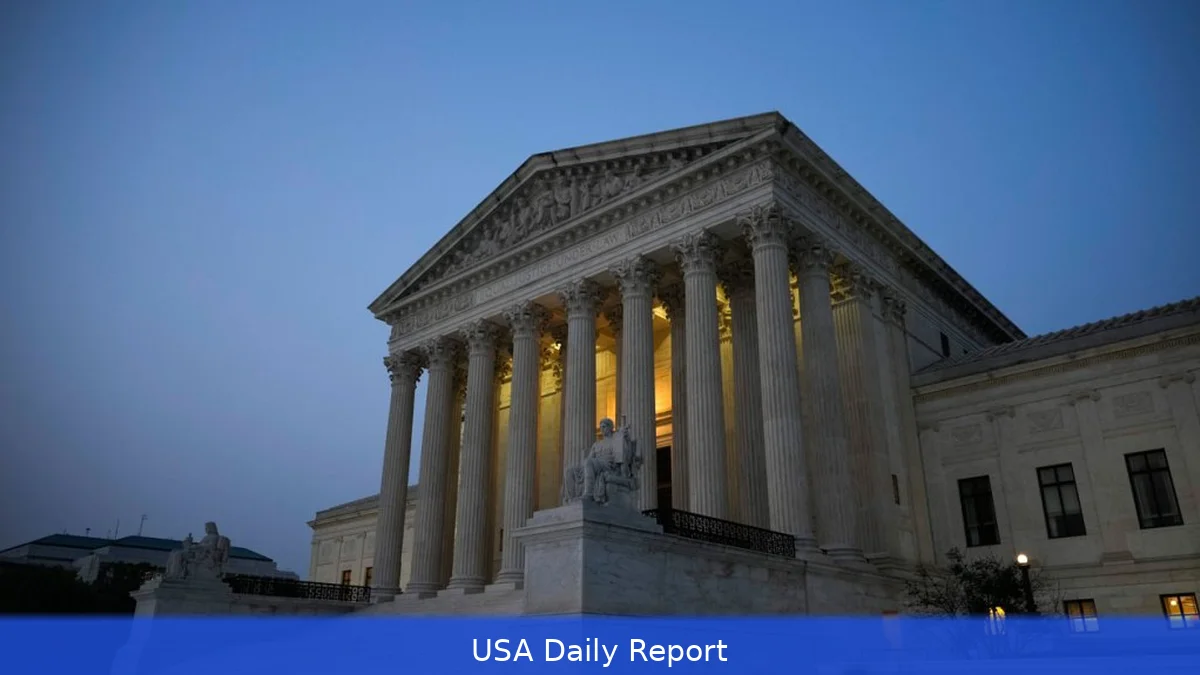
The Supreme Court overturned a massive $1 billion judgment against Cox Communications on Wednesday, in a case that could have reshaped how millions of Americans connect to the internet. The ruling draws a line on internet service providers’ liability for users’ copyright infringements, sparking debate about the future of online access and copyright enforcement.
A Billion-Dollar Verdict Thrown Out
Cox Communications, a major internet service provider (ISP), had been hit with a $1 billion damages award in 2019 over allegations that it enabled widespread music piracy. The case, Cox Communications v. Sony Music Entertainment, centered on whether Cox could be held responsible for its customers illegally downloading or sharing copyrighted music.
While a federal appeals court upheld Cox’s liability for willful contributory infringement, the Supreme Court disagreed. In a unanimous decision, the justices ruled that ISPs aren’t liable unless they actively encourage or help copyright infringement. The ruling essentially protects ISPs from being forced to police every user on their networks to avoid costly lawsuits.
Why the Court Stepped Back
Justice Clarence Thomas, writing for the majority, stressed that simply providing internet service—knowing some users might misuse it—doesn’t make a company liable. “The intent required for contributory liability can be shown only if the party induced the infringement or the provided service is tailored to that infringement,” he wrote.
Still, Justices Sonia Sotomayor and Ketanji Brown Jackson voiced concerns about the majority’s narrow view of liability, though they agreed Cox shouldn’t be held responsible in this case.
What’s at Stake: Internet Access vs. Copyright Protection
What makes this case so significant is the practical impact on how ISPs manage their networks.
The music industry had been using software to detect copyright violations tied to IP addresses, which are unique identifiers assigned to devices accessing the internet. They pressured Cox to disconnect users flagged for piracy, arguing that the ISP wasn’t doing enough.
But the problem isn’t straightforward. Many users share a single IP address—think college dorms, apartment buildings, cafes, or hospitals.
Shutting off internet for a single user flagged at an IP address could cut service for dozens or even thousands of innocent people.
The Court recognized this risk. If ISPs had to police every user aggressively to avoid lawsuits, millions could lose access based on others’ actions.
That’s a big deal in today’s world, where internet connectivity is essential for work, education, health care, and communication.
The Financial Stakes and Industry Impact
Federal copyright law allows for steep penalties—sometimes running into millions of dollars—for infringement. If courts had held ISPs liable for users’ piracy without strict limits, companies like Cox could face crippling lawsuits.
That could lead ISPs to take extreme measures: disconnecting users at the slightest hint of infringement or investing heavily in expensive monitoring technologies. Either way, consumers would likely bear the costs, whether through higher prices or restricted access.
For the music and entertainment industries, the ruling is a setback. They’ve fought piracy since the days of Napster, trying various legal and technological tactics to protect copyrights. While piracy remains a challenge, forcing ISPs into policing roles might have done more harm than good.
Industry experts say The decision clarifies the limits of ISP liability, pushing copyright holders to focus on more targeted enforcement rather than blanket actions against service providers.
Why the Court Is Cautious About Regulating the Internet
Several Supreme Court justices have expressed unease about making sweeping rules for the internet. Justice Elena Kagan famously admitted in a 2022 argument, “we really don’t know about these things,” referring to the complexities of online technology.
That caution influenced the Cox decision. The Court avoided a ruling that might upend how the internet functions for hundreds of millions of users. Instead, it maintained legal principles that protect ISPs from becoming overburdened enforcers of copyright law.
It’s a delicate balance. The internet’s infrastructure relies on providers offering open access.
But unchecked piracy chips away at creators’ revenues. The Court’s ruling reflects a desire to preserve internet openness while leaving room for more precise legal tools against infringement.
The Supreme Court’s decision in Cox Communications v. Sony Music Entertainment leaves the door open for future copyright cases but firmly limits ISPs’ liability. How this will shape the ongoing battle between copyright enforcement and internet access we'll have to wait and see.


