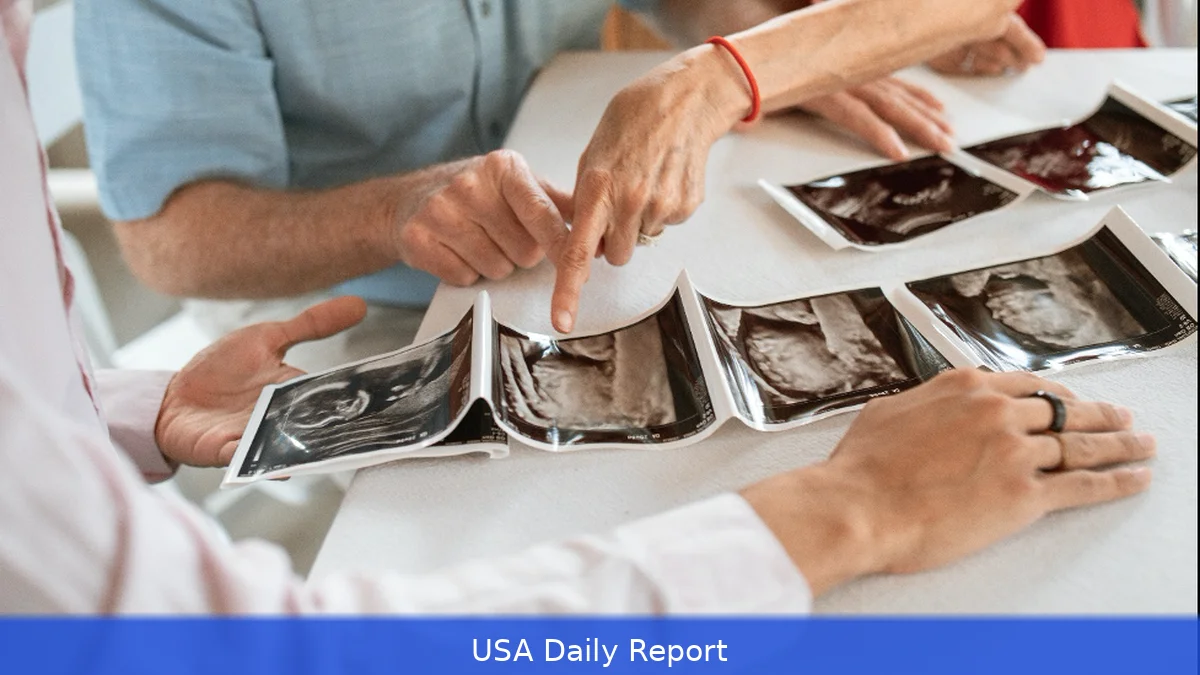
In 2026, fertility treatment in the US is changing, particularly when it comes to Medicare and Medicaid coverage. IVF eligibility varies widely by state, and new partnerships and legislation are reshaping access and affordability for many Americans. Here’s a breakdown of costs, coverage, and how things differ by region in 2026.
Key Figures Summary
- Costco members can save up to 80% on fertility drugs starting March 2026.
- Follistim medication costs around $1,268 per 650 IU cartridge and $1,346 per 900 IU cartridge before discounts.
- Average medication savings per IVF cycle range from $2,700 to $4,360.
- Legislation proposed in early 2026 aims to expand insurance coverage for IVF and fertility preservation across multiple states.
- One in six Americans faces infertility challenges, according to CDC estimates.
- Medicaid coverage for IVF varies by state, with some states offering full coverage, others limited or none at all.
- Costco partnership launched March 9, 2026, with Sesame and IVI RMA North America to provide discounted fertility medications.
- Typical IVF cycle costs without discounts range from $12,000 to $15,000 nationally, including drugs, procedures, and diagnostics.
- Medicare generally doesn't cover fertility treatments, but ongoing policy debates in 2026 are pushing for changes.
- Regional differences in IVF eligibility are significant; states like Illinois, Massachusetts, and New Jersey provide more extensive Medicaid fertility benefits compared to states like Texas and Florida.
Detailed Breakdown of Fertility Treatment Costs and Coverage
Fertility treatments remain one of the more expensive healthcare services in the US. For 2026, costs for a single IVF cycle typically range from $12,000 to $15,000 without insurance or discounts. This total usually includes hormone medications, diagnostic testing, the IVF procedure itself, and related office visits.
Drug costs make up a large chunk of the bill. For example, Follistim, a commonly prescribed injectable medication, costs about $1,268 for a 650 IU cartridge and $1,346 for a 900 IU cartridge before any discounts, according to pricing data from Purdue University College of Pharmacy. Most IVF cycles require multiple cartridges, pushing medication costs per cycle to between $3,500 and $5,500.
Starting March 9, 2026, Costco introduced a partnership with Sesame and IVI RMA North America to offer fertility drugs at up to 80% off for Costco members. This discount can save patients $2,700 to $4,360 per IVF cycle just on medications, dropping drug costs down to roughly $700 to $1,100 per cycle.
For many families, these savings cut down the out-of-pocket costs for IVF significantly.
Beyond medications, patients pay for evaluations such as ovarian reserve testing, ultrasounds, blood work, and consultations. These diagnostic visits can add $1,000 to $3,000 per cycle.
The IVF procedure itself, which includes egg retrieval and embryo transfer, ranges from $6,000 to $8,000. Laboratory fees and embryo freezing services add another $1,500 to $3,000.
Insurance coverage is a big factor. While some private insurers cover fertility treatments partially or fully, Medicaid coverage varies drastically by state. As of 2026, only about 15 states provide any Medicaid coverage for IVF. Among those, Illinois, Massachusetts, and New Jersey stand out for offering near-complete Medicaid coverage of fertility treatments including IVF and fertility preservation procedures.
Medicare, which mainly serves people over 65 or with certain disabilities, generally excludes fertility treatments. However, in 2026, legislative discussions are underway to consider expanding Medicare benefits to include fertility preservation for cancer patients and other exceptions.
Regional Differences in IVF Eligibility and Coverage
Where you live matters a lot when it comes to accessing fertility treatment through Medicare or Medicaid. Some states have passed mandates requiring private insurers to cover infertility treatments, and a smaller number extend Medicaid benefits for IVF.
States with robust Medicaid fertility benefits include:
- Illinois: Medicaid covers IVF procedures, medications, and fertility preservation for eligible patients.
- Massachusetts: Offers comprehensive Medicaid coverage for IVF, including multiple cycles and associated drugs.
- New Jersey: Covers IVF and fertility preservation through Medicaid, with fewer restrictions on age and diagnosis.
Conversely, states like Texas, Florida, and Alabama provide no Medicaid coverage for IVF. That creates a big access gap. Residents in those states often must pay full price or rely on private insurance plans with varying benefits.
Private insurance coverage also varies. In 2026, 19 states have laws requiring insurers to cover infertility diagnosis and treatment, including IVF. However, these laws differ in scope and eligibility criteria, such as duration of infertility attempts or marital status.
Costco's new partnership launched nationwide but benefits members differently depending on local regulations and pharmacy availability. The discounted medication program primarily helps reduce drug costs but doesn't affect procedure fees or diagnostics.
Forecast for Fertility Treatment Coverage and Costs
2026 looks set to bring some real changes in how affordable and accessible fertility treatments are across the US. Proposed federal legislation aims to push states toward broader insurance mandates, including expanding Medicaid fertility benefits.
The partnership between Costco, Sesame, and IVI RMA North America will probably continue growing, potentially adding more medications and services to the discount program. Experts forecast that medication savings could increase average IVF affordability by 20% to 30% for many patients.
Policy discussions around Medicare coverage for fertility treatments are gaining traction. If expanded, Medicare could become a new source of coverage for older adults and disabled individuals facing infertility or requiring fertility preservation.
Despite these positive trends, regional disparities are likely to persist without nationwide mandates. States with no Medicaid IVF coverage will continue to leave many patients paying out of pocket or relying on limited private insurance benefits.
While IVF costs remain high—typically $12,000 to $15,000 per cycle—new drug discount programs and legislative efforts in 2026 are gradually improving access and affordability for many Americans. But where you live still plays a big role in what you can get covered under Medicare or Medicaid.
IVF eligibility under Medicare and Medicaid remains uneven across the US in 2026. States vary widely in what Medicaid covers, and Medicare largely excludes fertility treatments. But new partnerships like Costco's drug discount program and ongoing legislative efforts are starting to chip away at cost barriers for many patients.


