
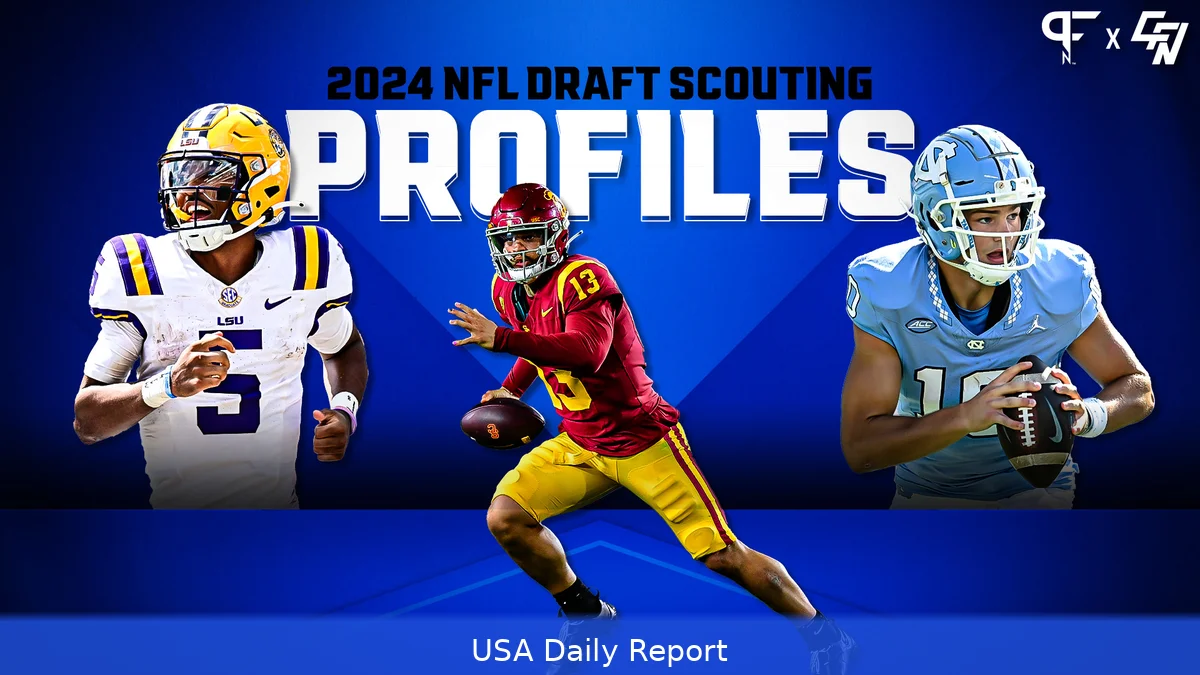
Every spring, football fans, executives, and analysts get excited about the NFL Draft. It’s where hopes are renewed, futures are shaped, and champions begin their journeys. Yet behind the spectacle lies a complex, high-stakes process that blends scouting, strategy, and long-term vision. Teams aren’t just picking players; they’re laying the groundwork for long-term success. This guide unpacks how the NFL Draft works, from evaluating talent deep in college programs to crafting moves that transform franchises. Whether you're a casual fan or a budding football strategist, you’ll find insights to understand what makes the draft the centerpiece of NFL team-building.
The Foundations of NFL Scouting: Finding Talent in a Sea of Prospects
Scouting plays a crucial role in the NFL Draft. Every team invests millions of dollars and thousands of hours to evaluate thousands of college players each year. The goal is straightforward: find athletes with the skills, physical traits, and mindset to succeed in the pros. But the process is anything but straightforward.
Scouts travel across the country, attending games, practices, and pro days to get a clear look at prospects. They assess everything from raw athleticism—speed, strength, agility—to football IQ and work ethic. Tape study plays a huge role. Scouts pore over game footage, looking for consistency, technique, and how players perform against top competition. They also consider intangibles like leadership and coachability, which can be crucial in a locker room setting.
Beyond individual analysis, scouts evaluate the context. What kind of offensive or defensive system did the player come from?
How does that translate to an NFL scheme? For example, a quarterback from a run-heavy college team might need adjustment to a pro-style offense. Scouts also factor in injury history and durability—NFL seasons are long and grueling, and staying healthy matters.
Teams organize scouting departments into regional groups to cover more ground efficiently. They rely on college coaches, trainers, and even former players to provide insights. The NFL Combine, held annually in Indianapolis, is a critical checkpoint where top prospects perform drills under standardized conditions. Here, vertical jumps, 40-yard dash times, bench presses, and position-specific workouts give teams a direct comparison between players.
But the draft isn’t an exact science. Many players who shine in college don’t make it in the NFL, while some late-round picks or undrafted players become stars.
That unpredictability pushes teams to dig deeper, looking for hidden gems and potential rather than just polished skills.
Draft Strategy: More Than Just Picking the Best Player
Drafting isn’t just about picking the most talented player. Each franchise approaches the draft with a strategic mindset tailored to its current roster, salary cap situation, and long-term goals. The draft works like a chess game, with teams making moves to get players who help them win now or later.
One common approach is drafting for need. Teams evaluate positional weaknesses and target players who can fill gaps immediately. For example, a team with a leaky defensive line might prioritize edge rushers early. On the other hand, some franchises follow a "best player available" philosophy, opting to pick the most talented prospects regardless of position. This can lead to a richer roster overall but may leave glaring holes to fill later.
Trading picks plays a big role in draft strategy. Teams often swap picks to move up and grab a coveted prospect or move down to accumulate more selections. These trades can involve future draft picks, current players, or a combination. Smart front offices weigh the value of each pick, guided by draft value charts that assign points to each draft slot. These charts help teams avoid overpaying or undervaluing assets.
Drafting means weighing risks against rewards. High picks come with big expectations but also greater pressure and scrutiny.
Teams might reach for a player with a high ceiling but concerns over character, injury, or consistency. Conversely, they might select safer players later who have a steady, if limited, upside. Finding the right mix is an art.
Salary cap issues are a big factor. Rookie contracts are structured by draft slot value, so teams must juggle potential long-term salary commitments. Drafting well can provide cost-controlled talent for years, freeing up cap space to sign veterans. This financial strategy often influences draft decisions as much as on-field needs.
Teams also draft players who fit their coach’s style and system. A coach favoring a zone defense might select different types of linebackers and defensive backs than one who prefers man-to-man coverage.
Offensive-minded teams might seek versatile skill players who create mismatches. Aligning draft picks with coaching schemes increases the chances of player success.
Evaluating Prospects: Tools, Tests, and Intangibles
You can’t evaluate NFL prospects by just watching highlights. Teams employ a range of tools and tests to measure athletic ability, mental toughness, and football intelligence.
The NFL Combine is the main event. It’s a week-long event where prospects run timed drills, lift weights, and undergo medical examinations. The 40-yard dash is the marquee test, measuring straight-line speed. Bench press reps at 225 pounds test upper-body strength, while the vertical jump and broad jump gauge explosiveness. Position drills show technique under pressure. Still, raw stats don’t tell the whole story.
Pro days supplement the Combine. Held at colleges, they let players perform drills in familiar surroundings, often with team scouts present. Some prospects improve their numbers here, while others use pro days to showcase skills not highlighted at the Combine, like route running or footwork.
Medical evaluations are thorough. Teams perform MRIs, X-rays, and physicals to assess injury risks. A history of concussions or surgeries can scare off teams or drop a player down draft boards. Yet some teams are willing to gamble on medical concerns if the talent is high enough.

Interviews and psychological testing add another layer. Teams want players who will fit their culture and handle the pressures of pro football.
Questions cover everything from personal background to motivation and leadership style. Some teams use cognitive tests to measure decision-making speed and focus. A player’s ability to absorb complex playbooks and adapt quickly is crucial.
Character evaluations often come from background checks and conversations with college coaches, teammates, and even family. Off-field issues can deter teams, but some are willing to take chances if they believe a player has grown or changed.
At the end of the day, teams synthesize all this data to create a full profile. The best evaluations balance measurable attributes with intangible qualities. That’s how franchises find players who not only perform but thrive in the NFL environment.
Building Championship Teams: From Draft Day to the Super Bowl
Draft picks are the building blocks of championship teams, but they’re only the start. Turning a draft class into a contender requires patience, development, and smart roster management.
Teams invest heavily in coaching and player development. Rookies often need time to adjust to the speed and complexity of the NFL. Position coaches work closely to refine technique and prepare players mentally. Strength and conditioning programs help prevent injuries and improve performance. The best franchises have systems in place to nurture talent year-round.
Draft success is also about balance. Championships come from assembling complementary pieces—a strong offensive line, a shutdown defense, reliable special teams, and playmakers at skill positions. Teams that draft well across positions reduce the need for expensive free-agent signings and create depth to weather injuries.
Some franchises have built dynasties through homegrown talent. They draft smart, lock down core players with long-term contracts, and foster continuity. This stability breeds chemistry on and off the field, a key ingredient for sustained success.
But no draft is perfect. Even top picks can bust, and late-round steals can emerge.
Teams must be ready to adapt, whether by trading picks, signing free agents, or adjusting schemes. Flexibility keeps a roster competitive over multiple seasons.
Successful teams also use the draft to address future needs. They might select younger players to groom as successors to aging veterans. This forward-looking approach prevents talent gaps and keeps the pipeline full.
At the end of the day, the draft is a marathon, not a sprint. Building a championship team takes years of smart drafting, strong coaching, and savvy management.
But when done right, the draft can transform a franchise and create legends.
The Role of Analytics and Technology in Modern Drafting
Analytics have reshaped how teams approach the NFL Draft. Data-driven decision-making adds a new dimension to scouting and strategy.
Teams now collect and analyze vast amounts of data—from player tracking during games to biometric information. This helps identify patterns and traits linked to success. For example, some analytics focus on how a defensive back’s positioning correlates to interception rates or how a running back’s burst speed translates to yards after contact.
Draft models use historical data to predict player performance and longevity. These models consider factors like college production, combine metrics, and injury history. While not foolproof, they provide a valuable tool to complement traditional scouting.
Video technology and AI enable detailed breakdowns of technique and tendencies. Coaches and scouts can slow down film to study footwork or reaction times. Machine learning tools help categorize player styles and identify potential mismatches.
Social media and digital footprints also factor into evaluations. Teams monitor player behavior and character signals online, as they do off the field. This helps protect franchises from off-field risks.
Still, analytics don’t replace instincts or experience. The best teams blend data with human judgment. They know when to trust the numbers and when to rely on gut feeling and nuanced evaluation.
Technology continues to evolve, promising even deeper insights in the future. Teams investing in analytics gain a competitive edge, turning raw data into draft-day gold.
Common Draft Myths and Misconceptions
The NFL Draft generates endless debate and myths. Separating fact from fiction helps fans and casual observers understand the process better.
One myth is that the first overall pick always guarantees a franchise quarterback. While top picks often have higher expectations, many have failed to meet them.
Conversely, some late-round quarterbacks have become stars. Draft position matters, but it’s not destiny.
Another misconception is that teams prioritize "character" to the point of overlooking talent. While character matters, teams often weigh talent and potential heavily, sometimes taking risks on players with off-field issues if the reward is high.
People also think teams always draft based on immediate needs. In reality, some franchises stockpile picks and select best available players to maintain roster flexibility. Needs are balanced with long-term planning.
Fans often assume the draft is a one-day event. It’s actually a multi-month process involving scouting, interviews, medical checks, and strategy meetings. The televised event is just the final chapter.
Finally, it’s easy to forget how much luck plays a role. Injuries, coaching changes, and player development all impact draft outcomes. Teams control what they can through preparation and evaluation but can’t predict every variable.
Understanding these nuances helps appreciate the draft’s complexity and why it remains unpredictable and exciting year after year.
The NFL Draft stands as the ultimate test of a team's vision, patience, and boldness. It’s where raw talent meets calculated risk, and where future champions take their first steps. For franchises, mastering scouting, embracing strategic flexibility, and fostering player development are the keys to unlocking success. Fans gain a deeper appreciation when they see beyond the picks to the decades of work behind each selection. So next draft day, remember: every choice echoes in seasons to come, shaping the game in ways that highlight football’s blend of grit, skill, and unyielding ambition.
This article was created with AI assistance.


