
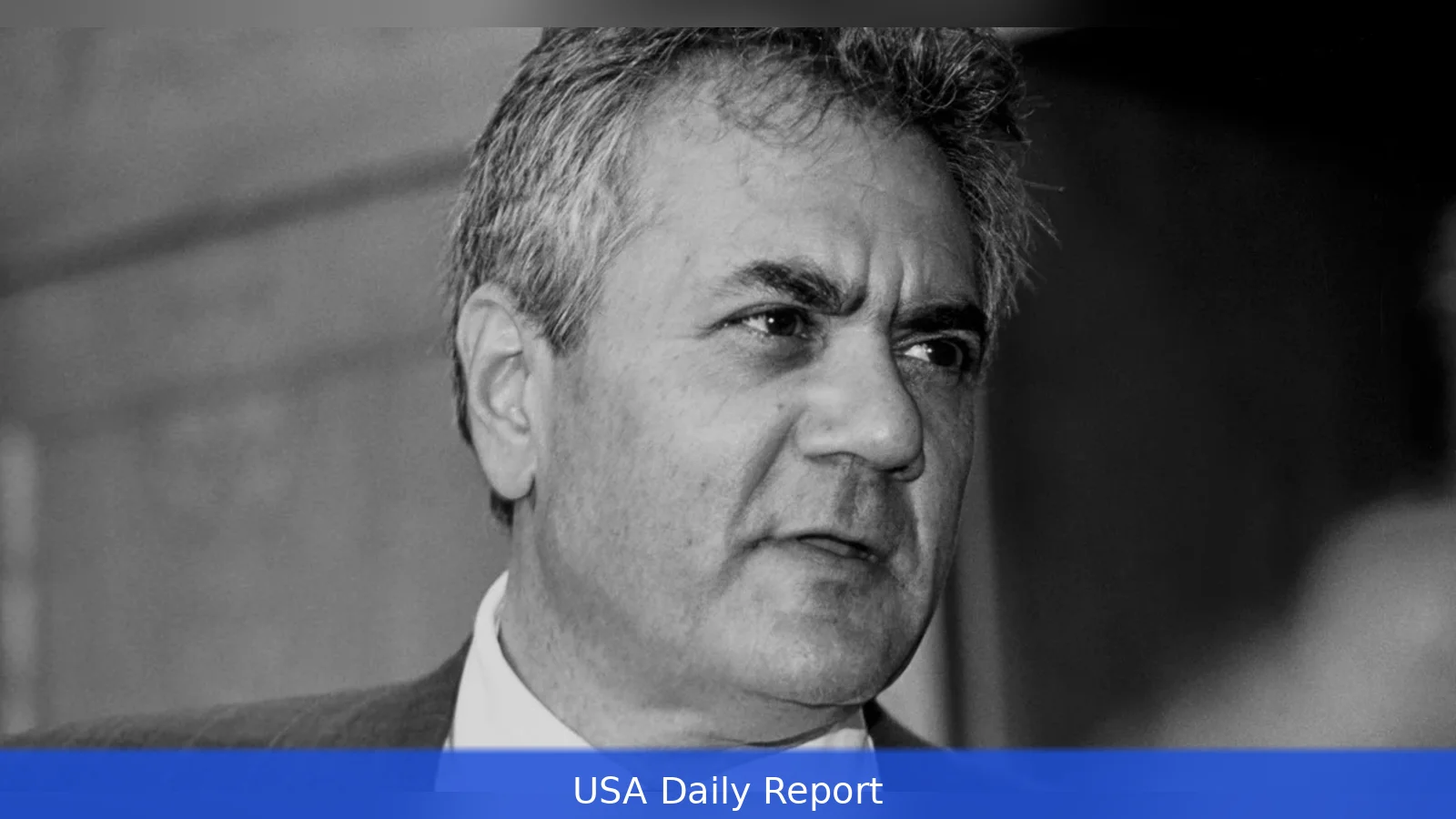
Barney Frank died May 19, 2026, at his home in Ogunquit, Maine. He was 86, and his sister Doris Breay confirmed his death to NBC Boston, saying he had entered hospice care the month before. In an interview last month with Politico, Frank said he had entered hospice for congestive heart failure. He leaves a 32-year congressional legacy, most visibly as chairman of the House Financial Services Committee during the 2008 crisis and as a principal architect of the Dodd-Frank Act of 2010.
If you just heard the news, here's what matters: Barney Frank combined fierce policy skill with a rare public personal story. He was the lawmaker most associated with reshaping post-crisis financial regulation, and he was also one of the first openly gay figures to change how Washington looks and acts. For many readers, those two facts will define what you remember and what you read next.
Frank died May 19, 2026, at his home in Ogunquit, Maine, at age 86. His sister, Doris Breay, confirmed his death to NBC Boston and said he had been in hospice the month before. In a Politico interview last month, Frank himself said he had entered hospice care because of congestive heart failure. The final weeks of his life were spent talking about his last book and the state of his party while receiving care.
What he did on Wall Street
Barney Frank represented suburban Boston in the U.S. House of Representatives for 32 years, serving 16 terms from 1981 until he left Congress after the 2012 election cycle. He chaired the House Financial Services Committee at the worst moment of the financial panic, and colleagues and scholars credited his legislative skill in shaping the response. That work culminated in his role as a principal architect of the Dodd-Frank Wall Street Reform and Consumer Protection Act of 2010.
As committee chair during the 2008 crisis, Frank was a visible, combative presence in hearings and on the House floor. Reporters and colleagues described him as an eloquent debater and a cutting questioner in committee work. He used plainspoken language that often cut through Washington formality.
The Dodd-Frank law remains his signature policy achievement, the piece of legislation tied directly to his public persona and to the debate over how to hold big banks accountable after the crisis.
Nancy Pelosi, the former House speaker who served with Frank for more than 25 years, told NBC News he combined idealism and pragmatism and that he was a mentor to many in the Democratic caucus. That assessment mirrors other accounts of Frank as someone who could translate ferocious partisan debate into the compromise needed to pass complex financial legislation.

Politics, identity, and the public life
Frank came to national politics from city hall. He had been an aide to Boston Mayor Kevin White in the late 1960s and later served in the Massachusetts state legislature. He studied government at Harvard and repeatedly traced his political commitments to two formative episodes: the anti-communist hearings of the 1950s and the lynching of Emmett Till. The man said those experiences shaped a moral urgency that guided his public life.
For much of his early career he didn't openly identify as gay. He disclosed his sexual orientation publicly in 1987, after his congressional seat was secure. That decision shifted how he was perceived in Washington and in his district, and it made him a more visible figure in the long arc of LGBTQ political inclusion.
In 2012 he became the first member of Congress to enter into a same-sex marriage when he married his longtime partner Jim Ready. Frank told NBC News of the ceremony, "It was life-changing, lifesaving for me." That line captures how personal milestones and public policy often intersected in his life.
Outside economic policy he was a persistent advocate for affordable housing and consumer protections. He kept those issues on the agenda even as his profile grew around financial matters. In later years he remained an outspoken commentator on Democratic politics, scolding the party at times and offering blunt counsel on strategy and direction.
Sure, in his Politico interview last month, Frank argued that progressive Democrats had "embraced an agenda that goes beyond what’s politically acceptable," and he framed his forthcoming book as a call for reform on the left. That critique was part of the last, public phase of his career: a mix of memoir, political argument, and instruction aimed at reshaping his party's approach.
After he retired from elective office following the 2012 cycle, Frank continued to write and speak. He completed a manuscript titled The Hard Path to Unity: Why We Must Reform the Left to Rescue Democracy, which NBC News reported is scheduled for publication in September 2026. He spent his final months speaking about the book and the state of his party while receiving hospice care.
People deciding what to read next should note two immediate sources. First, contemporaneous coverage of his role in the 2008 crisis and the Dodd-Frank debates will give the clearest window into his legislative craft. Second, his forthcoming book is presented as his late-career statement, a manuscript he used in interviews and public remarks during his last months.
Frank's public persona was distinctive. He could be combative, even brutal in questioning witnesses, and he could also be a mentor who schooled younger members on procedure and on the art of the deal.
For many, his plainspoken manner and willingness to take on the institutions of finance were precisely his value. For others, his later critiques of the left have complicated his legacy.
If you are looking for a short next step, check publisher listings and pre-order options for The Hard Path to Unity, which the public record ties directly to his late statements and to the interviews he gave while in hospice. That book is the clearest, scheduled source of his last political argument and the next date on his public record.
Related Articles
- Bond shock: 10-year at 4.59% pushed 30-year mortgage rates past 6%
- Angel Reese's 1-for-8 night, benching stokes scrutiny
- Dominion Energy merger: $67B deal to affect 10M customers
His final manuscript, The Hard Path to Unity, is scheduled for publication in September 2026.
This article was created with AI assistance.


