
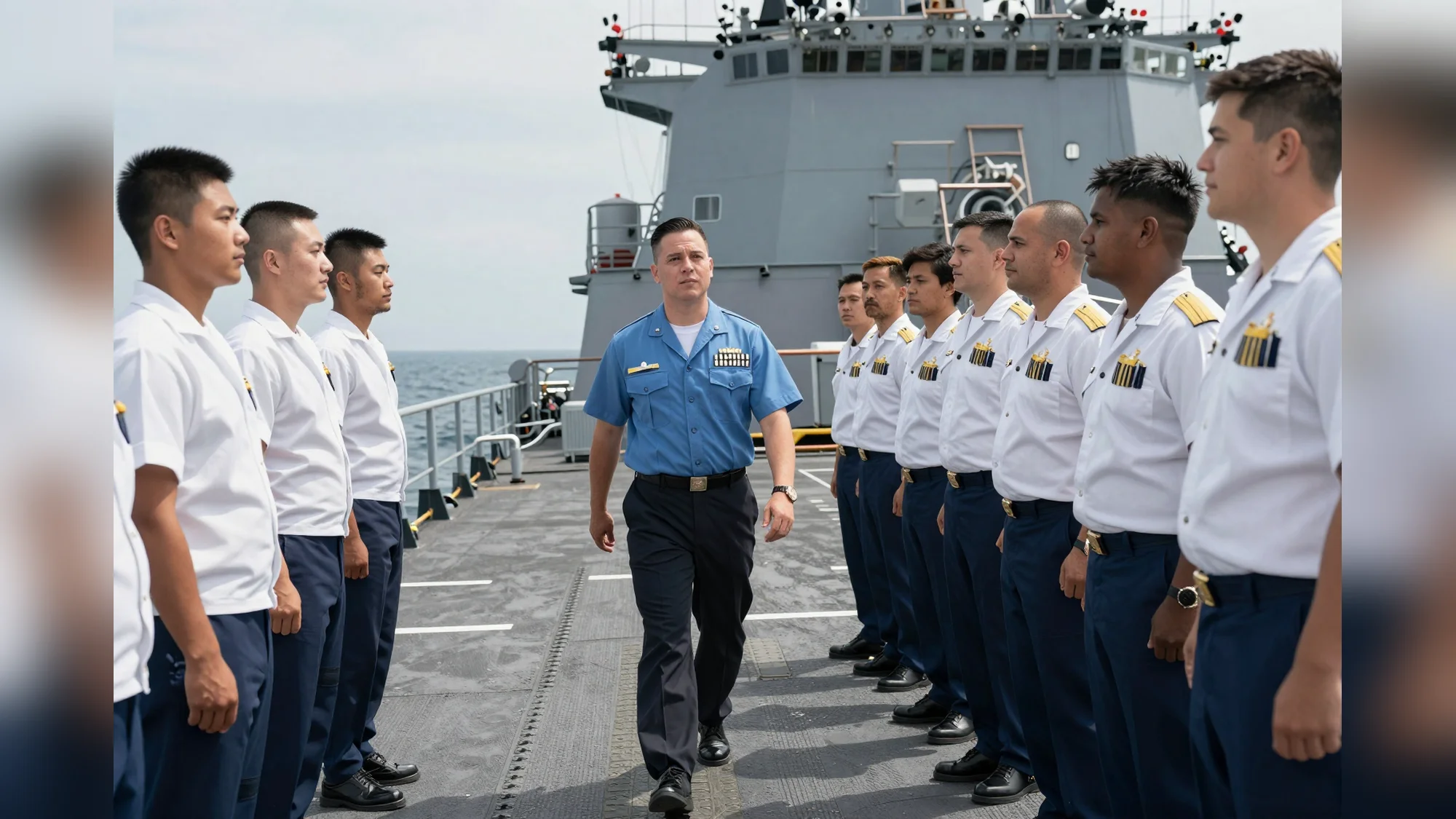
Why is the Pentagon pushing roughly 1,000 sailors to reapply for religious beard waivers even as it says the force must remain ready for combat? The change traces to Defense Secretary Pete Hegseth noticing multiple sailors with beards during a recent ship visit and ordering follow-up, Pentagon officials and internal emails say. The Navy issued a NAVADMIN in early July that limits medical shaving waivers to short term, treatment-linked exceptions and sets a timeline that could lead to administrative separations starting July 7, 2027. Pentagon spokesman Sean Parnell said Hegseth expects "the highest standards of appearance, fitness, and discipline," and commanders will be held accountable for results.
How did a routine grooming rule become a test of command accountability and personnel reform? The answer is straightforward: Hegseth directed a push for stricter enforcement after his shipboard observation, and Navy leaders moved quickly to translate that directive into policy.
What changed for shaving waivers
The Navy's NAVADMIN, published in early July, narrows medical shaving waivers to temporary exceptions tied to a documented treatment plan. Commanding officers may grant a temporary waiver for up to 90 days aligned with prescribed treatment. That 90-day window can be renewed up to four times, but after one year of medical treatment sailors who still can't meet the clean shaved standard are to be evaluated for administrative separation as having an "unmanageable permanent condition." The memorandum keeps mustaches and retains narrowly defined mission exceptions for certain special operators, while forbidding permanent shaving waivers.
The guidance directs commanders to ensure any temporary waiver corresponds to a treatment plan and to conduct quarterly reviews for sailors who need breathing protection as part of their duties. Navy leaders framed the change around readiness and proper fit of protective equipment, saying waivers must not undermine protective gear performance.
The policy affects sailors with current medical shaving waivers and those who seek them. Navy materials note that pseudofolliculitis barbae, commonly called razor bumps, can make shaving painful and that the condition disproportionately affects Black men. The American Osteopathic College of Dermatology is cited in Navy materials as estimating that about 60 percent of Black men may experience pseudofolliculitis barbae.

Navy leadership told internal audiences there are roughly 6,400 sailors diagnosed each year with chronic skin conditions that can affect grooming. An internal estimate cited about 1,000 existing facial hair religious accommodations that the service will reevaluate and standardize.
The Navy has ordered sailors with religious based facial hair accommodations to reapply and undergo a stricter, standardized review. Religious waivers that remain in place under the new procedures allow limited beard lengths at sea and ashore, but the service signaled it will reexamine approvals across commands.
For sailors currently holding shaving waivers or who suffer painful shaving conditions, the immediate step is practical and simple: report the issue to your supervisor and seek medical evaluation now so you are on a documented treatment plan. Commands must align any temporary waivers with prescribed treatment, and the one-year timeline for administrative evaluation starts from the NAVADMIN implementation.
The personnel changes also sit alongside a broader push on Equal Employment Opportunity reforms. Hegseth has directed faster handling of workplace complaints and a presumption of innocence for those accused unless evidence indicates otherwise, Pentagon officials told subordinates as they pressed for accelerated timelines.
A scholar at the Center for a New American Security said faster EEO processes can help both people who file substantiated complaints and those who face unsubstantiated allegations.
Pentagon spokesman Sean Parnell has described the moves as part of restoring discipline and readiness. He said commanders "will be held accountable for delivering results," language echoed in internal messages warning staff that the secretary was "paying close attention to the progress" of EEO and related personnel reforms.
The practical mechanics are concrete. Commands may grant temporary medical waivers tied to treatment for up to a year in total. If a sailor still can't meet the clean shaved standard after a year of documented treatment, commanders are instructed to process that sailor for administrative separation under the NAVADMIN timeline. The Navy gave commands and medical providers time to implement local procedures and counseling before separations begin.
Related Articles
Commands have until July 7, 2027 to finish reviews and begin separations where required. Reporting originally from CNN.
This article was created with AI assistance.


