
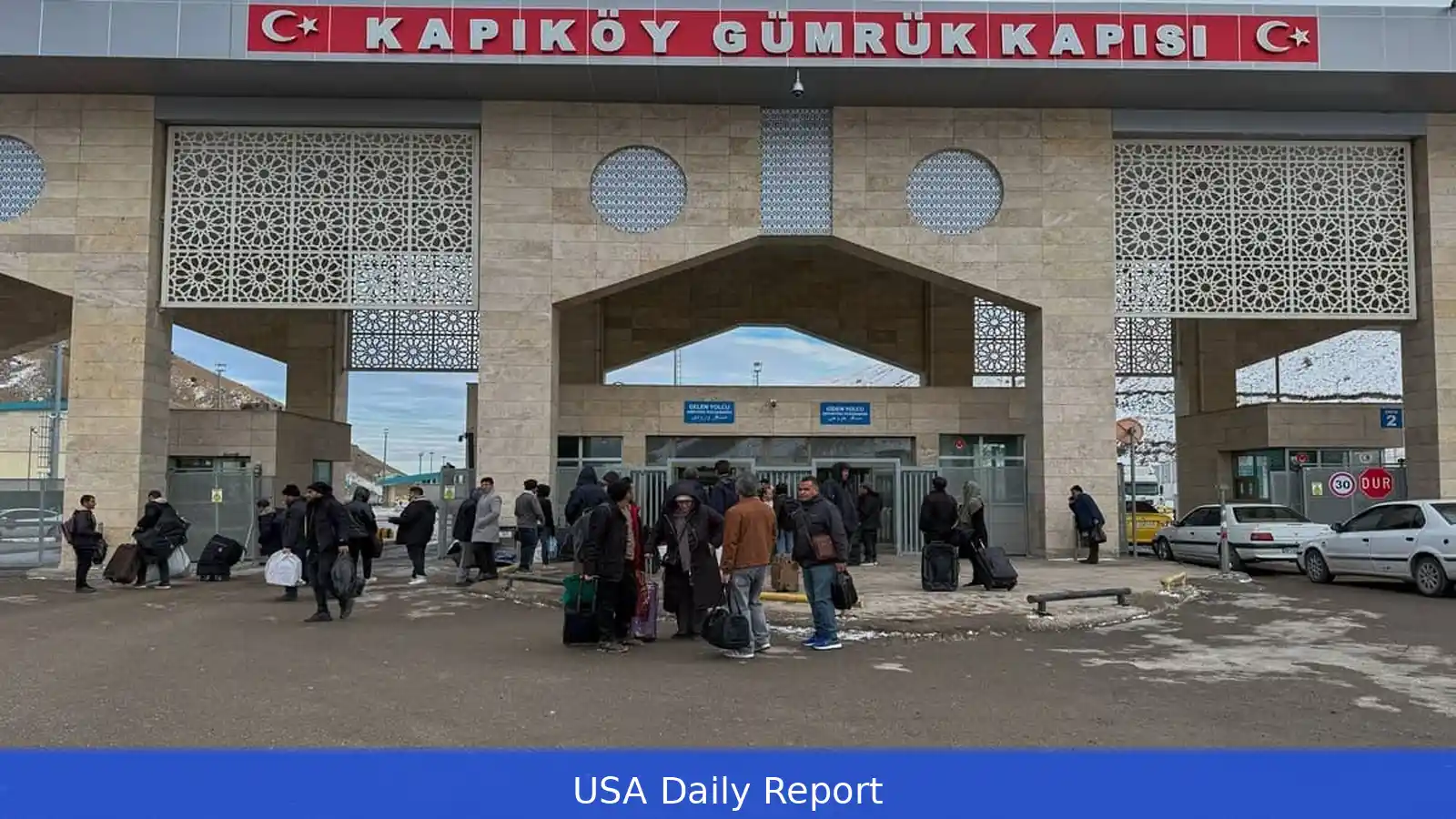
People from Tehran and other cities are boarding long buses to eastern Turkey just to find Wi‑Fi so they can make short video calls and check messages. Millions of Iranians have been cut off from the global internet since the start of the war more than a month ago, prompting trips to buy scarce satellite bandwidth or government‑approved SIMs. U.S. officials and rights groups say the blackout complicates independent verification of strikes and human‑rights reporting and risks long‑term damage to Iran’s digital economy.
Border trips for minutes online People from Tehran and other Iranian cities are boarding long buses and trains to reach the frontier with Turkey. In towns like Van, travelers say their first priority after crossing is to find a café or hotel with working Wi‑Fi so they can make short video calls and check messages. Some are only gone for a few hours; others stay overnight and return on the next bus. The trips are costly and tiring and are becoming a recurring routine for those who can afford it. Iran’s government has restricted access to the global internet and left only a handful of phone lines and limited, government‑approved "white SIM" cards functioning, according to interviews with people making the journey and cybersecurity researchers. The move followed a spike in violence tied to daily U.S. and Israeli strikes and has left ordinary Iranians isolated from independent news, social media and many international services. How the shutdown was built The current blackout didn't happen overnight. For more than a decade Iran reshaped its internet architecture so the state can choke off external connections when it chooses. Hesam Nourooz Pour, a researcher at the University of Copenhagen, says Iran routes international traffic through a small number of gateways controlled by state telecommunications bodies. Those concentrated access points act as chokepoints, letting the regime throttle or cut international access while keeping limited domestic services active. That design helps explain why ordinary users feel so abruptly disconnected. When the gateways are closed, most global sites and messaging platforms stop loading. A handful of services — basic phone lines, state‑sanctioned messaging and tightly controlled local content — continue to operate but provide only a narrow window onto what’s happening inside the country. Workarounds, black markets and uneven access Some Iranians are able to buy small blocks of connectivity from an informal market. Common workarounds reported by travelers and researchers include: - Satellite bandwidth (including Starlink) sold at premiums through intermediaries - Foreign SIM cards bought or swapped at border towns - Short‑term access to Wi‑Fi in hotels, cafes and teahouses catering to Iranian visitors Sellers warn connections are often slow and unreliable. Those who can’t pay the premium or travel to the border are left with official channels only. Cross‑border traffic has created a micro‑economy in eastern Turkey, where hotels, restaurants and tea shops report higher demand and sometimes help arrange temporary phone accounts for visitors. The pattern is reshaping movements of people in the region and altering routines for families separated by the blackout. Political and humanitarian effects Restricting internet access is a political tool. Cutting off external information dampens the circulation of independent reporting and makes it harder for citizens to coordinate or express dissent — a tactic used in other countries facing domestic unrest. Iran laid much of the technical groundwork after large street protests more than a decade ago, when social media helped mobilize demonstrators. For families trying to stay in touch, the blackout is more than an inconvenience. Students, workers and relatives abroad report draconian limits on communication. People who cross into Turkey do so mainly to contact loved ones or to access news they can’t get at home.Related Articles
- War on Iran: Words shaping the conflict
- Lufthansa Cuts 20,000 Short‑haul Flights to Save Fuel
- Coffee Rises as Strait of Hormuz Shipping Risks Tighten Supplies
Researchers and travelers say Iran’s routing of international traffic through a handful of state‑controlled gateways lets authorities sever outside connections while keeping some domestic services running, deepening isolation and driving cross‑border travel.
This article was created with AI assistance.


