
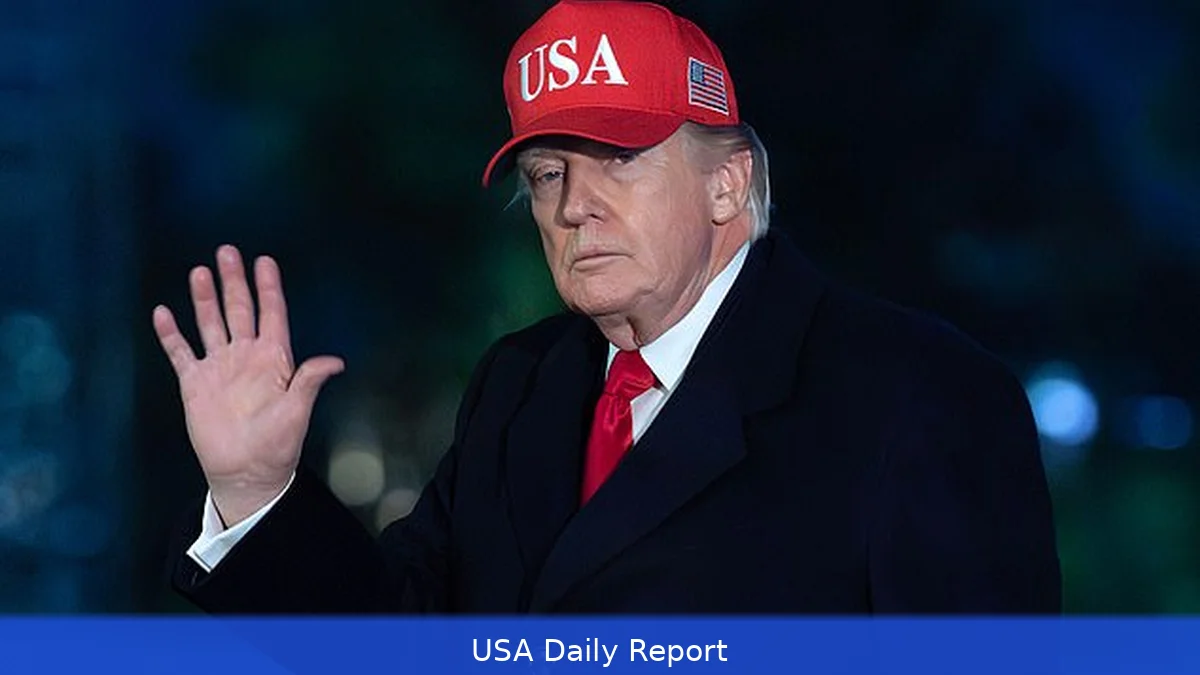
President Donald Trump says the U.S. Will blockade the Strait of Hormuz. Oil prices jumped after talks with Iran faltered, and Hungary's Viktor Orbán lost his reelection bid.
Trump's declaration and immediate fallout
President Donald Trump announced that the United States would impose a blockade on the Strait of Hormuz, escalating tensions in a waterway that connects the Persian Gulf to global shipping lanes. The move came after U.S. Negotiations with Iran failed, and markets reacted quickly: oil prices rose as traders priced in a higher risk of disruption to shipments.
A blockade of the Strait of Hormuz isn’t just a headline—it directly threatens the flow of oil and commercial shipping through that narrow passage.
The White House framed the statement as a measure to secure U.S. Interests and deter what it described as destabilizing Iranian activity. Administration officials said the step was aimed at ensuring freedom of navigation and protecting allied shipping, though they also made clear that military options were on the table.
That announcement caused a diplomatic stir. European allies and Middle Eastern partners suddenly face a new U.S. stance.
Escalation that makes people wonder about international coordination and the potential for unintended confrontations at sea.
Why the Strait matters — and what a blockade would mean
The Strait of Hormuz sits at the mouth of the Persian Gulf and is a key passage for oil and liquefied natural gas shipments from Gulf producers. Disruptions there tend to have outsize effects on global energy markets because ships carrying crude and refined products must pass through the narrow channel.
Even just threatening to close the strait makes traders buy oil as a safety net, which pushes prices up and eventually raises gas costs for drivers.
Industry analysts said a physical blockade would complicate already fragile insurance and shipping arrangements. Carriers avoid areas perceived as high risk, and rerouting around Africa or using alternative pipelines would add time and cost. Insurance premiums for tankers could spike, and shippers would likely pass those extra costs along to buyers.
If tensions last, companies might speed up plans to find new supply routes or boost storage. Governments could use reserves to ease price shocks, but those moves take time while markets react quickly.
Markets reacted: oil and economic implications
Oil prices rose after the blockade announcement and the collapse of talks with Iran. Traders moved to price in a higher likelihood of supply constraints as geopolitical risk climbed.
What that means for the U.S. Economy is layered. Higher crude translates into higher pump prices for consumers and increased costs for businesses that rely on fuel. That hits household budgets and can shave growth by curbing spending on other goods.

At the same time, the U.S. Is now a major oil producer and exporter, so American energy firms could see a revenue boost from higher global prices. Still, the net effect on the broader economy often falls hardest on consumers and industries with thin margins, like transportation and chemicals.
Financial markets tend to hate uncertainty. Stocks in energy companies may rally, but insurers, shippers and firms exposed to higher input costs can lose ground. The result: a volatile mix for investors assessing both geopolitical risk and corporate earnings.
Diplomatic stakes and military risk
U.S. Officials framed the blockade as a last-resort tool to prevent Iranian interference with shipping. But naval blockades carry military and legal risks. They raise questions under international law about freedom of navigation and could harden Tehran's response.
For regional partners — including Gulf monarchies and European states — cooperation with a blockade would involve political choices. Some may welcome tighter security if they perceive an Iranian threat. Others will worry about getting dragged into a wider confrontation.
And there's the operational side. Sustaining a maritime blockade requires ships, logistics and rules of engagement. That puts more U.S. Naval assets on continuous patrol and increases the chance of dangerous encounters at sea.
Hungary's vote and regional fallout
Meanwhile in Europe, Viktor Orbán lost his reelection bid, ending years of his government’s dominance in Hungarian politics. Orbán's tenure had been marked by a confrontational posture toward EU institutions and a tilt toward conservative, nationalist policies.
His defeat signals a shift in Budapest's domestic politics and could alter Hungary's stance within the European Union. Brussels officials and capitals across Europe will be watching to see whether the new government reengages differently with EU mechanisms and moves away from policies that had strained relations with Brussels.
For Washington, the change in Budapest potentially opens the door to closer alignment with EU partners on issues ranging from sanctions policy to regional security. That said, the immediate consequences will depend on who forms the next government and how quickly they act.
How these stories link back to U.S. Interests
The three developments — a U.S. Blockade threat, higher oil prices after failed talks with Iran, and Orbán's electoral loss — converge around U.S. Strategic concerns: energy stability, alliance cohesion and geopolitical risk management.
Higher oil prices hit Americans where it counts—at the pump and in their wallets—making it tougher for the Federal Reserve to keep inflation under control.
On security, a U.S.-led blockade would test American naval endurance and diplomatic bandwidth. It would also force Congress to weigh in on potential military commitments and funding, while giving foreign partners a decision to make about support and burden-sharing.
Finally, political shifts in Europe matter because allies matter. A post-Orbán Hungary that leans back toward Brussels could make it easier for the U.S. To coordinate pressure on Tehran or to craft shared approaches to regional security. Alternatively, a fragmented European response would leave the U.S. Bearing more of the burden.
Short-term outlook and practical steps
In the days ahead, markets will watch shipping reports, insurance notices and statements from both Tehran and Washington for signs of escalation or de-escalation. Energy traders will continue to price in risk, and policymakers will be under pressure to indicate contingency plans to calm markets.
U.S. Officials said they'd pursue diplomatic channels even as they prepared military options, but it remains unclear how far Washington will push and how quickly allies will follow. That uncertainty is what markets don't like.
Look for federal agencies to monitor fuel supplies and for regulators to keep an eye on market volatility. In the private sector, companies exposed to fuel costs will likely accelerate hedging or seek alternative logistics to limit exposure.
Thing is, a single headline — a blockade — can ripple into household budgets, global trade flows and alliance politics. The next moves from Tehran, Washington and Brussels will matter a lot.
Related Articles
- Iran Offers to Reopen Strait of Hormuz if U.S. Lifts Blockade; Washington Skeptical
- Oil tops $100 after Strait of Hormuz halt; JPMorgan warns of inflation, rate risk
- U.N.: U.S.–Israel war on Iran could push 32.5 million into poverty
President Donald Trump said the U.S. Will blockade the Strait of Hormuz.
This article was created with AI assistance.


