
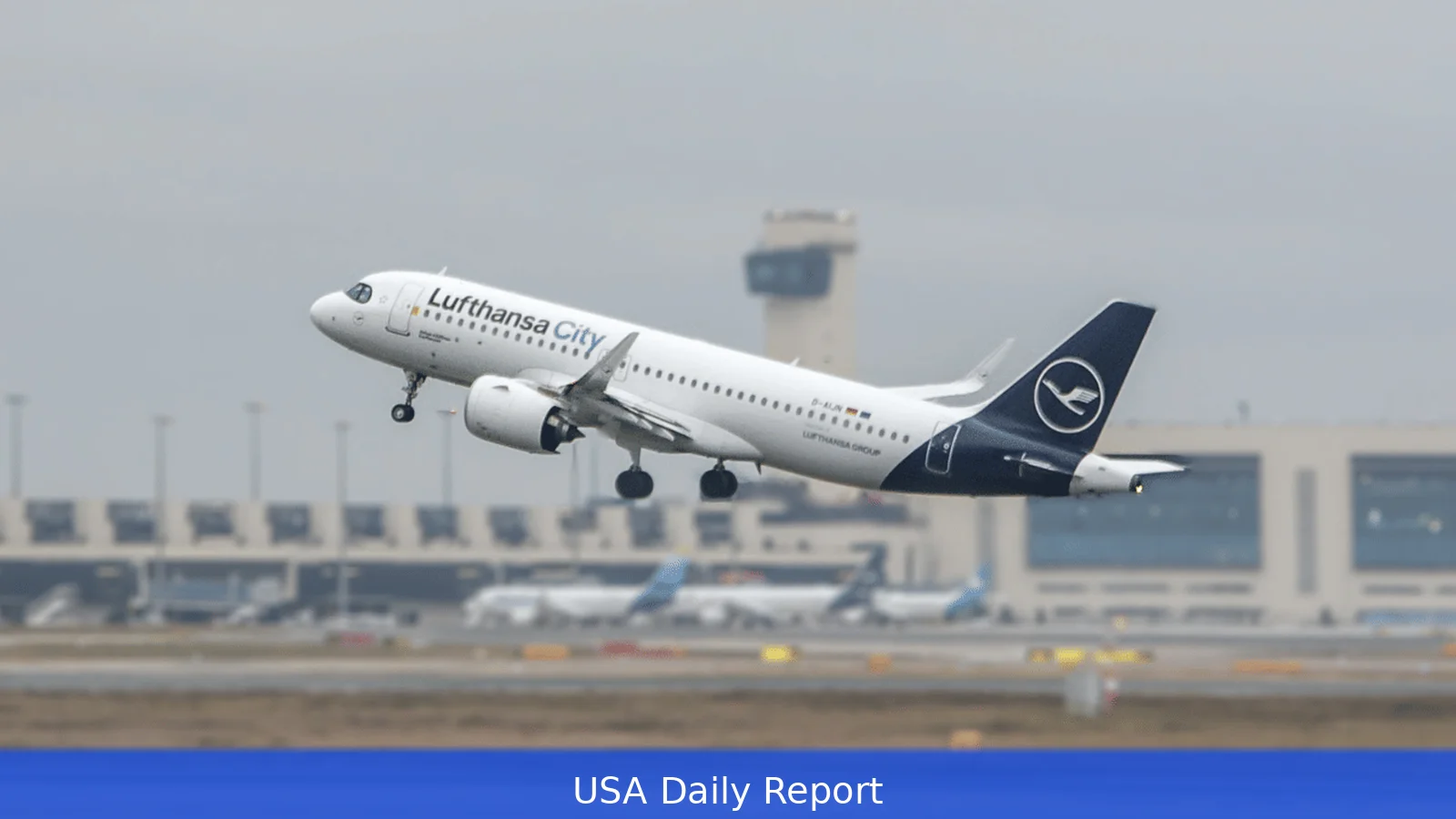
Lufthansa is cutting about 20,000 short‑haul flights from its European summer schedule through October 2026. The Group says the move will save roughly 40,000 metric tons of jet fuel while trimming under 1% of its available seat‑kilometers.
What Lufthansa is doing Lufthansa Group said the capacity adjustments target uneconomic short‑haul flights at its two largest hubs, Frankfurt and Munich, while expanding capacity at Zurich, Vienna and Brussels to keep the wider network intact. The group plans to publish medium‑term route planning for the rest of the summer scheduling season in late April or early May. Key near‑term actions: - The first wave of cuts took effect April 20, 2026, when Lufthansa removed about 120 daily flights from the schedule through the end of May. - Passengers on affected services have been notified; some routes are being consolidated through other hubs. - Lufthansa temporarily suspended services to three destinations from Frankfurt — Bydgoszcz and Rzeszów in Poland, and Stavanger in Norway — and will re‑route some traffic via Zurich, Vienna, Brussels or Rome. Lufthansa said jet‑fuel expenses have doubled since the outbreak of hostilities in late February 2026, and the adjustments will save about 40,000 metric tons of jet fuel. The reduction represents under 1% of the group’s total available seat‑kilometers for the year and is meant to shore up margins on thin short‑haul routes. How fuel costs jumped European jet‑fuel and crude markets tightened sharply after the outbreak of hostilities in late February 2026, with damage to shipping routes through the Strait of Hormuz and reduced refining output in the Gulf. Aerotime reported European jet fuel reaching roughly $1,840 per metric ton in early April 2026. Other energy‑price measures show crude moving from roughly $85–$90 a barrel before the fighting to a range of $150–$200 a barrel in recent weeks, according to market trackers cited by industry sources. Lufthansa entered the crisis with a large portion of its fuel needs hedged at pre‑conflict prices but has paused new hedging since hostilities began, leaving it exposed for unhedged volumes and to widening refining margins. Industry reaction and capacity pullbacks The cuts mirror moves across the sector. Analytics firm Cirium Ltd. compiled data showing global airline capacity for May was down by about three percentage points and that nearly all of the 20 largest carriers were trimming services. Cirium said it had revised earlier forecasts: instead of 4%–6% growth this year, the industry could see no growth or a modest decline under certain scenarios. Several carriers have announced route reductions, surcharges or price increases to cope with the jump in fuel costs. Air France‑KLM plans higher long‑haul fares and KLM has flagged intra‑Europe cancellations. Other groups have implemented distance‑based surcharges or cut specific flights on tight routes; one North American carrier trimmed four daily services to New York’s JFK. The European Commission proposed measures called AccelerateEU to help manage energy‑market strains, including steps to optimise jet‑fuel distribution across member states to avoid localized shortages. For Lufthansa specifically, these fuel‑driven measures build on recent cost moves: the group has accelerated fleet modernization in some areas, grounded older, less fuel‑efficient aircraft, and consolidated short‑haul flying inside lower‑cost units to improve efficiency and margins.Related Articles
- Coffee Rises as Strait of Hormuz Shipping Risks Tighten Supplies
- Tehran’s preconditions stall Islamabad talks, rattle emerging markets
- Iran layoffs climb as conflict with US, Israel hits economy
Lufthansa said the 20,000‑flight reduction will save around 40,000 metric tons of jet fuel. The group plans to publish medium‑term route planning for the rest of the summer season in late April or early May.
This article was created with AI assistance.


