
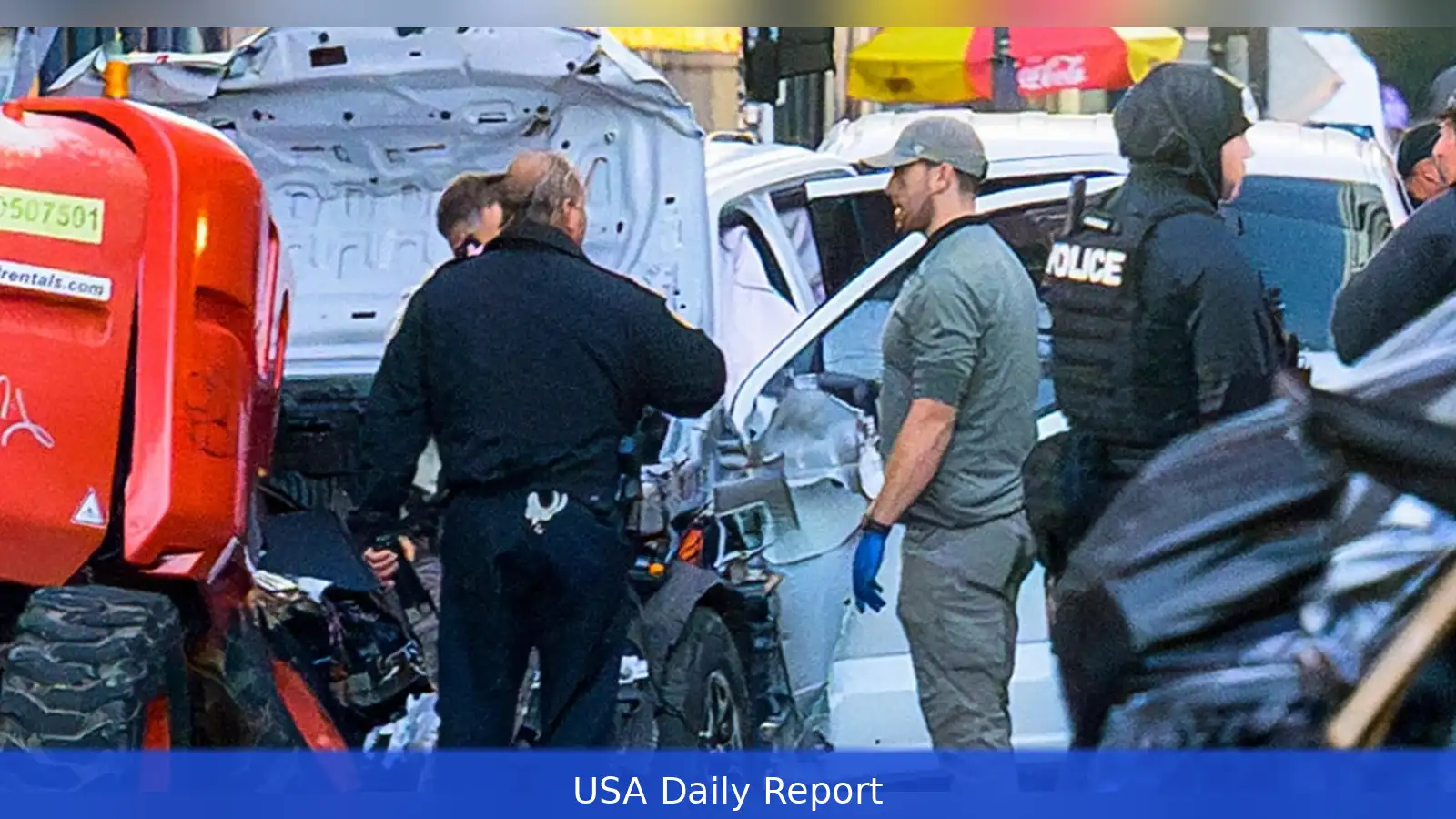
Investigators say the person who attacked a pre‑Hispanic pyramid in the State of Mexico acted alone, with no sign of help from organized crime, Attorney‑General José Luis Cervantes Martínez said. The incident has prompted fresh scrutiny of archaeological‑site security and raised questions about travel advisories, cross‑border cooperation and tourism impacts.
What prosecutors have said José Luis Cervantes Martínez, Attorney‑General of the State of Mexico, told reporters investigators have found no evidence the attacker had outside help or that anyone else took part. Forensic work and witness interviews led authorities to conclude the act was planned and carried out by a single individual. Early speculation among some local residents and on social media suggested organized crime groups might be involved; Cervantes Martínez’s remarks drew a clear line between that speculation and investigators’ findings so far. State prosecutors are continuing forensic analysis and interviews. Cervantes Martínez said legal proceedings will move forward against the individual identified as responsible while investigators document motive and method. Court filings and formal charges had not been released publicly at the time of his statement. Security at cultural sites Mexico’s ancient pyramids and archaeological complexes are high‑traffic tourist destinations, symbols of national heritage and sources of local income. The attack has reignited debate over security arrangements at those sites — who guards them, what training they receive and how quickly police can respond. Responsibility for protection is fragmented across local police, state authorities and national heritage bodies, complicating rapid response and long‑term planning. Officials and local leaders have discussed several areas for improvement: - investments in surveillance and monitoring - placing trained security personnel at vulnerable sites - better coordination between site managers and different law‑enforcement agencies The incident has added urgency to those conversations, and leaders have promised reviews of protocols and funding needs. Political fallout inside Mexico Political actors seized on the attack to question public‑safety policies. Opposition politicians used the event to highlight gaps in state government management, while some local officials pointed to the single‑actor finding as proof the risk did not stem from broader criminal networks. Public concern over safety can shape municipal and state budgets, diverting money to policing and away from other projects. It also feeds national debates about whether Mexico should prioritize responses to organized crime, expand mental‑health interventions, or strengthen protection of cultural assets. How this touches the United States American tourists make up a large share of visitors to Mexico’s archaeological sites, so perceptions of higher risk can depress bookings and hit local service industries that depend on cross‑border tourism. U.S. consular sections routinely monitor incidents affecting citizens abroad. After high‑profile attacks, the State Department reviews travel advisories and public‑safety guidance; any change in advisory language could influence traveler behavior and bilateral security cooperation. Officials in both countries say they will follow investigations and protective measures closely.Related Articles
- Iranians Cross into Turkey for Wi‑Fi After Internet Blackout
- War on Iran: Words shaping the conflict
- Lufthansa Cuts 20,000 Short‑haul Flights to Save Fuel
"The aggressor planned and carried out the attack on his own and there's absolutely no indication at this point that he had any external help or that any other individuals were involved in this incident," said José Luis Cervantes Martínez, Attorney‑General of the State of Mexico.
This article was created with AI assistance.


