
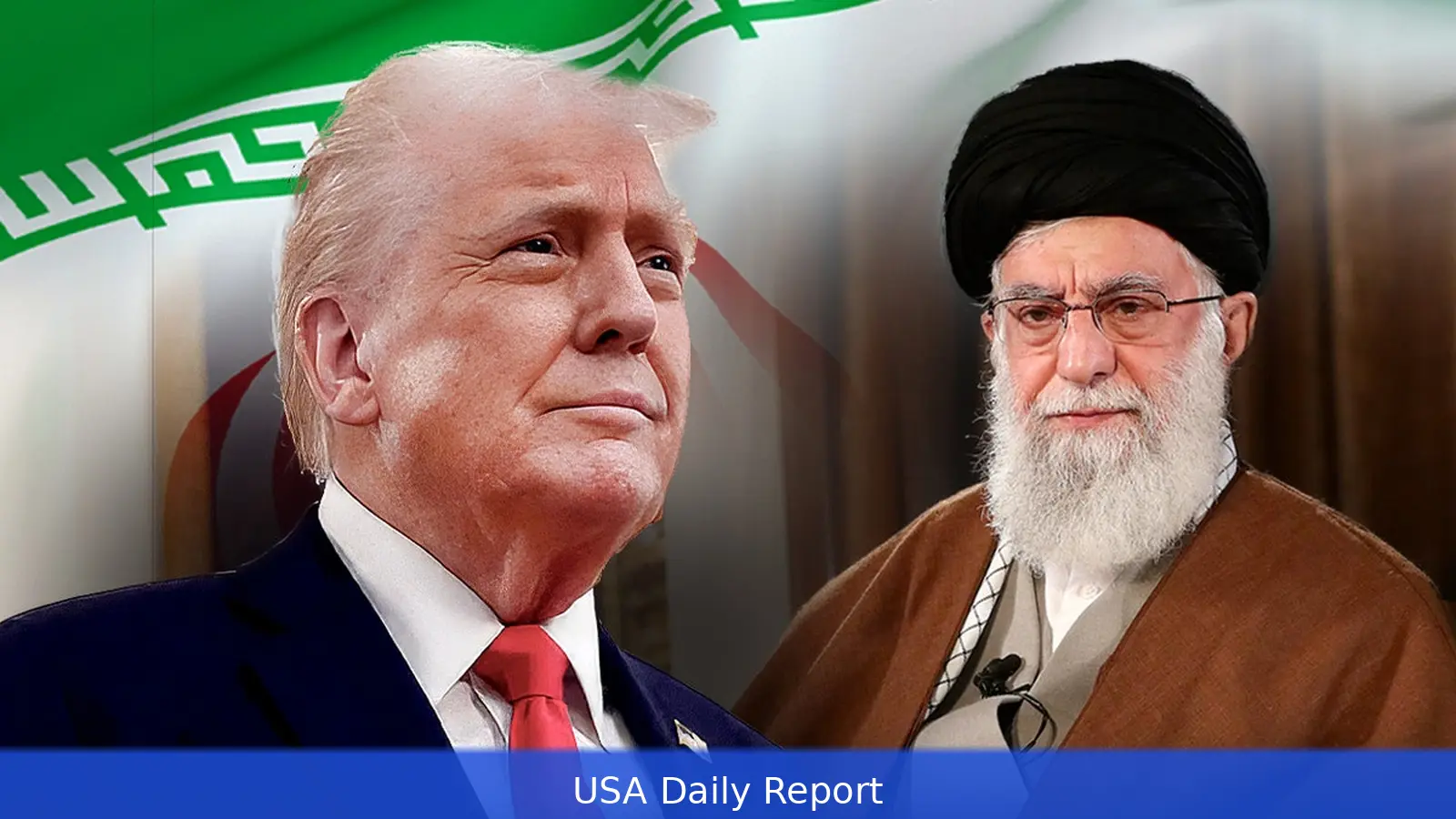
Minutes before President Donald Trump spoke about the Iran conflict, trading records show investors placed multi-million-dollar bets on securities sensitive to geopolitical risk, an analysis by journalist Nick Marsh found.
Spikes in trading before public statements Trading records show clusters of large, high-value trades occurred in the minutes and hours before President Trump made public comments about the Iran conflict. An analysis by journalist Nick Marsh found that, across several occasions during Trump's second term, trade volumes on affected securities jumped shortly ahead of what turned out to be market-moving remarks. Those surges weren't small. Marsh's review highlighted bets worth millions of dollars placed before the announcements, and the timing was tight—sometimes only minutes before a public statement hit the news feeds. The trades concentrated in stocks and derivatives most sensitive to geopolitical risk, according to the data examined. Market participants and regulators normally expect public officials to avoid selectively disclosing information that could affect asset prices. But when big positions appear to be placed immediately before high-impact statements, questions follow about whether the trades were based on information not yet available to the wider market. How analysts identified the pattern - Marsh matched transaction timestamps to the times of presidential remarks. - The analysis focused on changes in volume and order size rather than tracing individual accounts. - Multiple episodes showed spikes in trading activity occurring shortly before market-moving statements. Why timing matters The core concern is fairness: when traders act on information before it becomes public, some actors gain at the expense of others. In the U.S., trading on material nonpublic information can trigger enforcement action if investigators can show that people received and acted on secret information. If a trader consistently places large bets just before statements that move markets, investigators would ask whether that trader had access to privileged knowledge about what the president would say, and when. Legal standards and enforcement - U.S. law forbids trading on material nonpublic information, whether the tip comes from corporate insiders, government officials, or other sources. - Proving a violation typically requires linking the trade to undisclosed information and showing intent, often using communications records, testimony and suspicious timing. - The pattern identified by Marsh—repeated spikes before public remarks—is the sort of evidence regulators would examine when deciding whether to open a formal inquiry.Related Articles
- Gold steadies as U.S.-Iran talks weigh on demand
- Iowa City Ped Mall Shooting Injures Three Students
- Teddy Afro’s new song draws millions and takes aim at government
Marsh's analysis identified several multi-million-dollar trades placed minutes before Trump's market-moving Iran remarks — a timing pattern regulators would likely scrutinize for possible insider trading.
This article was created with AI assistance.


