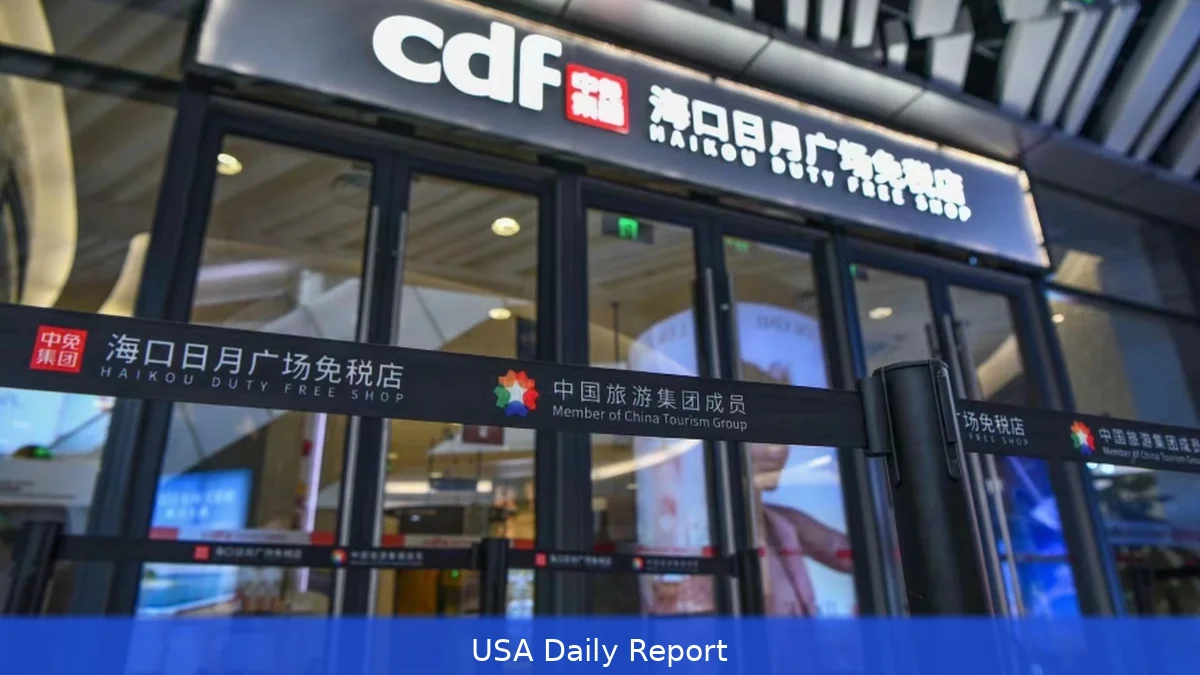
CTG Duty Free’s shares have taken a hit, dropping nearly 40% this year as the company wrestles with falling profits and changing consumer tastes. The latest drama? A fierce bidding war against one of its own subsidiaries for prime airport retail space in Shanghai.
Internal Turf War Highlights Broader Struggles
CTG Duty Free recently edged out its own subsidiary, Sunrise, in a high-stakes contest for operating licenses at Shanghai’s major airports. Sunrise submitted a bid, but CTG stepped in and withdrew it on their behalf, which led to the disqualification. In the end, CTG claimed the contract solo, booting Sunrise from its longtime spots at Pudong and Hongqiao airports.
But the internal rivalry is more than just a power play. It sheds light on the headache facing China’s dominant duty-free operator. CTG holds nearly 80% of the domestic market, thanks to state backing and rules that limit foreign competition. Yet, even with a near monopoly, the company has struggled to keep up with shifting market trends and a sluggish economy.
Revenue and Profit Headwinds
Since the pandemic, CTG’s fortunes have dipped sharply. In 2024, the company’s revenue fell 16% to 56.5 billion yuan, or about $8 billion. Meanwhile, net profit plunged by 36% to 4.32 billion yuan, marking the steepest decline in recent years. Revenue kept falling in the first nine months of this year, dropping 7.34% to 39.9 billion yuan, while net profit fell 22% to 3 billion yuan.
This downturn contrasts with the global duty-free market, which is gradually bouncing back. Worldwide sales grew 3% last year, reaching $74.1 billion, driven by renewed travel and consumer spending post-pandemic. But CTG's home turf has failed to keep pace.
Changing Consumer Tastes and Market Challenges
There are a few reasons behind this. Chinese travelers, who fueled CTG’s growth in the past, remain cautious about spending on luxury foreign goods like high-end cosmetics, liquor, and fashion. Instead, shoppers are turning to domestic brands that better reflect local trends.
Also, shoppers now want more than products; they’re looking for engaging, in-person experiences.
CTG’s heavy reliance on pricey foreign products has hurt its appeal. While the company dominates through sheer scale with 200 retail outlets, it hasn’t adapted quickly enough to these consumer shifts. The rise of trendy domestic brands is slicing into CTG's market share, and the company’s focus on traditional duty-free items seems increasingly out of step.
Strategies to Win Back Investors
To tackle these issues, CTG has tried to reassure shareholders. In October, it announced its first-ever interim dividend — a signal that it’s confident enough to share profits with investors mid-year. The company also approved a share repurchase program, aiming to boost its stock price and signal faith in its long-term value.
But these efforts may fall short. CTG is almost entirely focused on China, with only a handful of outlets in Hong Kong, Macao, Tokyo, Singapore, and Sri Lanka.
Its heavy concentration in one market exposes it to local economic swings and consumer trends. As China’s economy slows and tourism growth falters post-pandemic, CTG’s revenue streams remain under pressure.
Its tough tactics, such as sidelining its own subsidiary, show deeper frustrations. CTG seems set on keeping its lead, but it will need more than internal moves to succeed.
As revenue and profits keep falling and consumer tastes change fast, CTG Duty Free’s next steps matter a lot. Will it manage to reinvent itself and win shoppers back? Or is the recent 39% stock drop just the beginning of tougher times?


