Oil prices have surged past $100 a barrel, rattling markets and fueling fears of a prolonged global economic slowdown. The war in Iran, now over a month old, is shaking energy supplies and pushing developing nations to ration fuel and subsidize costs for their poorest citizens.
Energy Infrastructure Under Siege
The ongoing conflict between the U.S., Israel, and Iran has targeted key Persian Gulf oil and gas facilities, sparking fears that the economic fallout could last for years. Iran’s missile and drone strikes have hit pipelines, refineries, and tanker terminals, disrupting global energy flows. Qatar’s Ras Laffan natural gas terminal, a vital source producing 20% of the world’s liquefied natural gas, suffered a major blow on March 18. The strike knocked out nearly one-fifth of Qatar’s LNG export capacity, with repairs expected to take up to five years.
That attack alone shows how deeply intertwined the war is with global energy markets. The Persian Gulf region is critical not just for oil but also for key fertilizer exports, including urea and ammonia, which rely on natural gas feedstock abundant in the region. Farmers around the world could soon feel the pinch as fertilizer prices rise amid shortages.
Oil Shock Reverberates Worldwide
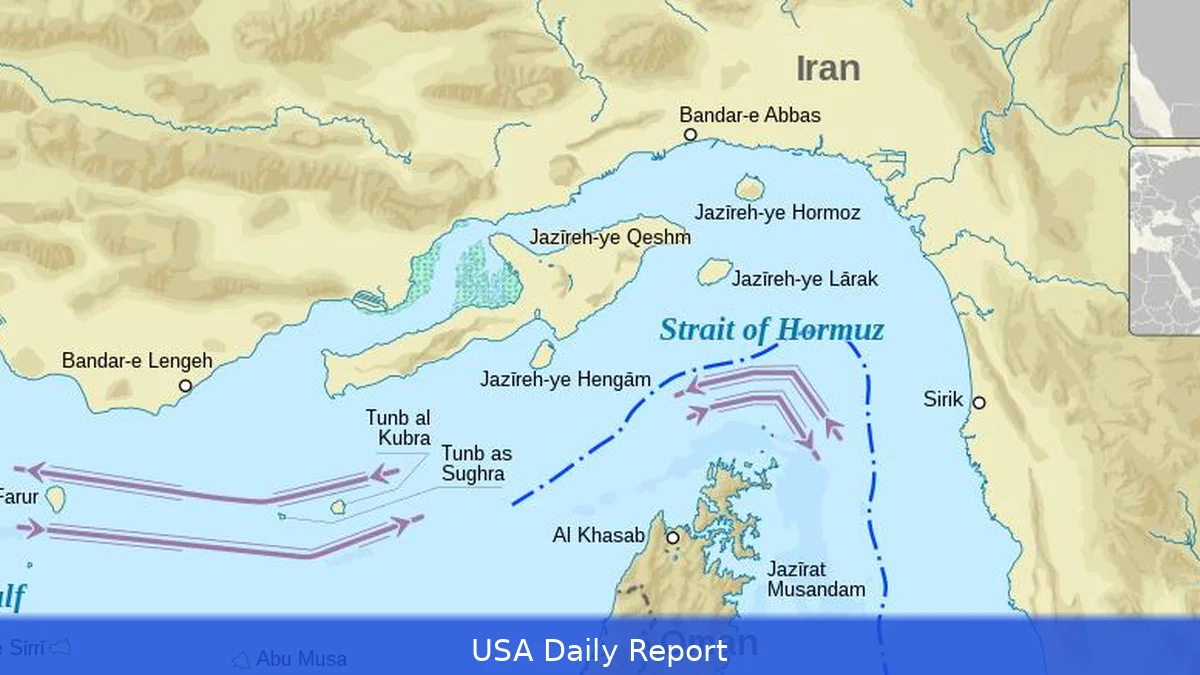
The Strait of Hormuz, a narrow waterway through which about 20% of the world’s oil passes, has effectively been shut down by Iranian actions. Tankers face threats trying to navigate the route, forcing Gulf producers like Kuwait and Iraq to cut output. The International Energy Agency says this represents the largest disruption of oil supply in history, with an estimated 20 million barrels a day taken off the market.
Brent crude prices jumped to more than $105 a barrel last week, up from around $70 before the conflict erupted. U.S.
Crude futures closed near $100 per barrel. Those price moves are shaking the global economy in a way not seen since the oil shocks of the 1970s, when soaring energy costs triggered stagflation — a dangerous mix of rising inflation and stagnant growth.
Christopher Knittel, an energy economist at MIT, noted that while early hopes suggested the war's economic damage might be short-lived, the destruction of infrastructure means the fallout could be long-lasting, dragging on for months or even years.
Economic Growth and Inflation Worries Mount
Before the conflict, the global economy was forecast to grow about 3.3% in 2026. Now, economists expect growth to slow by up to 0.4 percentage points if oil prices hold near $85 a barrel.
That may not sound huge, but it’s a big hit for an already fragile recovery.
Harvard economist Carmen Reinhart warned that higher energy prices risk triggering both higher inflation and slower growth — a tough combination for policymakers to handle. Consumers in many countries are already feeling the squeeze as gas prices climb. In the U.S., many Republicans express concern about affording fuel, even as they largely support President Trump’s handling of the Iran situation. But the rising cost of living could complicate political dynamics ahead of the midterm elections.
U.S. Military Buildup and Rising Casualties
On the ground, the conflict shows no sign of easing. The U.S. Has increased its military presence in the Middle East, deploying thousands of Marines aboard the USS Tripoli and other vessels. The Pentagon reports more than 300 American troops wounded since the start of the war, including over two dozen injured in recent missile and drone strikes on Saudi Arabia’s Prince Sultan air base.
Those attacks have made clear that the conflict is expanding and that U.S. Forces remain at risk. Secretary of State Marco Rubio insists that the U.S. Can meet its goals without deploying ground troops but acknowledges that the military must be ready for multiple scenarios. The growing casualty list and intensified strikes add uncertainty to how long the war might last and how deeply it will affect the global economy.
The destruction of energy infrastructure and rising oil prices are fueling fears that the Iran conflict could trigger long-term economic pain worldwide. With global growth slowing and inflation pressures mounting, how governments and markets adapt over the next few months will shape the outlook for years to come.


