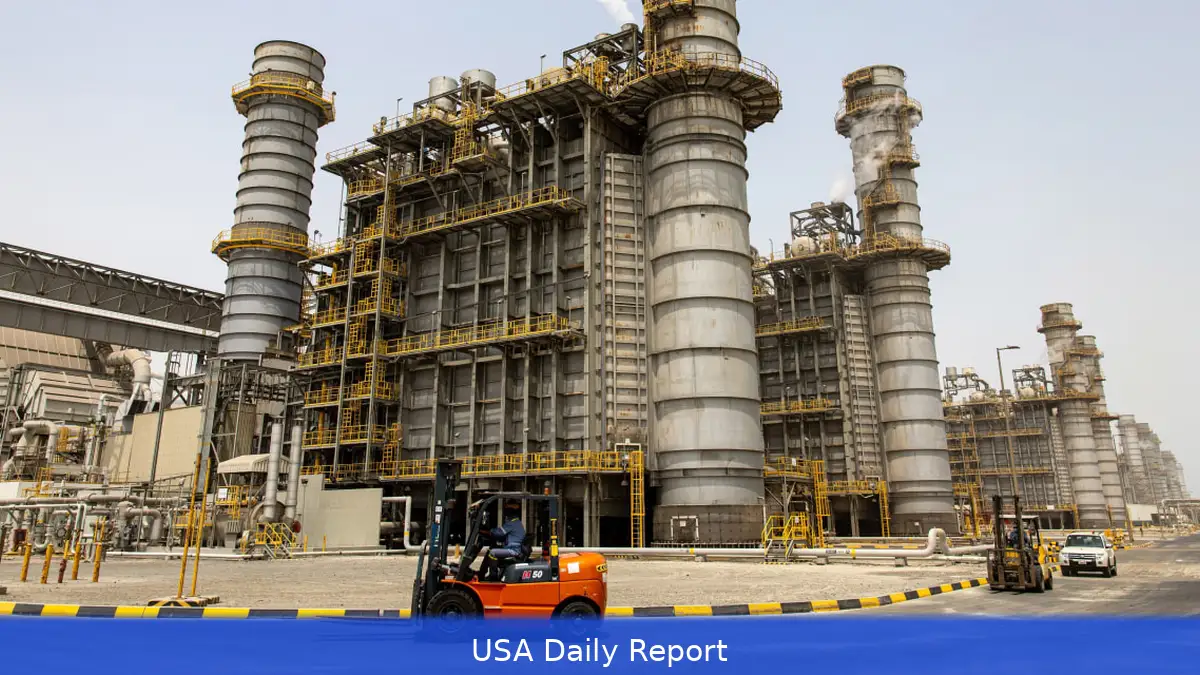
An aluminum smelting plant in the Middle East reportedly faced missile strikes, causing serious damage and disrupting production. This damage could disrupt aluminum supply in the region and unsettle markets already on edge due to political tensions.
Smelter Damage Raises Production Concerns
One of the region’s largest aluminum producers confirmed that its primary smelting facility sustained significant damage from recent Iranian missile attacks. The plant, a critical hub for aluminum production, saw key infrastructure affected, leading to a sharp halt in output. The exact scale of the damage remains unclear, but industry insiders warn of a prolonged recovery period.
Aluminum smelting needs continuous energy, so even brief stops can shake up the supply chain and push prices around. The affected plant has been a backbone of the Middle East’s aluminum exports, feeding markets both locally and overseas. Disruptions here could tighten supply in already volatile global markets.
Wider Impact on Aluminum Supply and Markets
Over the last ten years, Middle Eastern aluminum producers have gained ground, taking market share from older competitors. The region’s strategic geographic position and access to low-cost energy have made it a competitive force. Damage to a key facility like this casts a shadow over the sector’s stability.
Aluminum prices have already experienced bouts of volatility amid global economic uncertainty. The smelter’s damage could push prices higher while buyers scramble to secure alternative sources. Industries dependent on aluminum—from automotive to construction—could feel the impact through higher costs and delayed projects.
Geopolitical Tensions Fuel Industry Risks
These attacks highlight the dangers companies face when working in unstable political areas. Tensions between Iran and neighboring countries have escalated recently, with military strikes targeting strategic economic assets.
The aluminum producer’s smelter is just one example of critical infrastructure caught in the crossfire.
Investors in the region may grow wary of further instability affecting key industrial sectors. Insurance premiums for assets in conflict-prone areas could rise, and companies might rethink investment plans.
The ripple effects extend beyond aluminum—energy, shipping, and manufacturing sectors all face threats from ongoing hostilities.
Potential Recovery and Industry Outlook
Fixing smelting plants can take a long time—sometimes months or even years—depending on how bad the damage is. The producer’s management has yet to provide a detailed timeline for restoration. Market watchers will closely monitor how quickly production can resume and what interim measures might be taken to offset supply gaps.
Luckily, the aluminum industry here benefits from strong infrastructure and solid government support. If stability returns, rebuilding efforts could accelerate. Still, the incident highlights how fragile supply chains are in conflict zones and makes people wonder about long-term resilience.
While the top aluminum producer in the Middle East checks the damage, global markets are getting ready for a possible shortage. The incident is a stark reminder of how geopolitical conflicts can disrupt critical industries and reshape trade flows.


