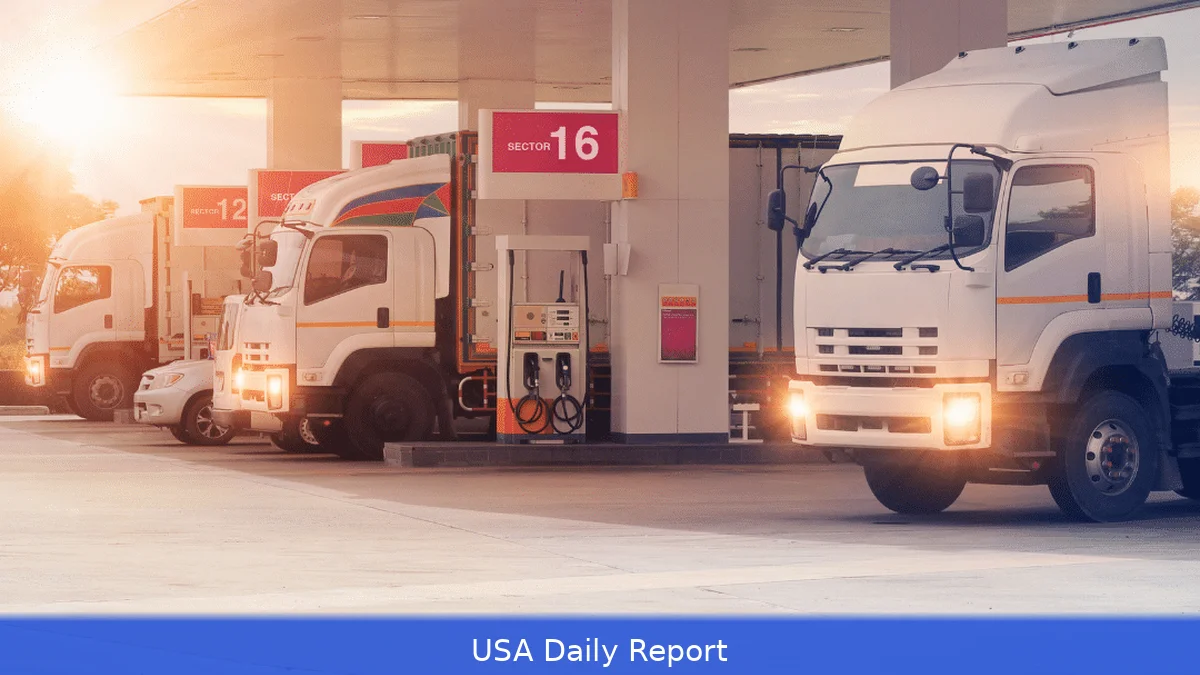
Australia recently slashed its fuel tax to ease the pinch on drivers. But don’t expect immediate relief at the gas station. The cut’s impact on prices at the pump will take time to trickle down to consumers.
Fuel Tax Cut Aims to Curb Rising Costs
In a bid to combat soaring fuel prices, the Australian government announced a temporary cut in fuel excise taxes. The move is designed to lower petrol and diesel costs, which have been climbing steadily amid global supply disruptions and increased demand. Fuel excise taxes in Australia add a big amount to the price per liter, so cutting them should, in theory, translate into cheaper fuel for motorists.
But the reality is more complicated. Retail fuel prices don’t shift instantly with tax changes. Several layers of distribution and pricing mechanics mean consumers may not see a corresponding drop right away. Industry experts warn that the benefits of the tax cut will likely be delayed, blunting its immediate effect on household budgets and business operating costs.
Why Drivers May Wait Weeks for Relief
Fuel retailers typically buy their supply in bulk, locking in prices days or weeks ahead. So, even after a tax cut, stations might still sell fuel bought at higher costs before the tax cut took effect. This lag means prices at the pump could remain elevated despite the tax reduction.
Plus, other factors influence retail prices: wholesale market fluctuations, transportation costs, and regional competition. If global oil prices stay high, the tax cut’s impact gets diluted. And some retailers might choose to keep prices steady to maintain margins during uncertain times.
Government Sees Tax Cut as Short-Term Relief
Officials emphasize the tax cut is a temporary measure to ease pressure on consumers and businesses facing inflationary challenges.
It’s hoped the cut will provide some breathing room for Australians struggling with rising living costs, especially in transport and logistics sectors.
Still, economists caution that the cut alone won’t solve the broader inflation problem. Fuel prices are influenced by global markets, geopolitical tensions, and supply chain constraints. The tax relief helps but won’t fully offset these forces.
Looking Ahead: What Drivers Should Expect
Consumers should watch fuel prices over the coming weeks. As suppliers adjust inventories and costs normalize, station prices may start reflecting the tax cut. But the timing and scale of any price drop remain uncertain.
Meanwhile, motorists may want to consider fuel-saving measures: carpooling, using public transport, or driving more efficiently. For businesses, planning fuel budgets cautiously will be key until prices stabilize.
Australia’s fuel tax cut is a welcome step, but it won’t be a quick fix. Drivers will need patience as the effects gradually reach the pump.


