
The Federal Reserve’s March meeting minutes reveal a clear divide among policymakers over how the escalating war in the Middle East could shape inflation and interest rate decisions. With oil prices surging and economic risks mounting, the Fed is caught between tightening and easing bets.
Inflation and the Iran War: A Tug of War
Oil prices jumped about 50% during the weeks leading up to the Federal Open Market Committee’s March 17-18 meeting, pushing crude above $108 a barrel. The conflict disrupting the Strait of Hormuz sent shockwaves through energy markets, stoking fears that inflation could remain stubbornly high. Yet the Fed’s minutes show that officials are far from united on the policy response.
Some members warned that sustained oil price pressure could keep inflation elevated beyond expectations, possibly requiring further rate hikes to pull prices back down. The one-year inflation swap rate climbed nearly 50 basis points during the period, signaling market concerns about near-term price increases. But longer-term inflation expectations barely budged, hinting that investors may see the energy spike as temporary.
That said, still, the minutes reveal a tension: while inflation risks appear tilted upward, the economic fallout from a prolonged Middle East conflict could hit growth and labor markets hard. Several policymakers voiced worries that hiring could slow, household budgets would get squeezed, and global growth might falter.
These developments could justify cutting rates to cushion the economy.
The vote reflected this split: 11 members held rates steady at 3.5% to 3.75%, while one dissenter pushed for a quarter-point cut, citing tight policy hurting jobs.
Fed’s Two-Sided Approach to Rate Policy
The minutes show the Fed’s thinking is changing. Officials increasingly describe their future decisions as "two-sided," acknowledging a real chance that rates could move either way depending on how inflation and growth evolve. Some members even suggested the postmeeting statement emphasize this uncertainty explicitly.
This marks a notable change from earlier in the year, when the Fed seemed more confident about cutting rates as inflation showed signs of easing. Now, with the geopolitical shock unfolding, many officials are pushing back the timing of potential rate reductions, wary that inflation might stick around longer than anticipated.
Still, the bar for hikes remains high. The Fed’s staff projections presented at the meeting showed inflation slightly above the January forecast, driven mainly by higher energy costs. Yet the baseline forecast sees inflation gradually returning to the 2% target over the next few years as energy prices and tariffs ease.
"Most participants judged that upside risks to inflation and downside risks to employment had both increased," the minutes state. This dual concern is shaping a cautious wait-and-see stance, with the Committee preferring to monitor how the conflict’s economic fallout unfolds before making major policy moves.

Market Reaction Reflects Growing Uncertainty
Financial markets have responded to the Fed’s evolving stance and the geopolitical turmoil with shifting expectations.
Futures markets pushed back the anticipated timing of rate cuts, now pricing in the first possible cut only by December rather than earlier in the year. Meanwhile, options markets suggest a roughly 30% chance of a rate hike through early 2027—a big shift from previous expectations.
The U.S. Dollar has weakened amid these developments. The Dollar Index hovers near the 99.00 level after dropping toward its 200-day moving average, reflecting investor caution. Treasury yields have also fallen, hinting at growing worries about economic growth.
"The Fed is holding its ground," said one market analyst, "but the narrative is clearly changing. Rates will probably stay high for a while, but the Committee admits the future path isn’t set. Growth concerns could tip the scales toward cuts if the situation worsens."
Balancing Inflation Target and Labor Market Risks
Policymakers face a delicate balancing act. Inflation has been above the Fed’s 2% target for five straight years, a rare and persistent challenge. At the same time, the labor market shows signs of unevenness, with some indicators suggesting slowing hiring and downward pressure on wages.
Governor Stephen Miran, the lone dissenter in March, argued that the current policy stance was still restrictive and harming employment. Others were more cautious, emphasizing the need to avoid premature easing that could reignite inflation pressures.
The minutes reveal that most officials want more data before making decisive moves. The ongoing conflict’s full economic impact remains unclear, and the Fed aims to avoid overreacting to short-term shocks.
"The Committee is clearly watching the labor market closely," the minutes note. "A prolonged geopolitical shock could weigh on hiring and justify policy easing if downside risks materialize. But the timing and magnitude of such risks remain uncertain."
This uncertainty has led the Fed to communicate more carefully. Instead of a fixed plan, officials are staying flexible—ready to raise rates if inflation spikes or cut them if the economy weakens.
Historical Context: Inflation’s Long Shadow
To put this in perspective, inflation running above target for five years is unusual for the Fed. Traditionally, the central bank aims to keep inflation close to 2%, balancing price stability with maximum employment.
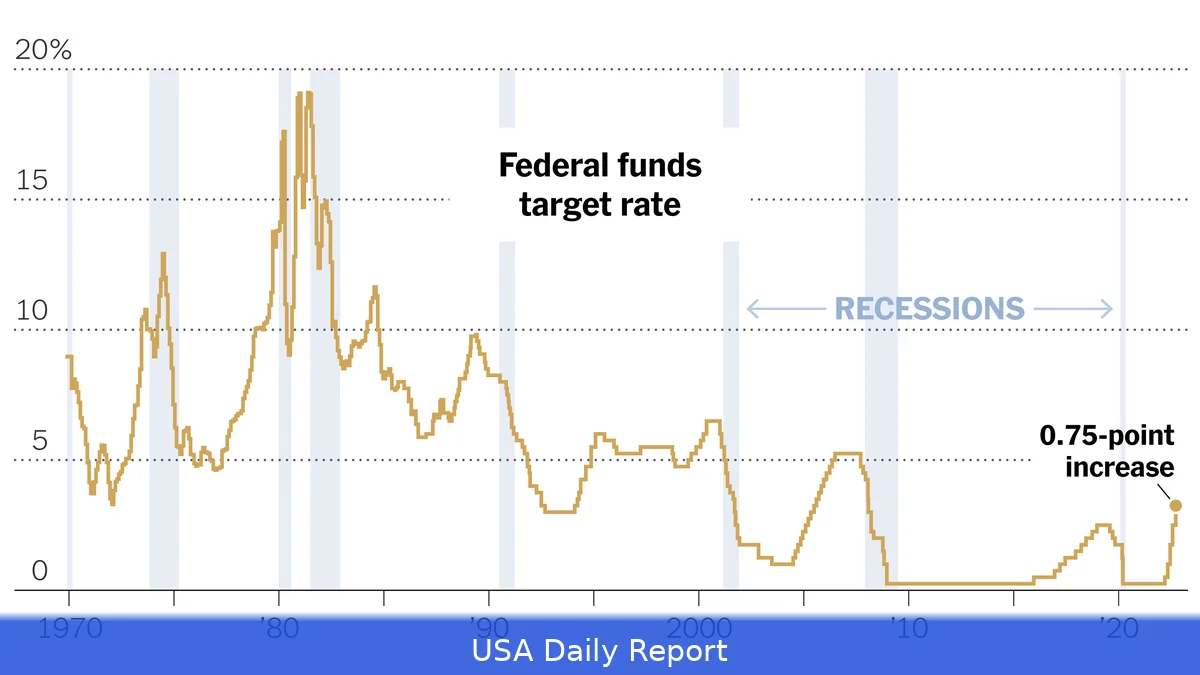
Since the inflation surge following the COVID-19 pandemic and supply chain disruptions, the Fed has raised rates aggressively over the past two years. But stubborn inflation, partly driven by energy and geopolitical shocks, has complicated the picture.
Past episodes of oil price spikes, such as in the 1970s and early 2000s, showed that energy shocks can ripple through consumer prices and economic growth. The Fed’s challenge is to respond firmly enough to anchor inflation expectations without triggering a recession.
That’s why the Committee’s cautious stance and two-sided approach are so critical. They want to avoid repeating past mistakes of overtightening or easing based on incomplete information.
"The Fed’s minutes show a central bank wrestling with complexity," said an economist familiar with the process. "They’re trying to thread a needle between inflation risks and growth concerns amid a major geopolitical event. It’s a tough spot."
Related Articles
- Fed signals patience, projects one cut in 2026
- Three risks that could push the Fed to pause
- Treasury Yields Hold in Narrow Band Ahead of Fed Meeting
The Fed’s March minutes open a rare window into the committee’s debate as it juggles competing risks from war-driven inflation and economic slowdown. With no clear consensus on the direction of future rate moves, markets and policymakers alike will be watching closely for signs of which way the scales tip.
This article was created with AI assistance.


