
Who leads the Fed when a chair’s term lapses? The law is unclear.
What's behind the confrontation
President Donald Trump publicly warned this week that he would remove Federal Reserve Chair Jerome Powell if Powell doesn't vacate the office when his four-year term ends on May 15, 2026. Trump said, "Then I’ll have to fire him," during a televised interview, casting the standoff as a short fuse with wide economic consequences. The statement followed months of public pressure from the White House over Fed policy and a criminal probe into the Federal Reserve’s $2.5 billion headquarters renovation.
The renovation investigation has become a central plank in the administration’s effort to build a legal case for removal. The Justice Department probe was launched after the renovation’s costs grew by roughly 80% over the original budget, according to administration officials. This White House has pointed to that probe as potential grounds for a "for cause" firing under the Federal Reserve Act. The administration named U.S. Attorney Jeanine Pirro to lead the review.
What began as a policy dispute over interest rates has widened into a constitutional and legal confrontation. The Fed has held its policy rate in a 3.5%–3.75% range, a stance policymakers say remains data-dependent. The White House has pushed for sharper rate cuts to lower federal borrowing costs and spur faster growth — a policy preference that Powell and other Federal Open Market Committee members have resisted.
The legal knot at the center
The core legal question is simple to state and hard to answer: when a Fed chair’s statutory term expires and no successor is confirmed, does the incumbent continue to serve?
This Federal Reserve Act provides fixed terms for governors and the chair, but it doesn't clearly spell out who controls the leadership gap if the Senate hasn't confirmed a replacement.
Treasury Secretary Scott Bessent told reporters this week that several people — not only the outgoing chair — could serve as the Fed’s interim leader. He specifically named Vice Chair Philip Jefferson and Governor Christopher Waller as possible alternatives. The White House position signals a willingness to test the bounds of executive authority over an institution that has long claimed operational independence.
Jerome Powell has publicly staked out the opposite position. Powell said he would continue to lead the central bank as "chair pro tempore" if no successor is in place when his term expires.
That stance rests on a claim of continuity: that the presidency of the Board of Governors and the chairmanship carry forward until a successor is qualified. Legal scholars and former officials disagree on the point, and courts have rarely been asked to resolve it.

The dispute makes people wonder about statutory text, the intent of Congress, and precedent. Supporters of the administration argue that the president can appoint an acting leader or remove a chair for cause if evidence warrants. Opponents say that allowing the White House to unilaterally displace a sitting chair would upend long-standing safeguards meant to insulate monetary policy from short-term political pressure.
Nomination, Senate politics and procedure
Complicating the picture is a stalled nomination process. The White House nominated former Fed Governor Kevin Warsh as Powell’s successor, a move officials hoped would reassure markets. Instead, the nomination has met resistance in the Senate. Senator Thom Tillis has led opposition among Republicans who favor institutional norms, producing a deadlocked confirmation calendar.
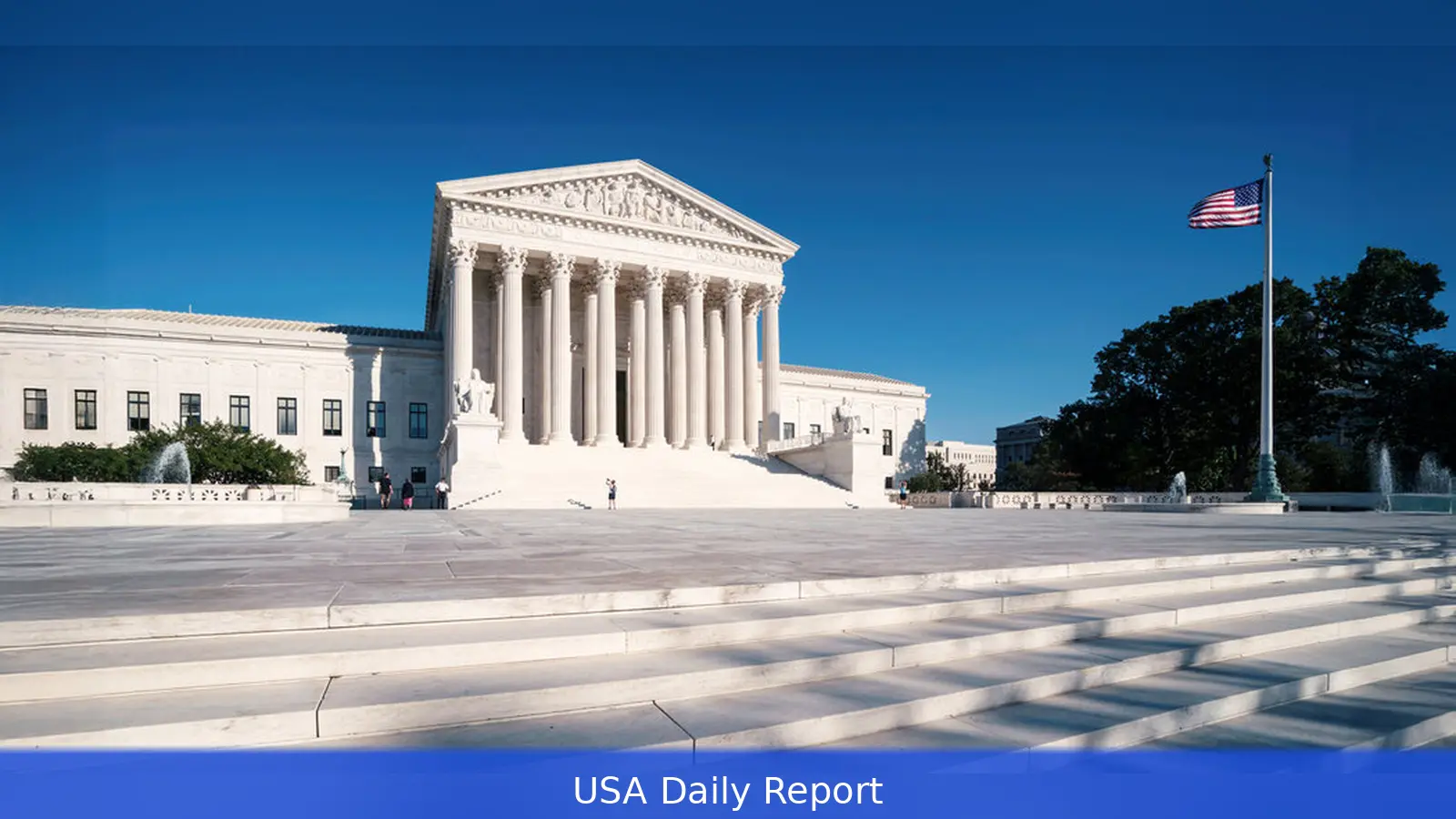
With the Senate unable to confirm Warsh before May 15, champions of the status quo point to the risk of a constitutional test that could end up before the Supreme Court. If the president attempts to remove or replace the chair while the Fed resists, litigation could determine whether the executive branch can reshape central bank leadership by fiat.
The stakes go beyond personnel. Monetary policy depends on perceptions of the Fed’s independence. Market participants have already reacted to the escalation. Global financial markets registered increased volatility after the president’s televised remarks. Foreign central banks have made rare public comments expressing concern about potential politicization of U.S. Monetary policy, according to officials tracking the situation.
Why the administration says removal is justified
The White House frames the case around accountability and alleged mismanagement. Officials cite the renovation’s cost growth and argue that the Fed’s contracting and oversight failures amount to misconduct or negligence. That, they say, could satisfy a "for cause" standard under the Federal Reserve Act if prosecutors uncover criminally actionable conduct.
In public remarks, President Trump described the possibility of removal as a reluctant step, saying he’d preferred not to be "controversial" but felt he had "no choice" given what he called "gross incompetence." The administration has pushed that narrative even as legal advisers map the narrow pathways available under existing statutes.
Powell's defense and the Fed's institutional position
Powell and supporters within the Fed have countered that the renovation overruns were driven by pandemic-era supply constraints, higher construction prices, hazardous material remediation and other legitimate cost drivers. The Fed’s broader argument is procedural: the central bank must be allowed to complete its policy mandate without political interference. Internal Fed votes show Powell’s caution is widely shared; a recent vote to hold rates was reportedly 10–2, indicating broad institutional backing for his approach to inflation and growth trade-offs.
Fed officials also warn that using criminal probes or removal power to influence monetary policy would set a dangerous precedent. That warning isn't just rhetorical. If prosecutions related to administrative acts become a lever for policy change, the line between law enforcement and economic management could blur.
Market risks and the path ahead
Investors now face a range of scenarios. One path is a negotiated settlement: the Senate confirms a successor before May 15 and the confrontation subsides. Another is a legal showdown in which the White House attempts to install an alternative leader or remove the sitting chair, prompting litigation. A third is a quiet administrative compromise that reshuffles responsibilities without a public test of authority.
Each scenario carries market risk. A court fight or an abrupt leadership change could rattle Treasury markets, reset expectations for U.S. Policy credibility, and raise the dollar’s volatility. Policymakers overseas have noted those risks publicly, rare evidence of how closely global partners watch U.S. Institutional tensions.
For now, the calendar is the driver. May 15 is the focal point.
The administration has signaled it may act if the Senate fails to confirm a successor. Powell has signaled he will stay. The court system stands ready in the wings if the two branches collide.
Related Articles
Powell said he would continue leading the Fed as "chair pro tempore" if no successor is confirmed on May 15, 2026.
This article was created with AI assistance.


